 0
0
 0
0
In a significant move to enhance primary healthcare accessibility, the Haryana government has approved a policy allowing qualified doctors to establish nursing homes on residential plots in licensed colonies across the state. Approved by the state cabinet chaired by Chief Minister Nayab Singh Saini on February 2, 2026, the policy addresses critical gaps in neighborhood-level medical services, particularly in rapidly expanding urban residential areas.
Policy Details and Eligibility Criteria
The policy permits nursing homes only on residential plots owned by practicing allopathic or AYUSH doctors registered with the relevant Medical Council or AYUSH Council and their local Indian Medical Association (IMA) branch. Applicants must submit an affidavit verifying these credentials, ensuring only qualified professionals can operate these facilities.
Key spatial norms include a maximum of four nursing homes per sector, located exclusively on service roads along sector or master roads in fully serviced colonies with completion certificates. Minimum plot sizes are set at 350 square yards in hyper and high potential zones, and 250 square yards in medium and low potential zones. On sector-dividing roads, only one site per service road is allowed, capping at four per sector.
Conversion fees are tiered by zone: Rs 10,000 per square yard in hyper zones, Rs 8,000 in high zones, Rs 6,000 in medium zones, and Rs 4,000 in low zones. Notably, no external development charges or other fees apply, making it financially viable for doctors while generating revenue for urban development.
Haryana’s Healthcare Landscape and the Need for Reform
Haryana, with a population exceeding 30 million, faces substantial healthcare infrastructure deficits. As of recent data, the state has around 61,042 hospital beds against a required 135,000 per norms (5 beds per 1,000 population), revealing a gap of nearly 74,000 beds. Diagnostic centers number 572, short of the ideal 2,350 needed (one per 10,000 population).
Manpower shortages exacerbate this: a 42% vacancy in permanent health staff, including doctors and specialists, hampers service delivery across districts. Primary facilities like Community Health Centers (CHCs), Primary Health Centers (PHCs), and sub-centers fall short of Indian Public Health Standards (IPHS) by 7-26%, with uneven distribution leaving rural and peri-urban areas underserved.
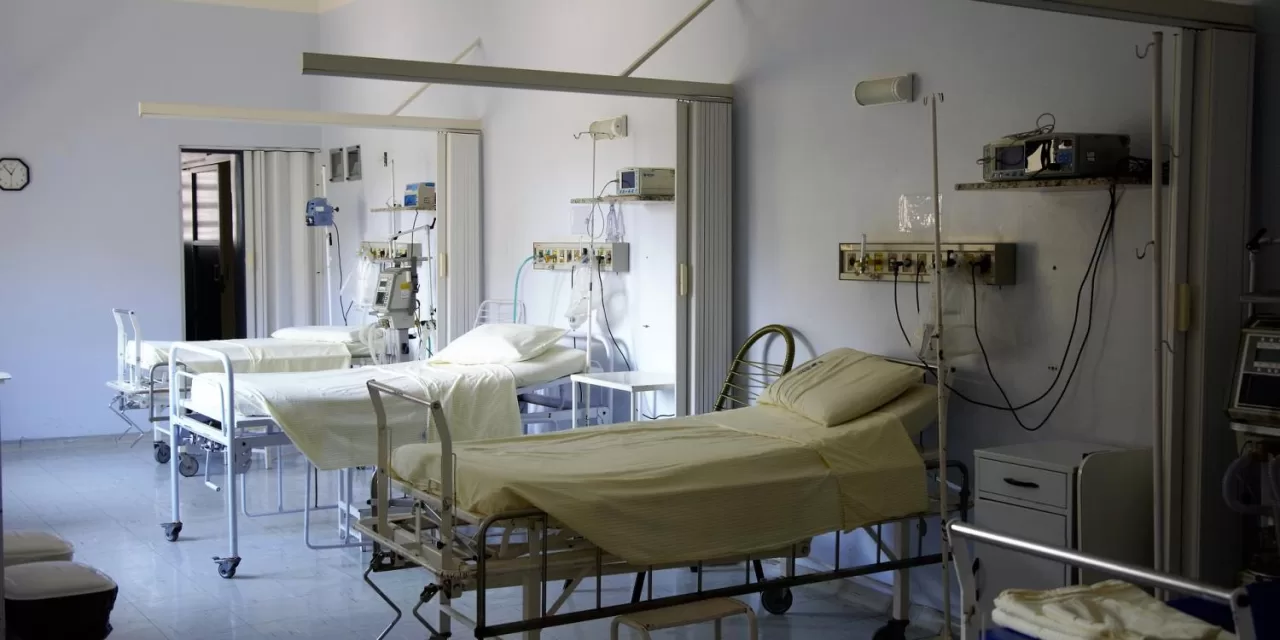
In residential colonies, especially in cities like Gurugram and Faridabad, residents often travel long distances for basic care like consultations, minor procedures, or postpartum monitoring. Nursing homes—defined under Indian regulations like the Bombay Nursing Homes Registration Act as premises for treating sickness, injury, or infirmity with nursing—fill this void by offering outpatient services, day care, and limited inpatient options without full hospital-scale infrastructure.
Expert Perspectives on the Policy
Healthcare professionals view the policy as a pragmatic step toward decentralized care. “This initiative aligns with the need for last-mile healthcare delivery, allowing doctors to serve their communities directly from residential areas,” notes Dr. Mahaveer P. Jain, President of IMA Haryana, emphasizing IMA’s role in vetting applicants. While direct quotes on this policy are emerging, IMA’s involvement signals endorsement, building on their advocacy for private sector integration.
Public health experts highlight potential benefits. Dr. Anil Kumar, a health policy analyst at the Public Health Foundation of India (not involved in the policy), states, “Proximity reduces response times for emergencies and encourages preventive care, crucial in zones with high non-communicable disease burdens like diabetes and hypertension prevalent in Haryana.” He adds that similar models in urban India have improved access by 20-30% in pilot areas.
However, experts caution on quality control. “Mandatory IMA registration and affidavits are good starts, but robust inspections under Clinical Establishments Act standards are essential to prevent substandard facilities,” warns a senior official from the Haryana Health Department. Residential zoning raises concerns about traffic, noise, and waste management in family neighborhoods.
Public Health Implications and Practical Benefits
For residents, especially in plotted colonies, this means quicker access to services like vaccinations, wound care, maternity support, and chronic disease management—vital as India’s elderly population (over 60) is projected to double by 2050. In Haryana’s high-growth sectors, it could alleviate pressure on overburdened public hospitals, where bed occupancy often exceeds 100%.
Practically, families gain convenience: imagine a working parent getting a child’s fever treated without a 10-km commute, or seniors receiving physiotherapy nearby. Economically, it empowers doctor-homeowners to monetize plots productively, potentially adding hundreds of small facilities statewide and creating jobs for nurses and paramedics.
Broader impacts include revenue from fees supporting infrastructure and alignment with national goals like Ayushman Bharat for primary care expansion. Studies on residential clinics show 15-25% drops in minor ailment ER visits, easing public system loads.
Potential Challenges and Balanced Viewpoint
Critics point to risks: residential areas may see increased traffic from patients, straining narrow service roads. Without stringent enforcement, unqualified setups could emerge, echoing past issues with unregistered homes leading to safety lapses.
Regulatory gaps persist—while nursing homes require registration under state acts, uniform national standards via the Clinical Establishments Act (2007) remain patchy. Over-saturation in hyper zones could lead to unhealthy competition, and fees might deter rural low-zone doctors.
The government plans monitoring via town planning departments and health authorities, but success hinges on compliance. Comparable policies, like Noida’s court-permitted clinics, succeeded with phased implementation and appeals processes.
Future Outlook
This policy positions Haryana as a pioneer in hybrid residential-healthcare zoning, potentially inspiring states like Punjab and Rajasthan. If scaled with digital registration portals and quality audits, it could add 500-1,000 nursing homes in two years, narrowing the bed gap by 5-10%.
Residents should verify facilities via IMA directories and government portals before use. For doctors, it’s an opportunity to expand practices ethically.
Medical Disclaimer: This article is for informational purposes only and should not be considered medical advice. Always consult with qualified healthcare professionals before making any health-related decisions or changes to your treatment plan. The information presented here is based on current research and expert opinions, which may evolve as new evidence emerges.
References
-
Hindustan Times. “Haryana approves policy for setting up nursing homes in residential plots.” February 2, 2026. https://www.hindustantimes.com[hindustantimes]
-
Medical Dialogues. “Haryana approves policy to establish nursing homes in residential colonies.” February 3, 2026. https://medicaldialogues.in/news/health/hospital-diagnostics/haryana-approves-policy-to-establish-nursing-homes-in-residential-colonies-163954[medicaldialogues]