 0
0
 0
0
BOSTON — In a major technological leap that could rewrite the rules of reproductive medicine, bioengineers and medical researchers at Harvard University have successfully developed a miniature, functioning “vagina-on-a-chip.” Announced by Harvard Medical School on May 23, the microfluidic device replicates the complex cellular structure, hormonal responses, and microbial ecosystem of the human vaginal tract.
By mimicking human biology in real time, the technology offers scientists an unprecedented look into the molecular mechanics of common, yet historically under-researched, gynecological conditions. Crucially, the achievement marks a monumental shift toward ending medical science’s long-standing reliance on animal models, which have routinely failed to mirror human reproductive anatomy and pathology accurately.
Engineering a Microscopic Microenvironment
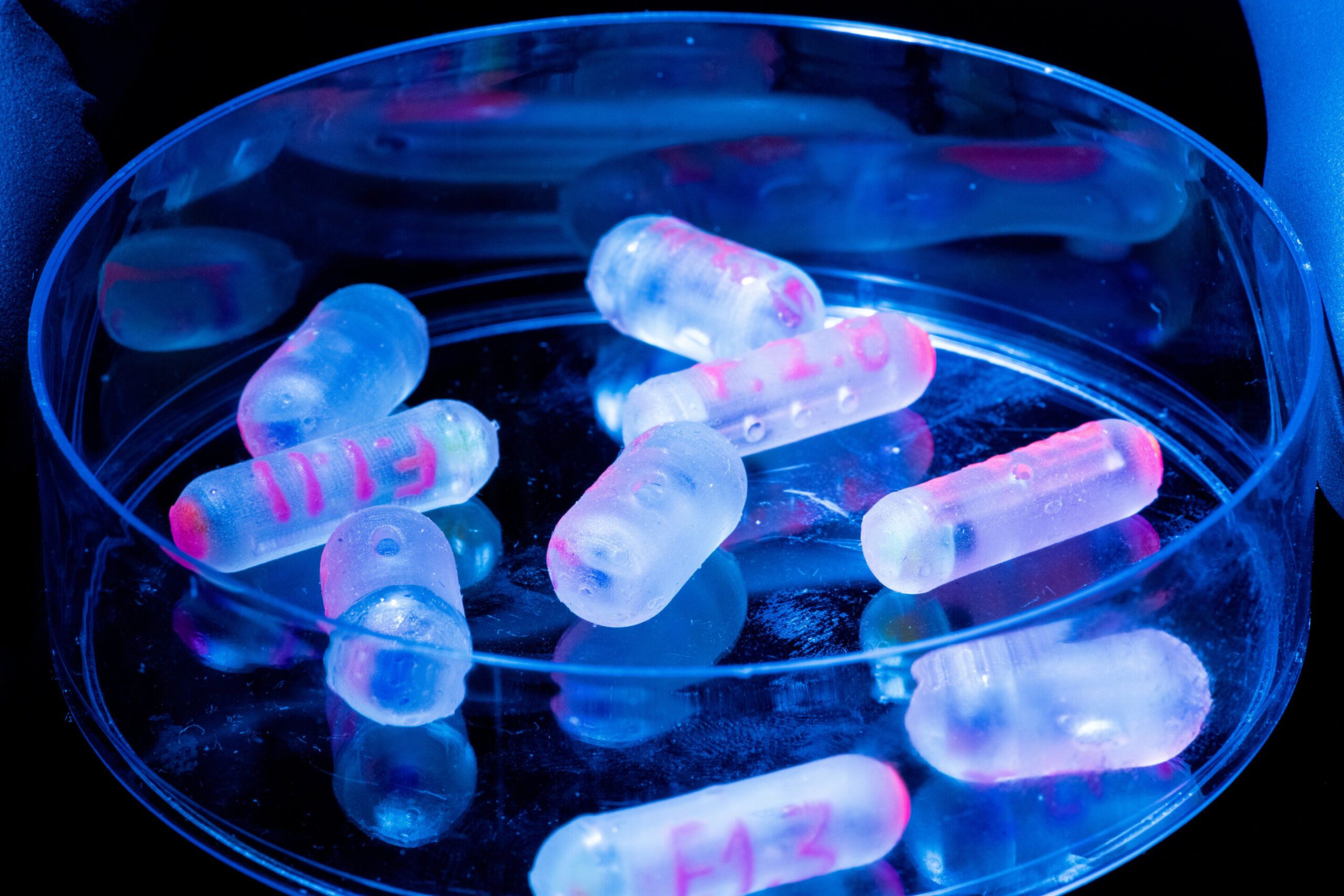
The device, roughly the size of a standard USB memory stick, belongs to a cutting-edge field of bioengineering known as “organs-on-chips.” Developed primarily at Harvard’s Wyss Institute for Biologically Inspired Engineering, the chip features two parallel, micro-sized channels separated by a porous membrane.
To recreate human vaginal tissue, scientists lined one channel with primary human epithelial cells (the outer layer of the vaginal wall) and the adjacent channel with uterine fibroblast cells (the structural, connective tissue layer).
By pumping dynamic fluid through these channels, the team simulated the natural interstitial fluid flows and physical forces experienced within the human body. This mechanical movement prompts the cells to mature and stack naturally into a multi-layered, stratified barrier that looks and acts like living human tissue.
+-------------------------------------------------------------+
|    UPPER CHANNEL: Primary Human Vaginal Epithelial Cells    |
|============= POROUS, CELL-PERMEABLE MEMBRANE =============|
|    LOWER CHANNEL: Stromal Fibroblasts & Fluid Perfusion     |
+-------------------------------------------------------------+
Historically, studying the human vaginal environment has been a notorious laboratory challenge. Standard two-dimensional cell cultures in flat plastic dishes quickly die when exposed to bacteria. Conversely, the Harvard device allows human cells and living bacterial cultures to coexist safely for several days, giving researchers a front-row seat to real-time biological interactions.
Tackling the Microbiome and Bacterial Vaginosis
A primary motivation behind the project is the urgent need to understand the vaginal microbiome—the complex community of microorganisms that inhabit the reproductive tract and serve as the body’s first line of defense against disease.
When the system is functioning optimally, beneficial bacteria, primarily from the Lactobacillus species, consume sugars produced by the epithelial cells. This process generates lactic acid, maintaining a highly protective, acidic pH level below 4.5. However, when these beneficial strains drop and harmful bacteria take over, a state of dysbiosis (microbial imbalance) occurs. This imbalance leads to bacterial vaginosis (BV).
According to data from the World Health Organization (WHO), bacterial vaginosis affects more than 25% of women of reproductive age globally. Despite its prevalence, treatments remain frustratingly inadequate, often leading to chronic recurrences. Left unmanaged, BV significantly elevates the risk of acquiring sexually transmitted infections (STIs) like HIV, and it is heavily linked to severe pregnancy complications, including pelvic inflammatory disease, miscarriage, and spontaneous preterm birth.
During testing, the Harvard research team successfully introduced a healthy consortium of Lactobacillus into the chip, watching the system spontaneously produce lactic acid and lower its pH. They then introduced Gardnerella vaginalis, the primary culprit behind BV. The chip immediately captured the real-time destruction: the protective mucus layer thinned, the epithelial cellular barrier cracked, and a cascade of pro-inflammatory proteins called cytokines was released—perfectly mirroring what happens clinically in a patient.
The Failure of the Animal Model
For decades, preclinical drug testing and medical research have depended heavily on animal testing, particularly using mice and rats. However, when it comes to reproductive health, the biological divide between humans and rodents is an architectural chasm.
“Mice do not have menstrual cycles, their vaginal pH is vastly different, and their local immune responses do not mirror human biology,” explains Dr. Elena Rostov, an independent gynecological immunologist not involved in the Harvard study.
“Furthermore, the naturally dominant Lactobacillus microbiome that defines a healthy human vagina simply does not exist in standard laboratory animals. Trying to study human vaginal dysbiosis or test a therapeutic drug in a mouse is, scientifically speaking, trying to fit a square peg into a round hole. It explains why so many promising drugs fail when they finally reach human clinical trials.”
By circumventing animal models, the organ-on-a-chip platform directly solves this translation issue. Researchers can test non-hormonal contraceptives, antibiotics, and live biotherapeutic products (specialized probiotics) directly on living human cells before a single person ever swallows a pill.
A Shield Against Historical Inequity
The implications of this technology stretch far beyond the laboratory bench; they represent a necessary correction to decades of systemic underfunding in women’s health research.
Because of the historical exclusion of female participants from clinical drug trials due to hormonal fluctuations, and a general lack of investment into conditions that do not affect men, reproductive tract disorders have lagged behind other fields of medicine. The vagina-on-a-chip, alongside the team’s recently engineered “cervix-on-a-chip,” creates a modular ecosystem to rapidly catch up.
Beyond bacterial infections, the device is slated to study how the drop in estrogen during menopause changes the physical thickness and cellular integrity of the vaginal wall. It will also be utilized to screen consumer health products, feminine hygiene items, and lubricants for hidden toxicity or inflammatory triggers that slip past standard animal-based safety screenings.
Limitations and the Road Ahead
While the medical community has greeted the invention with widespread enthusiasm, experts urge a balanced perspective regarding its immediate limitations.
The organ-on-a-chip is an engineered simplification of a incredibly complex system. In its current iteration, the chip lacks integrated systemic components, such as a full adaptive immune system, moving white blood cells, or a complex network of blood vessels. It cannot fully simulate how an entire human body metabolizes a drug or how systemic psychological stress might alter local tissue inflammation.
Furthermore, fabricating these microfluidic devices and keeping them running requires specialized, costly equipment, which currently limits their use to high-tech research hubs rather than widespread, high-throughput commercial drug screening.
The device is not an immediate, total replacement for human clinical trials, nor can it entirely phase out complex animal models overnight. Instead, it serves as an ultra-precise, mid-tier filtering system—a bridge designed to weed out toxic or ineffective treatments early, ensuring that only the safest, most effective therapies make it to human testing.
What This Means for Patients
For the millions of individuals navigating chronic reproductive tract issues, the emergence of this technology offers a tangible beacon of hope. The ability to grow patient-derived tissue on microfluidic chips could eventually pave the way for personalized medicine. A physician could potentially test multiple combinations of antibiotics or probiotics on a chip cloned from a patient’s own cells to find a tailored cure for a stubborn, recurrent infection.
For now, the project stands as a testament to how bioengineering can step in where traditional medicine has left gaps, promising a future where women’s healthcare is guided by precise human science rather than animal proxies.
References & Sources
https://www.daijiworld.com/news/newsDisplay?newsID=1315259
Medical Disclaimer
Medical Disclaimer: This article is for informational purposes only and should not be considered medical advice. Always consult with qualified healthcare professionals before making any health-related decisions or changes to your treatment plan. The information presented here is based on current research and expert opinions, which may evolve as new evidence emerges.