 0
0
 0
0
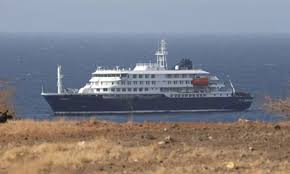
ROTTERDAM, Netherlands — A cluster of severe respiratory illnesses linked to hantavirus on the expedition cruise ship MV Hondius prompted the vessel to dock in Rotterdam on Monday, May 18, 2026. The docking allows Dutch public health authorities to initiate rigorous disinfection protocols and enforce a strict quarantine for the remaining crew and medical staff.
The emergency response follows international reports of multiple infections and three patient deaths during the ship’s recent voyage from the Canary Islands to the Netherlands. The World Health Organization (WHO) and national public health agencies have characterized the event as a localized outbreak under active investigation. Global health officials are urging targeted public health interventions rather than signaling any widespread pandemic risk.
Key Developments and the Maritime Response
The onboard health crisis first came to light when it was reported to the WHO on May 2, 2026, after several passengers developed severe respiratory symptoms while the vessel was at sea. By mid-May, the WHO and the U.S. Centers for Disease Control and Prevention (CDC) had recorded multiple confirmed and probable cases, including three fatalities linked directly to the cluster.
Public health authorities note that official case counts have fluctuated slightly as ongoing laboratory testing and epidemiologic investigations reconcile data. Because exposed passengers and crew members disembarked and returned to multiple countries before the full scope of the cluster was realized, international health agencies expect additional cases may emerge as contact tracing continues worldwide.
Upon the ship’s arrival in Rotterdam, Dutch authorities immediately established quarantine arrangements for the approximately 25 crew members and two medical staff remaining on board. Specialized teams were deployed to begin the environmental decontamination of the vessel. Non-Dutch crew members may be transferred to dedicated shore-side quarantine facilities to complete their isolation. According to current WHO guidance for high-risk exposures to dangerous pathogens, monitoring and quarantine periods can last up to 42 days, depending on the specific viral strain and individual exposure assessments.
Clinical Background: Understanding Hantaviruses
Hantaviruses are a family of viruses primarily carried and transmitted by rodents. Historically, these viruses cause two distinct clinical syndromes in humans:
-
Hemorrhagic Fever with Renal Syndrome (HFRS): Characterized by kidney failure and bleeding complications, predominantly observed in parts of Europe and Asia.
-
Hantavirus Pulmonary Syndrome (HPS): Characterized by severe, rapid respiratory failure and cardiovascular collapse, primarily documented in the Americas.
In both syndromes, early symptoms are frequently non-specific and mimic common seasonal illnesses, including fever, severe muscle aches, headaches, and gastrointestinal distress. However, in pulmonary presentations, the disease can deteriorate with alarming speed, progressing to severe shortness of breath and fluid accumulation in the lungs within a matter of days.
Public health reports associate the MV Hondius cluster with an “Andes-like” virus presentation, which triggers severe respiratory disease similar to HPS. Specialized laboratories are currently focusing on sequencing the viral genome to confirm the exact strain and pinpoint how the pathogen entered and spread through the maritime environment.
Expert Perspectives on Shipboard Outbreaks
In an official outbreak notice, the WHO emphasized that while more cases are anticipated as health agencies track exposed individuals, the situation is fundamentally different from respiratory threats like COVID-19. The agency stressed that the current data do not indicate a pandemic threat, highlighting that targeted containment and isolation are the most effective tools for resolution.
Independent infectious disease specialists note that cruise ships present unique challenges during a zoonotic outbreak. The combination of enclosed spaces, shared ventilation systems, and prolonged close contact can amplify exposure risks if a pathogen becomes capable of shifting from its primary animal host to human-to-human transmission.
“Managing an outbreak in a confined maritime environment complicates every aspect of public health,” says Dr. Elena Rostova, an independent epidemiologist specializing in emerging pathogens, who was not involved in the ship investigation. “Decontaminating a vessel requires eradicating potential rodent vectors and ensuring that complex systems like HVAC units are entirely clear of viral particles, all while meticulously tracing contacts across international borders.”
In response to the developments, the U.S. CDC issued a Health Alert Network (HAN) notice instructing clinicians to maintain a high index of suspicion for hantavirus in patients exhibiting respiratory illness who have a recent history of maritime travel.
Hantavirus Overview: Two Primary Presentations
+------------------------------------------+------------------------------------------+
| Hemorrhagic Fever with Renal Syndrome    | Hantavirus Pulmonary Syndrome (HPS)      |
| (HFRS)                                   |                                          |
+------------------------------------------+------------------------------------------+
| * Predominantly found in Europe & Asia   | * Predominantly found in the Americas    |
| * Impacts kidney function primarily      | * Attacks the respiratory system         |
| * Characterized by fever and hemorrhaging| * Causes rapid, severe fluid in lungs    |
+------------------------------------------+------------------------------------------+
*Note: The MV Hondius outbreak exhibits an Andes-like presentation, aligning with severe respiratory illness (HPS).*
Public Health Implications and Context
Congregate settings and cruise ships have long been recognized as vulnerable hubs for infectious disease transmission due to high population densities and the global movement of travelers. However, the MV Hondius incident underscores that maritime health risks extend beyond typical viral threats like influenza or norovirus to include rare zoonotic agents.
Typically, hantaviruses infect humans through the inhalation of aerosolized dust contaminated with the saliva, urine, or feces of infected rodents. However, certain South American strains—most notably the Andes virus—are capable of limited person-to-person transmission in environments involving close, prolonged contact. Determining the precise transmission route on the MV Hondius remains the central priority for investigators looking to prevent secondary clusters on land.
Limitations and Uncertainties
Public health officials caution that because the epidemiologic investigation is in its early stages, some data remain fluid. Initial laboratory screenings can yield presumptive positives that require confirmation via specialized genetic sequencing, which accounts for the minor adjustments in official tallies over recent days.
Furthermore, medical experts emphasize that human-to-human transmission remains the exception rather than the rule for the broader hantavirus family. Until comprehensive genomic and environmental testing is completed on the ship, it is impossible to definitively state whether the virus spread through rodent vectors on board or via direct person-to-person contact. Global health organizations advise the public to rely on verified data from official health channels to avoid unnecessary alarm.
Practical Takeaways for Readers
For Former Passengers and Crew
If you were a passenger or crew member on the recent voyage of the MV Hondius, you must strictly follow the directives of your local public health authority. Monitor your health daily for symptoms including fever, dry cough, and sudden shortness of breath. If symptoms develop, isolate immediately, contact emergency medical services, and explicitly disclose your exposure history to the cruise cluster.
For Medical Clinicians
Physicians, emergency department staff, and primary care providers should routinely take a detailed travel history for all patients presenting with acute respiratory distress. If a patient has recently traveled on a cruise ship or participated in maritime expeditions, consider hantavirus in the differential diagnosis. Ensure the use of appropriate personal protective equipment (PPE), promptly notify local public health authorities, and coordinate with reference laboratories for specific molecular testing.
Medical Disclaimer
Medical Disclaimer: This article is for informational purposes only and should not be considered medical advice. Always consult with qualified healthcare professionals before making any health-related decisions or changes to your treatment plan. The information presented here is based on current research and expert opinions, which may evolve as new evidence emerges.
References and Sources
-
Reuters. “Hantavirus-hit cruise ship due to arrive at Rotterdam port as final destination.” Reported by Charlotte Van Campenhout, May 17–18, 2026.