 0
0
 0
0
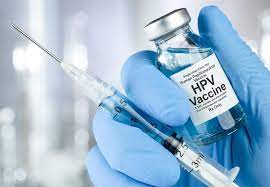
GANDHINAGAR — In a landmark victory for preventive women’s health, the state of Gujarat has successfully administered the first dose of the Human Papillomavirus (HPV) vaccine to more than 5.14 lakh adolescent girls. As of May 6, 2026, official state health data indicates the campaign has reached a staggering 91.5% of its eligible target population. This intensive rollout, launched earlier this year as part of a nationwide initiative, aims to immunize 14-year-old girls to drastically reduce the future burden of cervical cancer—a disease that remains the second most common cancer among women in India.
A Regional Surge in Coverage
The campaign’s progress highlights a significant mobilization of public health resources across Gujarat’s 33 districts and major municipal corporations. According to reports from the State Health Department, 5,14,566 vaccinations have been completed out of a total target of 5,62,324 eligible girls.
Several regions have already surpassed their initial targets, likely due to the inclusion of girls who recently moved into the eligibility age bracket during the three-month intensive phase:
-
Rajkot Corporation: 109% coverage
-
Bhavnagar Corporation: 103% coverage
-
Jamnagar & Junagadh Corporations: 102% coverage
-
Gandhinagar Corporation: 101% coverage
-
Ahmedabad District: 99% coverage
The vaccines are being provided free of cost through a network of over 2,200 government facilities, including Ayushman Arogya Mandirs (PHCs), Community Health Centres, and District Hospitals.
The Science of Prevention: Why HPV Vaccination?
The Human Papillomavirus (HPV) is responsible for nearly all cases of cervical cancer. Because the virus is primarily transmitted through skin-to-skin contact, health authorities emphasize that the vaccine is most effective when administered before any potential exposure.
The World Health Organization (WHO) has set a global “90-70-90” target to eliminate cervical cancer by 2030:
-
90% of girls fully vaccinated with the HPV vaccine by age 15.
-
70% of women screened with a high-performance test by ages 35 and 45.
-
90% of women with pre-cancer or cancer receiving treatment.
Gujarat’s 91.5% coverage puts the state ahead of the global curve for the first pillar of this strategy. Recent evidence from the Centers for Disease Control and Prevention (CDC) underscores the vaccine’s impact; in the United States, HPV infections among teenage girls dropped by 88% for vaccine-type strains since the shots were first introduced.
Expert Perspectives
“The significance of this campaign is that it brings prevention to the front end of women’s health,” says Dr. Ananya Sharma, a public health physician and cancer prevention specialist. “When girls are vaccinated before exposure, the likelihood of preventing later cervical disease is exponentially higher. This isn’t just a medical intervention; it’s a long-term investment in the health of our families and the stability of our health systems.”
State Health Minister Praful Pansheriya echoed this sentiment, noting that the campaign has been implemented without reports of serious adverse events. “The absence of serious side effects reflects the safety profile of the vaccine and the effectiveness of our trained vaccination teams,” Pansheriya stated during a progress review.
Context: India’s Cervical Cancer Burden
India currently accounts for approximately 25% of global cervical cancer deaths. Every year, over 1.2 lakh Indian women are diagnosed with the disease, and roughly 80,000 lose their lives to it.
The Gujarat rollout is a critical component of the nationwide program launched by Prime Minister Narendra Modi in February 2026. The national strategy utilizes the Gardasil-4 vaccine, which protects against the high-risk HPV types 16 and 18—responsible for 80% of cervical cancer cases in India—as well as types 6 and 11, which cause genital warts.
Challenges and Looking Ahead
Despite the impressive figures, public health officials remain cautious. Vaccination coverage data at a single point in time is a “snapshot” and does not account for the continuous flow of girls entering the target age group.
Potential hurdles include:
-
Regional Disparities: While urban corporations like Rajkot are seeing over 100% coverage, rural pockets may face challenges related to migration or localized misinformation.
-
Single-Dose vs. Multi-Dose: While the WHO and India’s National Technical Advisory Group on Immunization (NTAGI) now support a single-dose schedule for this age group as being highly effective, ensuring long-term immunity monitoring remains vital.
-
Screening Gaps: Experts warn that the vaccine does not protect against all types of HPV. Therefore, even vaccinated individuals must participate in routine cervical screening later in life.
What Families Need to Know
For parents in Gujarat and across India, the takeaway is clear: the HPV vaccine is a safe, scientifically proven tool to prevent cancer.
-
Eligibility: Currently, the free government drive targets 14-year-old girls.
-
Access: Vaccines are available at all government medical colleges and primary health centers.
-
Consultation: Parents are encouraged to speak with their local medical officer or pediatrician to address any concerns regarding their child’s specific medical history.
As Gujarat nears total coverage for its current cohort, the focus will shift to maintaining these levels through routine immunization schedules, ensuring that the next generation of women is protected from a largely preventable tragedy.
Medical Disclaimer: This article is for informational purposes only and should not be considered medical advice. Always consult with qualified healthcare professionals before making any health-related decisions or changes to your treatment plan. The information presented here is based on current research and expert opinions, which may evolve as new evidence emerges.
References
-
NDTV Health. “Gujarat: Over Five Lakh Girls Vaccinated Under HPV Campaign As State Nears 92% Coverage.” May 7, 2026.