 0
0
 0
0
London, Apr 17 – Challenging conventional wisdom, a groundbreaking study suggests that excessive intake of added sugars, rather than high cholesterol, could be a more significant driver of heart attacks and strokes. Research published in BMC Medicine reveals a strong correlation between diets high in free sugars and increased cardiovascular disease risk, even for individuals without high cholesterol.
The research, published in the journal BMC Medicine, analyzed data from over 110,000 UK adults aged 37 to 73 tracked over nine years. The findings established a significant correlation between diets high in free sugars—like those found in sodas, fruit juices, syrups, and processed foods—and an increased risk of cardiovascular disease. Notably, the study excluded naturally occurring sugars found in whole fruits and vegetables, focusing solely on added or “free” sugars.
Specifically, the study found that each 5% increase in total energy intake from free sugars was associated with a 6% higher risk of heart disease and a 10% higher risk of stroke.1 Cody Watling, lead author and a doctoral researcher at the University of Oxford, noted that the most common sources of these sugars in participants’ diets were preserves and confectionery, sugar-sweetened beverages, desserts, and fruit juices. Those in the highest-risk category consumed roughly 95 grams of free sugar daily, making up about 18% of their total energy intake.
The study outlines several mechanisms by which excessive sugar intake harms cardiovascular health. Consuming too much sugar can overload the liver, leading to fat storage and potentially non-alcoholic fatty liver disease. It also contributes to elevated blood pressure, chronic inflammation, weight gain, insulin resistance, diabetes, and increased levels of fats (triglycerides) in the blood – all significant risk factors for heart attacks and strokes.
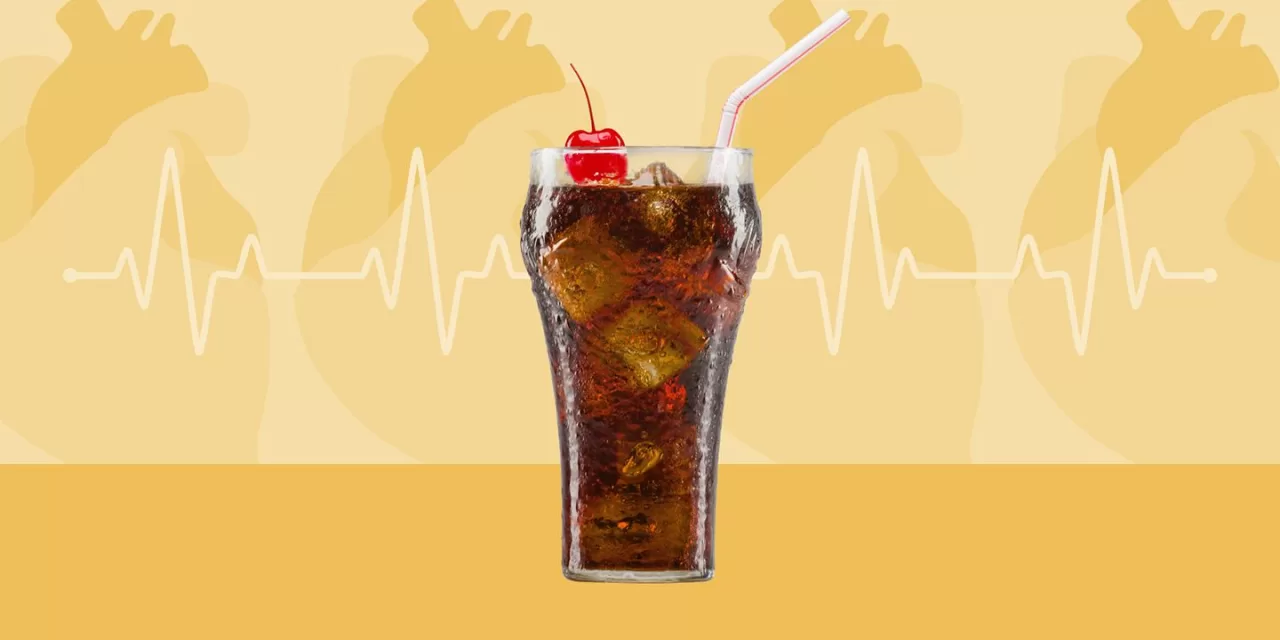
Emphasizing the broad impact of sugary liquids, Walter Willett, an epidemiologist at Harvard University, cautioned against frequent consumption of even seemingly natural options: “A glass of fruit juice is the same thing as Coke,” he stated, highlighting the similar risks. The study authors noted their research provided a more comprehensive picture by including sugars from honey, syrups, and fruit juices – sources sometimes excluded in similar studies – under the umbrella of harmful free sugars.
Based on their findings, the researchers recommend several steps to lower cardiovascular risk: eliminate sugar-sweetened beverages, avoid sweets and desserts containing added sugars, and prioritize carbohydrates from whole grains and high-fiber sources. Watling concluded that improving long-term health outcomes relies on embracing whole foods and reducing reliance on sugar-laden products.
Disclaimer: This article is based on information provided about a study published in BMC Medicine. It is intended for informational purposes only and should not be considered medical advice. Please consult with a qualified healthcare professional for any health concerns or before making any changes to your diet or treatment plan.