 0
0
 0
0
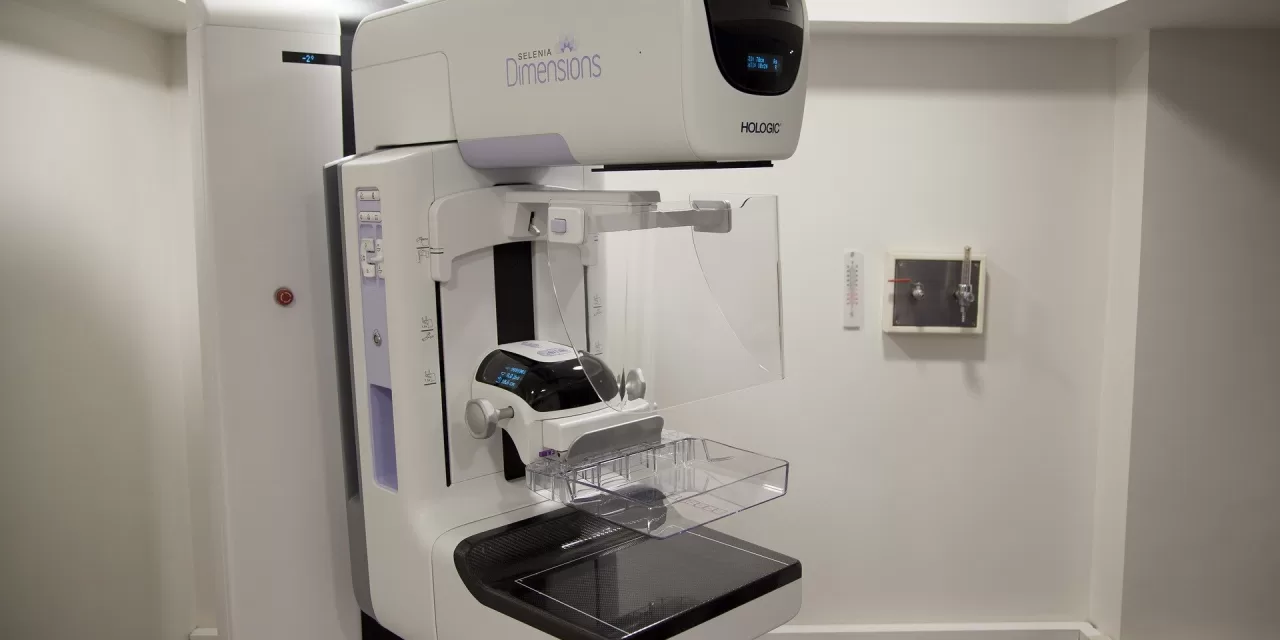
NEW DELHI — India’s medical imaging sector is currently navigating a period of cautious recalibration as escalating geopolitical tensions in West Asia ripple through the healthcare supply chain. A surge in the cost of liquid helium—an essential coolant for Magnetic Resonance Imaging (MRI) scanners—and a sharp rise in plastic raw material prices have led experts to forecast marginal price hikes for new imaging equipment. While hospital procurement budgets face new pressures, industry leaders emphasize that patient scan costs remain stable, shielding the general public from the immediate financial fallout of the conflict.
The Supply Chain Shockwave: Helium and Plastics
The ongoing conflict in West Asia has struck a sensitive nerve in the global medical device industry. Qatar, which accounts for approximately one-third of the world’s helium output, has seen disruptions in liquefied natural gas (LNG) production and shipping. For the healthcare sector, this is critical: liquid helium is the only substance capable of cooling MRI superconducting magnets to the near-absolute zero temperatures ($4.2$ Kelvin) required for operation.
According to recent industry data, spot prices for liquid helium have doubled since the onset of the latest disruptions. The strain is not limited to cooling agents; the Strait of Hormuz—a vital artery for global trade—has become a high-risk zone, driving the cost of plastic raw materials up by 40% to 50%.
Rajiv Nath, Forum Coordinator for the Association of Indian Medical Device Industry (AiMeD), noted that these surges are eroding already thin margins on high-volume medical items. While there are no immediate shortages of imaging equipment, the prolonged risk to input costs is creating a challenging environment for manufacturers and distributors alike.
Why Patient Scan Costs Remain Protected
Despite the doubling of helium prices, patients scheduled for an MRI need not worry about an immediate spike in their medical bills. Several technological and economic factors act as a “buffer” between global supply chains and the local diagnostic center.
1. Zero Boil-Off Technology
Most MRI scanners installed in India over the last 15 years utilize “Zero Boil-Off” technology. Unlike older models that required constant helium “top-ups” due to evaporation, modern machines are designed to recycle the gas internally. These units typically only require a helium refill every four to six years.
2. Capital Cost vs. Operating Cost
Dr. Harsh Mahajan, Founder and Chairman of Mahajan Imaging and Labs, explains that while liquid helium is essential, it represents a relatively small fraction of the total cost of a new machine.
-
1.5T MRI Machines: Cost between ₹4 crore and ₹8 crore.
-
3T MRI Machines: Range from ₹6 crore to ₹12 crore.
-
Helium Impact: A high-field MRI requires roughly 1,500 liters for its initial fill. Even with price hikes, the impact on the total sticker price of a new machine is estimated at a marginal 1% to 2%.
“The price of an MRI scan for a patient will not increase even if there is a shortage of liquid helium or the price increases,” Dr. Mahajan reassured, pointing out that helium is a non-consumable component in routine daily operations.
The Medical Tourism Crisis
While domestic diagnostics remain stable, India’s burgeoning medical tourism sector has taken a significant hit. Projected to reach a value of $13 billion by 2026, the sector is currently seeing a 15% to 20% monthly dip in revenue.
Flight cancellations and airspace closures have led to a 30% to 75% drop in international patients, particularly from Middle Eastern nations like Iraq, Oman, and Saudi Arabia. Anil Vinayak, Group COO of Fortis Healthcare, reported a staggering 75% plunge in patients from the Middle East in early March 2026 compared to late February.
This downturn is significant for imaging departments, as international patients often seek advanced diagnostics like MRI and PET-CT. The loss of this high-margin revenue indirectly pressures the capital equipment budgets of large private hospitals, potentially slowing the pace of future technology upgrades.
Public Health and Infrastructure Implications
The broader implications for public health center on the availability of essential disposables and the timing of infrastructure expansion. While MRI machines are “durable goods,” the plastics crisis affects “consumables”—syringes, catheters, and tubing—that are used during imaging procedures involving contrast dyes.
For healthcare providers in rural or semi-urban areas, even a “marginal” 2% increase in equipment costs can be a deterrent. Many of these facilities rely on refurbished units, which start at approximately ₹1.5 crore. If the conflict persists beyond 60 to 90 days, the depletion of existing stocks could lead to more significant price volatility.
To mitigate these risks, industry advocates are calling for government intervention. AiMeD has proposed measures such as:
-
GST refunds on essential raw materials.
-
Duty rebates of 2.5% to 5% to offset increased freight and input costs.
-
Stockpiling of critical components to safeguard against 90-day outages.
The Path Toward Resilience
India’s “Make in India” initiative has made strides in domestic manufacturing, but the nation remains over 90% dependent on imported helium. This vulnerability highlights a long-term need for investment in helium recycling technologies and the exploration of domestic sourcing.
For the average consumer, the takeaway is one of cautious optimism. The diagnostic infrastructure is resilient, and the primary tools for detecting tumors, strokes, and joint issues remain accessible. However, the situation remains fluid. As Anil Vinayak of Fortis Healthcare noted, “The situation remains highly uncertain, and the next few weeks will be critical” for determining the long-term impact on the cost of care delivery.
Medical Disclaimer: This article is for informational purposes only and should not be considered medical advice. Always consult with qualified healthcare professionals before making any health-related decisions or changes to your treatment plan. The information presented here is based on current research and expert opinions, which may evolve as new evidence emerges.
References
- https://health.economictimes.indiatimes.com/news/medical-devices/mri-machines-to-witness-marginal-price-hike-due-to-global-war-impact-warn-medical-experts/129926244?utm_source=top_story&utm_medium=homepage