 0
0
 0
0
THIRUVANANTHAPURAM, India — In a major public health move aimed at reshaping cancer detection, Kerala has launched a coordinated statewide dental network designed to spot oral cancer during routine checkups. Announced on May 19, 2026, the initiative transforms neighborhood dental clinics into an active frontline referral system. The goal is to catch precancerous conditions and early-stage malignancies before they progress into advanced, life-threatening diseases.
Oral cavity cancer is one of the most pressing health crises in India. Globally, the disease accounted for an estimated 377,713 new cases and 177,757 deaths in 2020, according to the World Health Organization’s (WHO) International Agency for Research on Cancer (IARC). The burden is heaviest in South and South-East Asia, driven largely by cultural and behavioral habits. By integrating screening into everyday dental care, Kerala hopes to intercept the disease where it starts.
However, public health experts quickly note a crucial caveat: while a broader screening network is a massive step forward, screening alone is not a cure. Its success hinges entirely on the strength of the clinical pathways that follow.
Moving Detection Closer to the Community
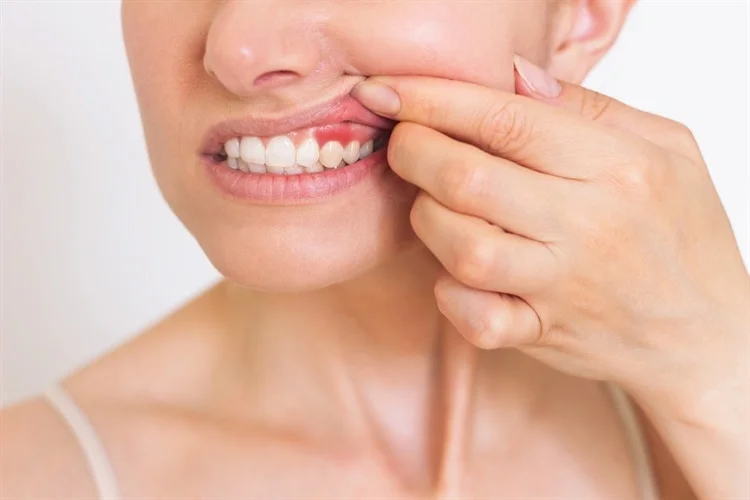
The newly established network links private and public dental clinics into a unified registry and tracking pathway. When a patient sits in a dental chair for a routine cleaning or filling, the dentist performs a structured visual and physical examination of the oral cavity. If they identify a suspicious lesion—such as a non-healing ulcer, a white patch (leukoplakia), or a red patch (erythroplakia)—the patient is fast-tracked into a specialized referral system for biopsy and definitive care.
This strategy builds directly on previous localized public health models in the state. In a past district-wide initiative in Kannur, Kerala, community health workers and primary care centers surveyed more than 1.06 million people. That massive effort uncovered 13 oral cancers and 174 precancerous cases. Crucially, nearly half of those confirmed cancers were caught at an early stage, when treatment is far less invasive and survival rates are significantly higher.
The Power of Targeted Screening
Kerala is uniquely positioned to lead this initiative, serving for decades as a global testing ground for community-based cancer detection strategies.
A landmark, long-term cluster-randomized trial conducted in Trivandrum, Kerala, published in The Lancet, provided the foundational evidence for this approach. The study evaluated 96,517 people who received oral visual screenings by trained health workers. While mass screening did not drastically alter outcomes for the general public, the study discovered a dramatic drop in oral cancer mortality among a specific subgroup: individuals with high-risk exposure to tobacco or alcohol.
Subsequent data evaluations from organisations like the Cochrane Oral Health review have reinforced this finding. Mass, untargeted screening of the general population yields low efficiency and limited certainty. Instead, public health authorities advocate for a risk-based model.
Expert Perspectives: The Referral Challenge
Independent public health researchers emphasize that finding a potential lesion is only the first link in a long chain.
“Screening is an excellent tool, but it fails if it exists in a vacuum,” says Dr. Aruna Jayakrishnan, a public health oncologist not involved in the new program’s rollout. “The real test for Kerala’s new dental network will not be how many suspicious patches dentists find, but how quickly those patients receive a biopsy, an accurate diagnosis, and immediate access to oncological treatment.”
Furthermore, global health authorities stress that screening cannot replace root-cause prevention. In its comprehensive assessment on oral cancer prevention released in late 2023, the IARC confirmed that while clinical oral examinations successfully reduce mortality among high-risk groups, the absolute priority must remain reducing public exposure to primary risk factors:
-
Smoking and smokeless tobacco (such as gutka and khaini)
-
Areca nut and betel quid chewing
-
Heavy alcohol consumption
Limitations, Risks, and “False Alarms”
Public health campaigns must carefully manage expectations to avoid systemic strain. Visual oral screenings are inherently subjective and carry distinct limitations:
-
False Positives: A dentist might flag a benign mouth ulcer caused by accidental cheek-biting or a mild infection as a potential malignancy. This can trigger intense patient anxiety and overload regional oncology centers with unnecessary secondary referrals.
-
False Negatives: Conversely, early-stage microscopic cellular changes can easily be missed by a clinician during a quick visual exam, giving a high-risk patient a false sense of security.
According to guidelines from the American Academy of Family Physicians (AAFP), untargeted visual screening of asymptomatic, low-risk individuals does not consistently reduce disease mortality. Therefore, the long-term viability of Kerala’s network depends heavily on how effectively clinicians can identify and prioritize high-risk individuals during routine appointments.
What This Means for Daily Health Decisions
For health-conscious consumers and individuals living in high-prevalence areas, the launch of this network serves as a strong reminder that dental health reflects systemic health.
Regular dental visits should be viewed as more than just a check for cavities. This is particularly true for individuals with a history of tobacco use, betel nut chewing, or alcohol consumption. Between clinic visits, individuals are encouraged to monitor their oral health and seek evaluation if they notice any of the following warning signs lasting longer than two weeks:
- Persistent, unhealed mouth ulcers or sores
- Velvety red or thick white patches on the tongue, gums, or inner cheek
- Unexplained swelling, lumps, or hardness in the mouth or neck
- Difficult or painful swallowing and restricted jaw movement
By formalizing the role of dentists as early-detection watchguards, Kerala is attempting to close the gap between initial cellular changes and life-saving intervention. If the state can successfully balance robust clinician training with streamlined treatment pathways, this dental network could serve as a model for oral cancer control across the rest of India and developing nations worldwide.
References
- https://english.punjabkesari.com/india/kerala-launches-statewide-dental-network-for-early-oral-cancer-detection/
Medical Disclaimer: This article is for informational purposes only and should not be considered medical advice. Always consult with qualified healthcare professionals before making any health-related decisions or changes to your treatment plan. The information presented here is based on current research and expert opinions, which may evolve as new evidence emerges.