 0
0
 0
0
HARARE, Zimbabwe — In a decisive move to modernize maternal healthcare, Zimbabwe has successfully implemented a nationwide digital reporting system designed to slash the time it takes to track and respond to stillbirths. The Electronic Maternal and Perinatal Death Notification System (eMPDNS), revitalized in early 2025, marks a shift from sluggish paper-based registers to real-time data entry. Backed by the World Health Organization (WHO) and the Zimbabwean Ministry of Health and Child Care, the initiative aims to transform how the country identifies, audits, and prevents fetal loss by addressing systemic delays that have cost lives for decades.
The Crisis of Silence
For years, the true scale of stillbirths in Zimbabwe remained obscured by a “paper trail” that often went cold. Under the previous manual system, notifications of a perinatal death—defined as a stillbirth or a death within the first week of life—could take months to travel from rural clinics to national decision-makers. By the time the data arrived, the opportunity to intervene or correct a facility-level error had long passed.
The stakes are high. A peer-reviewed analysis of data from Harare City revealed a sobering trend: stillbirth rates rose from 4 per 1,000 live births in 2014 to 6 per 1,000 in 2018. Globally, the burden is even more staggering. According to a systematic assessment published in The Lancet, an estimated 3.3 million stillbirths occur annually, with a disproportionate number occurring in low-resource settings during labor—a time when many of these deaths are theoretically preventable.
Real-Time Data, Real-Time Action
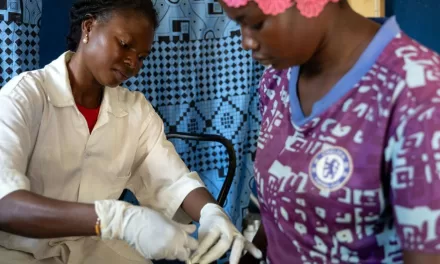
The eMPDNS changes the equation by allowing midwives and nurses to enter death notifications directly into a digital platform at the facility level. Once hit “submit,” the data is instantly accessible to health officials at the district, provincial, and national levels.
The impact of this digital transition has been immediate:
-
Reporting Surge: WHO reports that notification rates jumped from a mere 10% under the paper system to 40% via digital submission in 2025.
-
Identifying the Burden: Of the perinatal deaths recorded during this initial period, approximately 44% were classified as stillbirths.
-
Pattern Recognition: The system is helping clinicians pinpoint exactly where stillbirths are concentrated and, more importantly, what is causing them—ranging from missed antenatal care (ANC) visits to delays in emergency referrals.
“The system is helping our teams see facility-level problems almost immediately,” says Dr. Dorcas Mutede, Director of Family Health at Zimbabwe’s Ministry of Health and Child Care. This visibility, she notes, enables faster responses and targeted improvements in the quality of care provided to expectant mothers.
Breaking the Cycle of Preventable Loss
The digital platform is more than just a ledger; it is a diagnostic tool for the health system itself. In the Makonde district, early data reviews identified specific facilities with unusually high stillbirth rates. This prompted immediate, targeted audits and the strengthening of intrapartum monitoring—monitoring during labor—to protect babies in distress.
Research published in the Pan African Medical Journal highlights why this level of detail is critical. A study of Harare’s records found that 65.7% of stillbirth files lacked a documented cause of death. When a cause is “unknown,” it is nearly impossible to design a prevention strategy. The study further confirmed that “booked” antenatal care—where a mother consistently sees a provider throughout pregnancy—was significantly associated with lower odds of fresh stillbirths.
The Human Element: Beyond the Software
While the technology is a significant leap forward, experts caution that software is not a standalone cure. The success of the eMPDNS relies heavily on the “Death Audit” process—a peer-review where medical teams discuss what went wrong in a specific case to prevent it from happening again.
“Timely, high-quality data is essential,” explains Zvanaka Sithole, a technical officer for family and reproductive health at WHO Zimbabwe. However, independent maternal-health specialists emphasize that surveillance only saves lives when it leads to tangible system fixes, such as hiring more staff, repairing broken ambulances, or purchasing fetal heart rate monitors.
Challenges to Consider
Despite the progress, several hurdles remain:
-
Infrastructure: Reliable internet access and consistent electricity are required to keep the digital system live across rural outposts.
-
Incomplete Records: Even with digital tools, if a clinician is overworked and fails to document a specific complication, the data remains incomplete.
-
National Trends: While visibility has improved, it is too early to provide national data showing a definitive decline in stillbirth rates directly attributable to the eMPDNS.
What This Means for Families
For the general public, the rollout of this system underscores a vital message: Information is a form of medicine.
When the health system can see where it is failing, it can better support mothers. For pregnant individuals, the data reinforces the life-saving importance of attending all scheduled antenatal visits. These visits allow providers to manage risks like HIV infection, breech presentation, and preterm delivery—factors that the Harare study identified as leading drivers of stillbirth.
Zimbabwe’s digital transformation serves as a blueprint for other nations in sub-Saharan Africa. It proves that even in resource-constrained environments, innovation can turn “silent” tragedies into actionable data, eventually ensuring that more families return home with a healthy newborn.
References
- https://www.afro.who.int/countries/zimbabwe/news/zimbabwe-uses-digital-innovation-prevent-stillbirths
Medical Disclaimer: This article is for informational purposes only and should not be considered medical advice. Always consult with qualified healthcare professionals before making any health-related decisions or changes to your treatment plan. The information presented here is based on current research and expert opinions, which may evolve as new evidence emerges.