 0
0
 0
0
PARIS — France’s Ministry of Health confirmed on June 24, 2026, that a physician who recently returned from a humanitarian mission in the Democratic Republic of the Congo (DRC) has tested positive for Ebola virus disease (EVD). The patient is currently being treated in a specialized high-isolation facility in France and is reported to be in stable condition. In response, public health officials have swiftly initiated comprehensive contact tracing and a mandatory 21-day monitoring protocol for close contacts to prevent any onward transmission. Authorities emphasize that despite the serious nature of the pathogen, the risk to the general public remains exceedingly low.
Key Developments and Swift Containment
The case was identified after the doctor, who had been working in an Ebola-affected region of the DRC, recognized potential symptoms upon returning to France and immediately sought medical care. Following established protocols, the individual was promptly isolated and transferred under strict infection-control procedures to a specialist medical center designed to handle high-consequence pathogens.
French regional health agencies have launched a rigorous epidemiological investigation to identify every individual who may have been exposed to the patient during their infectious window. These identified close contacts will be supervised throughout the standard 21-day incubation period. Public health officials have reassured the wider European population that routine containment measures—consisting of rapid isolation, aggressive contact tracing, and disciplined monitoring—are fully operational.
Evidence and Scale: What the Reports Say
According to official statements from the French Ministry of Health and global news agencies, this remains a single, isolated imported case linked directly to the ongoing outbreak centered in parts of the DRC. The smooth execution of the patient’s transfer and subsequent isolation underscores the efficacy of pre-established international pandemic preparedness safety protocols.
While immediate details continue to emerge from media and state channels, global public health frameworks for managing Ebola are well established. The World Health Organization (WHO) notes that the Ebola virus is not airborne; it is transmitted strictly through direct contact with the bodily fluids (such as blood, saliva, or vomit) of an infected person who is actively showing symptoms, or through contaminated materials. Because the patient was isolated quickly after symptom onset, the chain of potential transmission is structurally limited.
Expert Perspectives
Independent medical experts have weighed in to provide context and reduce unnecessary public anxiety. Dr. Maria L. Santos, an infectious disease physician at a prominent European university hospital who is not involved in the patient’s care, emphasized that this scenario, while uncommon, is entirely anticipated during ongoing regional outbreaks.
“A returning healthcare worker testing positive is a known risk when clinical staff deploy to epidemic zones,” Dr. Santos stated. “However, western specialist centers are rigorously equipped to care for EVD patients while completely protecting medical staff through strict infection-prevention measures. Prompt isolation and contact tracing are our most effective first-line defenses, and they are working exactly as intended here.”
Other public health experts reiterate that a single imported case does not equate to community spread. When health systems act aggressively within the standard 21-day incubation window to monitor contacts, the virus effectively hits a brick wall.
Context and Background: Understanding Ebola
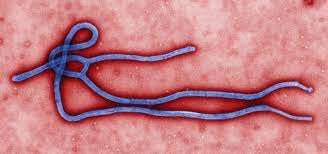
Ebola virus disease is a severe, often fatal illness in humans, first identified in 1976 near the Ebola River in what is now the DRC. Outbreaks have periodically occurred across Central and West Africa.
Ebola Transmission Framework:
[Symptomatic Patient] ──(Direct Contact with Bodily Fluids)──> [Susceptible Individual]
                                                                     │
                                                      (21-Day Incubation Monitoring)
                                                                     ▼
                                                      [Chain of Transmission Broken]
The DRC has managed multiple complex Ebola outbreaks over recent decades. Due to the intense clinical environment, humanitarian and medical staff working in these outbreak settings occasionally face exposure despite utilizing high-level precautions. This reality highlights why intensive pre-departure training, vaccination regimens (where available), and strict adherence to Personal Protective Equipment (PPE) protocols remain mandatory for global health responders.
Public Health Implications and Systemic Readiness
For the general public in France, neighboring European nations, and global observers, the immediate risk remains low. This incident serves as a real-world stress test for national public health infrastructure, highlighting the absolute necessity of:
-
Rapid Case Identification: Catching symptoms early before community exposure occurs.
-
Dedicated Isolation Infrastructure: Utilizing specialized negative-pressure biocontainment units.
-
Robust Laboratory Networks: Ensuring rapid molecular testing to confirm or rule out infection.
-
Transparent Communication: Disseminating accurate information to mitigate panic and counter misinformation.
Limitations and Uncertainties in Initial Reports
As with many developing medical situations, initial reports carry certain information gaps. Current data relies heavily on health ministry press briefings and preliminary epidemiological dispatches.
At this stage, specifics regarding the patient’s exact travel itinerary, the precise number of monitored contacts, the patient’s individual vaccination status, and the specific Ebola virus species (such as Zaire or Sudan ebolavirus) have not been publicly detailed. Public health agencies note that while imported cases are highly containable, successful eradication of risk depends entirely on the compliance of contacts during the 21-day monitoring window. If a contact develops symptoms outside of isolation, the risk profile would shift—requiring continued public health vigilance.
What This Means for Readers and Practical Precautions
For the vast majority of the population, routine daily activities are entirely unaffected. The detection of this case does not mean Ebola is circulating in the community. However, it offers critical takeaways for specific groups:
For International Travelers
Individuals traveling to or returning from areas with active Ebola transmission must strictly follow public health guidelines. If you develop a fever, severe headache, muscle pain, or fatigue after returning, seek medical assessment immediately and explicitly disclose your travel and exposure history to clinicians before arriving at a clinic.
For Monitored Contacts
Any individuals formally identified by regional health authorities must strictly adhere to instructions for home isolation and temperature monitoring. Any onset of fever, vomiting, diarrhea, or unexplained bleeding must be reported immediately via dedicated emergency health lines.
For Deployed Medical Personnel
Humanitarian workers should continue to rely on the latest WHO and local directives regarding immunization, meticulous PPE donning and doffing procedures, safe patient handling, and structured post-deployment health monitoring.
References
- https://health.economictimes.indiatimes.com/news/industry/france-reports-ebola-case-in-doctor-returning-from-congo/131969368?utm_source=latest_news&utm_medium=homepage
Medical Disclaimer: This article is for informational purposes only and should not be considered medical advice. Always consult with qualified healthcare professionals before making any health-related decisions or changes to your treatment plan. The information presented here is based on current research and expert opinions, which may evolve as new evidence emerges.