 0
0
 0
0
KOCHI, Feb 22, 2026 — In a case that has sent shockwaves through the Indian healthcare system and ignited a fierce political firestorm, a 51-year-old woman has finally undergone surgery to remove a surgical instrument left inside her abdomen for five years.
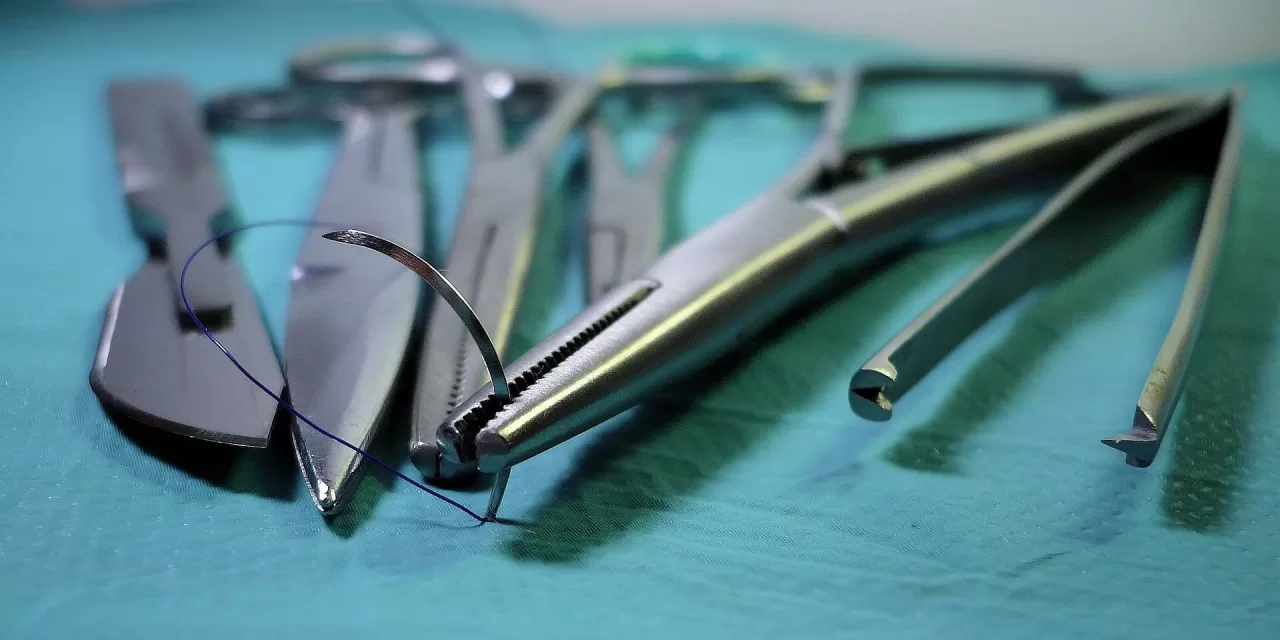
Usha Josephkutty, a native of Punnapra in Alappuzha, successfully underwent a corrective procedure on Saturday at a private hospital in Kochi. The object removed—a long, curved artery forceps—had allegedly been lodged in her body since a hysterectomy performed in May 2021 at the Government Medical College Hospital (GMCH), Vandanam.
The incident has transitioned from a medical anomaly to a legal and political flashpoint, raising critical questions about surgical protocols, the long-term impact of retained surgical items (RSIs), and the accountability of state-run medical institutions.
A Five-Year Ordeal of Silent Pain
For half a decade, Ms. Josephkutty lived with what she described as persistent abdominal pain and recurring hematuria (blood in the urine). Despite visiting multiple hospitals and seeking relief for her deteriorating health, the root cause of her symptoms remained a mystery until last week.
The breakthrough occurred only after a urology specialist in Alappuzha ordered a routine X-ray. The imaging revealed a stark, metallic silhouette of a surgical tool nestled among her organs.
“This is a classic, albeit tragic, example of why persistent post-operative symptoms must never be dismissed,” says Dr. Aranya Menon, a patient safety advocate and senior surgeon not involved in the case. “While the body can sometimes wall off a foreign object, the risk of internal scarring, infection, and organ perforation is constant. To live with an artery forceps for five years is to live with a ticking time bomb.”
The Failure of the “Surgical Count”
The 2021 procedure was conducted by a nine-member medical team. Standard operating procedures (SOPs) in any surgical theatre—especially at a tertiary care center like GMCH Vandanam—require a rigorous manual count of all needles, sponges, and instruments before the first incision and before the final closure.
The Kerala Health Department has officially admitted to a lapse, citing the “extraordinary pressures” of the COVID-19 pandemic as a contributing factor. However, safety experts argue that pandemic stress does not excuse the fundamental failure of safety checklists.
“The surgical count is the bedrock of theatre safety,” says Dr. Menon. “If the count doesn’t match, the patient does not leave the table until the item is found. If the count did match on paper in 2021, we are looking at a documentation failure that is as serious as the clinical one.”
Current Administrative Actions:
-
Suspensions: The Director of Medical Education has suspended Associate Professor Dr. J. Shahida (the lead surgeon) and nurse P.S. Dhanya pending a full investigation.
-
Forensic Evidence: The recovered forceps have been handed over to the Ambalappuzha Deputy Superintendent of Police (DySP) as material evidence for an ongoing criminal case.
-
External Monitoring: Saturday’s removal surgery was observed by two doctors from GMCH Kalamassery to ensure transparency and preserve the chain of custody for evidence.
Public Health Implications: The “Never Event”
In medical terminology, leaving a foreign object inside a patient is classified as a “Never Event”—a kind of medical error that is clearly identifiable, preventable, and serious enough that it should never occur.
While global statistics suggest RSIs occur in roughly 1 out of every 5,000 to 10,000 abdominal surgeries, the psychological toll on the patient is immeasurable. Beyond the physical trauma, the breach of trust in public healthcare institutions can lead to “medical distrust,” where patients avoid necessary care for fear of similar negligence.
Statistical Context of Surgical Safety
| Metric | Global Average (Est.) | Significance |
| RSI Frequency | 1 in 5,500 – 7,000 surgeries | Highlights the need for “Radio-Frequency Identification” (RFID) tags. |
| Most Common RSI | Surgical Sponges (70%) | Forceps are rarer and carry higher risk of organ puncture. |
| Detection Delay | Months to Years | Often found only during imaging for unrelated issues. |
Political and Social Fallout
The incident has moved beyond the hospital walls into the legislative assembly. Health Minister Veena George has faced intense criticism from the Leader of the Opposition, V.D. Satheesan, who accused the government of “gross negligence” and failing to protect citizens in state-run facilities.
Adding to the controversy, Ms. Josephkutty’s family alleged that some medical professionals attempted to dissuade them from going public after the discovery. These allegations of a “cover-up” have fueled protests by Congress workers across the state, turning a medical error into a major electoral liability for the current administration.
Looking Forward: Lessons for Patients
For the general public, this case serves as a grim reminder of the importance of self-advocacy. If you are experiencing chronic pain, localized tenderness, or unexplained symptoms following a surgery—even years later—consider the following steps:
-
Request Full Records: You have a right to your operative notes and discharge summaries.
-
Seek Second Opinions: If symptoms persist despite “normal” initial check-ups, consult a different specialist.
-
Advocate for Imaging: Persistent localized pain often warrants an X-ray or CT scan to rule out mechanical issues or foreign bodies.
“Patient safety is a shared responsibility,” notes Dr. Menon. “But the ultimate burden lies with the system to ensure that when a patient is most vulnerable—under anesthesia—the protocols meant to protect them are followed without exception.”
Medical Disclaimer
This article is for informational purposes only and should not be considered medical advice. Always consult with qualified healthcare professionals before making any health-related decisions or changes to your treatment plan. The information presented here is based on current research and expert opinions, which may evolve as new evidence emerges.
References
-
News Source: IANS Report, Feb 21, 2026. “Surgical forceps left in Kerala woman’s abdomen removed after five years.”