 0
0
 0
0
February 24, 2026
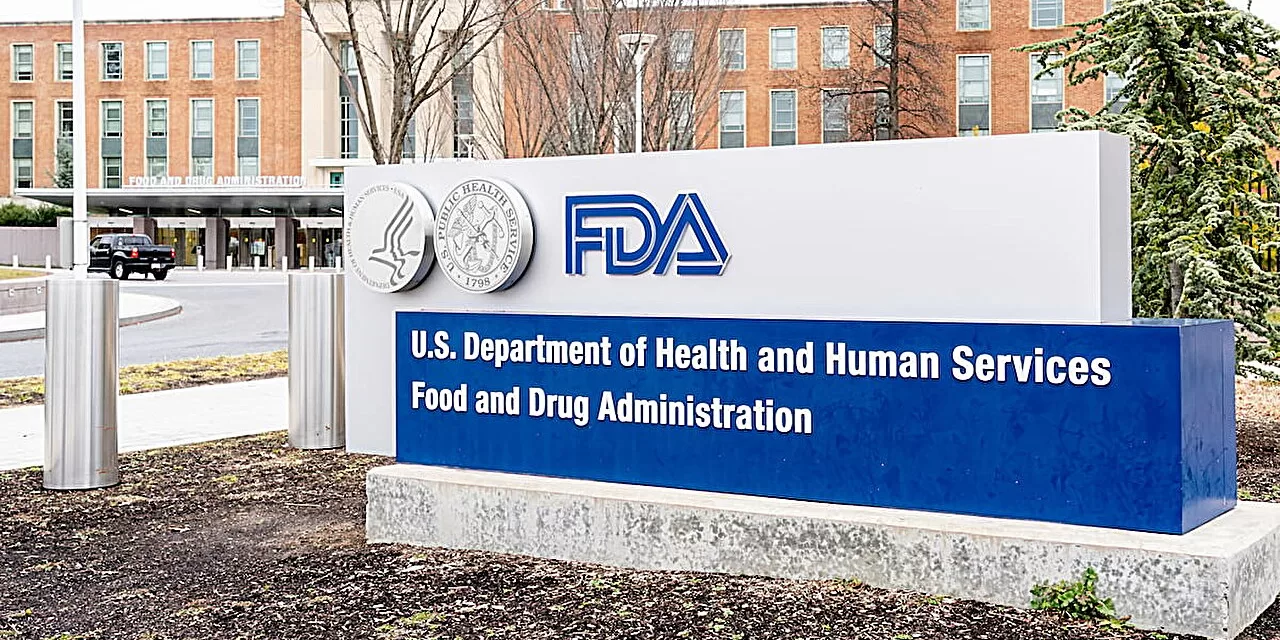
SILVER SPRING, MD — The U.S. Food and Drug Administration (FDA) announced a transformative regulatory shift on Monday, February 23, 2024, aimed at breaking the deadlock for patients with ultra-rare genetic conditions. The agency’s new draft framework proposes an accelerated approval pathway that allows life-saving gene therapies to reach the market based on “biological plausibility” and small-scale clinical data, rather than the massive, multi-year randomized controlled trials (RCTs) traditionally required for drug approval.
This move marks a pivot in modern medicine: acknowledging that for diseases affecting only a handful of people worldwide, the “gold standard” of clinical testing is not only statistically impossible but often ethically fraught.
Redefining the “Gold Standard” for Ultra-Rare Diseases
For decades, the FDA has relied on large-scale trials to ensure safety and efficacy. However, of the estimated 7,000 known rare diseases, approximately 80% are genetic in origin, and fewer than 10% have any FDA-approved treatment. For “ultra-rare” conditions—those affecting fewer than a few hundred patients—recruiting enough participants for a standard trial can take a lifetime that many patients do not have.
Under the new “plausible mechanism” pathway, the FDA will allow manufacturers of genome-editing and RNA-based therapies to seek approval by demonstrating a clear scientific link between the therapy and the underlying genetic defect.
“We are entering an era of truly personalized medicine,” a senior FDA official stated during the briefing. “When a disease is so rare that a traditional trial cannot be conducted, we must adapt our regulatory tools to the science of the 21st century without compromising patient safety.”
How the New Framework Functions
The proposal does not lower the bar for safety; rather, it shifts the timing of data collection. Key components of the framework include:
-
Proof of Infeasibility: Developers must prove that a traditional randomized trial is mathematically or logistically impossible.
-
Biological Rationale: Companies must provide rigorous evidence showing how the therapy interacts with the specific genetic mutation to produce a therapeutic effect.
-
Confirmatory Post-Market Studies: Approval is conditional. Manufacturers must continue to track every patient treated in “real-world” settings to prove long-term efficacy.
-
The “Clawback” Provision: The FDA maintains the authority to swiftly withdraw a therapy from the market if post-approval data fails to show benefit or uncovers unforeseen risks.
Expert Perspectives: Hope vs. Caution
While the biotech industry and patient advocates have hailed the move as “historic,” some medical ethicists urge a balanced approach.
“This is a massive win for families who have been told for years that their child’s condition is ‘too rare’ to justify the cost of a trial,” says Dr. Aris Persidis, a geneticist and rare disease consultant not involved in the FDA drafting. “However, the burden of proof now shifts to the post-market phase. We must ensure that ‘accelerated’ doesn’t become ‘shortcut’ by holding companies strictly accountable for long-term follow-up.”
The framework also encourages the use of “master protocols,” which allow researchers to study multiple mutations within the same gene simultaneously, sharing data across different patient groups to speed up the learning curve.
Practical Implications for Patients and Families
For the 30 million Americans living with a rare disease, this regulatory evolution could shave years off the development timeline for CRISPR-based and antisense oligonucleotide (ASO) therapies. Recent successes, such as Tessera Therapeutics’ gene-writing program for alpha-1 antitrypsin deficiency and Lexeo Therapeutics’ work on Friedreich’s ataxia, suggest that the FDA is already adopting a more “collaborative spirit” with innovators.
What this means for you:
-
Earlier Access: Experimental therapies for terminal or severely debilitating genetic conditions may become available sooner through expanded access or accelerated approval.
-
Increased Monitoring: Patients receiving these therapies will likely be part of lifelong registry studies to monitor safety.
-
Insurance Complexity: While the FDA may approve these drugs faster, the high cost of gene therapies means that reimbursement from insurance providers remains a significant secondary hurdle.
The Road Ahead
The FDA’s proposal is currently in a public comment period, with final guidance expected later this year. As gene-editing technology continues to outpace traditional law, this framework represents a vital attempt to ensure that the regulatory “speed limit” doesn’t prevent patients from reaching the finish line of a cure.
Medical Disclaimer: This article is for informational purposes only and should not be considered medical advice. Always consult with qualified healthcare professionals before making any health-related decisions or changes to your treatment plan. The information presented here is based on current research and expert opinions, which may evolve as new evidence emerges.
References
-
Reuters. (2026, Feb 23). US FDA proposes framework to speed rare disease gene therapy approvals. [reuters.com]