 0
0
 0
0
February 24, 2026
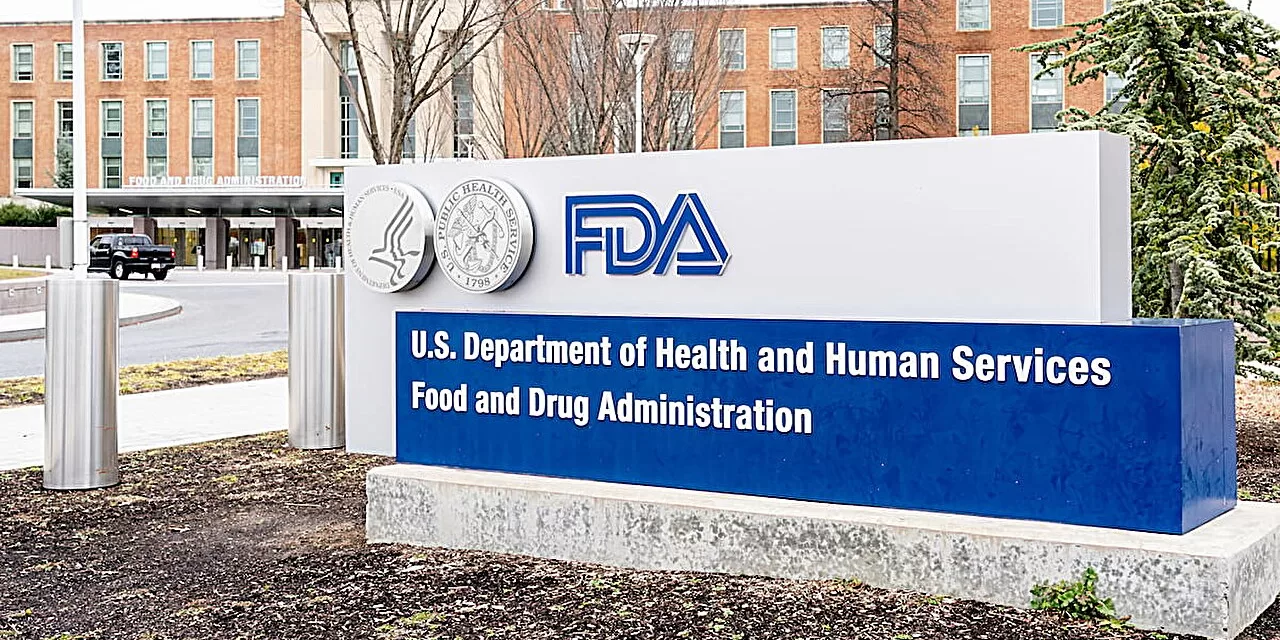
The U.S. Food and Drug Administration (FDA) has officially approved Bysanti (milsaperidone) for the treatment of schizophrenia and acute manic or mixed episodes associated with bipolar I disorder in adults. Developed by Vanda Pharmaceuticals, the drug enters the market as a “new chemical entity” within the atypical antipsychotic class. While the approval expands the toolkit for mental health professionals, experts note that the drug’s unique relationship to an existing medication makes it an “incremental advance” rather than a radical shift in psychiatric care.
A New Member of a Familiar Family
Milsaperidone is the major active metabolite of iloperidone (marketed as Fanapt), a medication that has been used to treat schizophrenia since 2009 and received expanded approval for bipolar I disorder earlier in 2024.
The pharmacological relationship between the two is intimate: once ingested, milsaperidone rapidly interconverts to iloperidone within the body. Because the two substances are bioequivalent across the therapeutic dose range, the FDA permitted Vanda Pharmaceuticals to utilize data from previous iloperidone clinical studies to support the safety and efficacy profile of this new offering.
Key Findings and Clinical Data
The approval as a first-line treatment means Bysanti can be prescribed as an initial therapy for patients experiencing the high-energy “manic” or “mixed” states of bipolar I, as well as the hallucinations or delusions often associated with schizophrenia.
In clinical trials originally conducted for its predecessor, iloperidone-based treatments demonstrated a statistically significant reduction in psychiatric symptoms compared to a placebo. These results were measured using the Positive and Negative Syndrome Scale (PANSS) for schizophrenia and the Young Mania Rating Scale (YMRS) for bipolar disorder—standardized metrics used by clinicians to track patient progress.
Expert Perspective: Innovation or Iteration?
Despite the new brand name, some leading experts are tempered in their enthusiasm. Stephen M. Strakowski, MD, a professor of psychiatry at Indiana University School of Medicine and Dell Medical School at the University of Texas at Austin, views the approval as a subtle evolution.
“Milsaperidone strongly resembles already approved iloperidone, and in fact, rapidly converts to iloperidone in vivo [inside the body],” Dr. Strakowski noted in an interview with Medscape Medical News. “Consequently, although it offers another alternative, it is only an incremental advance over existing treatments.”
For patients, an “incremental advance” might still be significant if it offers a different side-effect profile or a more convenient dosing schedule, though Bysanti’s profile appears to mirror that of its predecessor closely.
Safety and Side Effects
As with all atypical antipsychotics, Bysanti comes with specific safety considerations. The most critical is a Boxed Warning—the FDA’s most serious category of alert.
-
Dementia-Related Psychosis: The drug is not approved for use in older adults with dementia-related psychosis. Clinical data across the antipsychotic class shows that these patients face an increased risk of death when treated with these medications.
-
Common Side Effects: Based on its bioequivalence to iloperidone, patients may experience dizziness, dry mouth, fatigue, and orthostatic hypotension (a drop in blood pressure when standing up).
-
Metabolic Monitoring: Like other drugs in this class, healthcare providers will likely monitor patients for weight gain and changes in blood sugar or cholesterol levels.
Public Health Implications
Schizophrenia and bipolar I disorder affect millions of Americans, often requiring lifelong management. Schizophrenia affects approximately 1% of the global population, while bipolar I disorder involves dramatic shifts in mood that can severely impair a person’s ability to function in daily life.
The introduction of Bysanti provides an additional option for those who may not have responded well to other antipsychotics like aripiprazole or quetiapine. However, the true “public health win” may lie in the pipeline. Vanda Pharmaceuticals is currently testing milsaperidone as a once-daily adjunctive treatment for resistant major depressive disorder (MDD)—a condition where standard antidepressants fail to provide relief. If approved for MDD, milsaperidone could fill a much larger gap in the mental health landscape.
What This Means for You
If you or a loved one are currently managing bipolar I disorder or schizophrenia, the arrival of Bysanti represents a new choice to discuss with a psychiatrist. Vanda Pharmaceuticals expects the medication to be available in pharmacies by the third quarter of 2026.
Key takeaways for patients:
-
Consistency is Key: If you are currently stable on iloperidone (Fanapt), there may be no immediate clinical reason to switch, given their bioequivalence.
-
Insurance Coverage: As a new brand-name drug, Bysanti may have different insurance coverage tiers compared to older medications.
-
Future Uses: Keep an eye on future research regarding its use in depression, which could expand who benefits from this molecule.
Medical Disclaimer
This article is for informational purposes only and should not be considered medical advice. Always consult with qualified healthcare professionals before making any health-related decisions or changes to your treatment plan. The information presented here is based on current research and expert opinions, which may evolve as new evidence emerges.
References