 0
0
 0
0
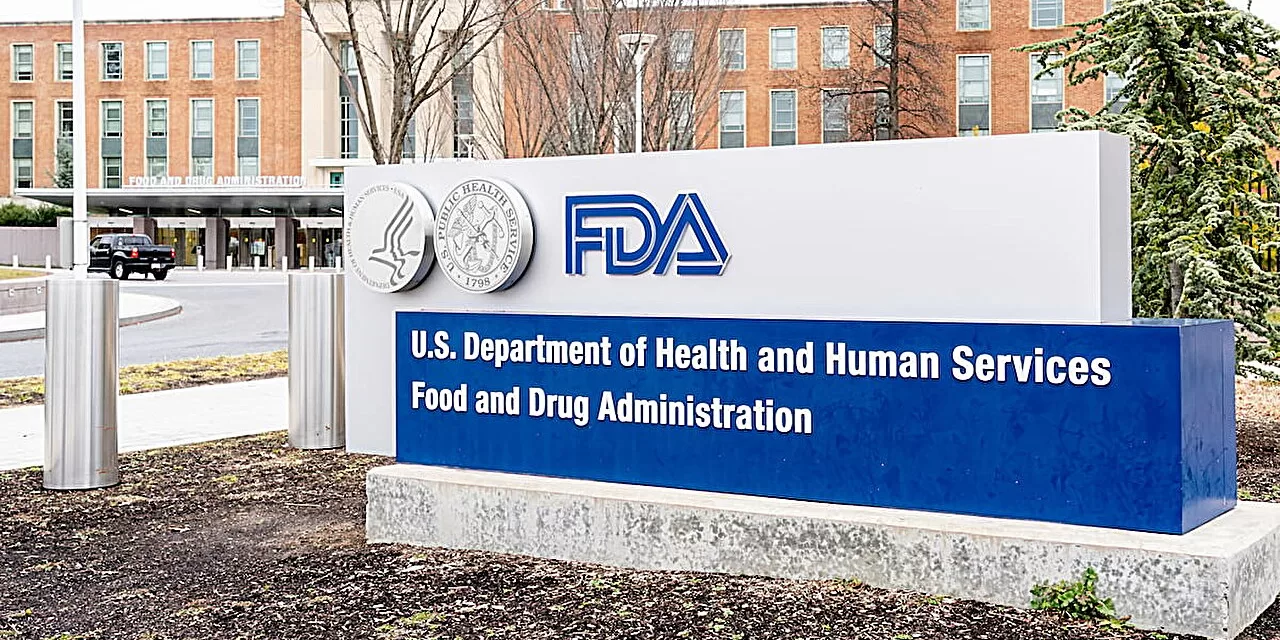
SILVER SPRING, MD — A key advisory panel to the U.S. Food and Drug Administration (FDA) voted decisively on Thursday, May 28, 2026, to recommend that updated COVID-19 vaccines for the upcoming 2026–2027 respiratory virus season target the currently dominant XFG variant. Meeting in open session, the Vaccines and Related Biological Products Advisory Committee (VRBPAC) voted 8–1, with one member abstaining, in favor of a monovalent (single-strain) formula focusing on XFG. This critical recommendation establishes the blueprint for major vaccine manufacturers as they scale up production for fall and winter rollouts, a period when viral transmission typically hits its peak.
The decision follows weeks of debate regarding ongoing genetic shifts in the virus. According to the most recent comprehensive surveillance data available from the Centers for Disease Control and Prevention (CDC), the XFG variant—popularly known as “Stratus”—accounted for more than half of all sequenced COVID-19 cases in the United States during the four-week window ending April 11, solidifying its position as the primary driver of current infections.
Deciphering the XFG “Stratus” Variant
The XFG variant is a recombinant lineage—a hybrid strain created when two different variants infect a host simultaneously and exchange genetic material. First detected in early 2025, XFG quickly outpaced older variants to become the predominant SARS-CoV-2 strain across the globe.
It marks a notable departure from the LP.8.1 strain, which served as the cornerstone for the 2025–2026 vaccine formulations. Laboratory analysis reveals that XFG carries 12 distinct spike protein substitutions compared to LP.8.1. Data from Stony Brook Medicine indicates that these structural mutations create a unique trade-off: while the XFG variant appears slightly less efficient at physically binding to and entering human cells, it is significantly more adept at dodging neutralizing antibodies from prior infections or older vaccine versions.
Fortunately, public health experts emphasize that immune evasion does not automatically translate to more severe illness. Stony Brook Medicine noted on its clinical briefing site that the shifts in real-world severity are “marginal and should not be a concern for most people,” pointing out that the vast majority of breakthrough infections in vaccinated individuals continue to manifest as mild, manageable cases.
Blind Spots: Data Gaps Spark Concern Among FDA Staff
While the panel’s vote reflects a clear consensus on the immediate path forward, the meeting was underscored by deep anxieties regarding the deteriorating state of public health surveillance. Internal briefing documents released by FDA staff ahead of the meeting explicitly warned that tracking the evolution of SARS-CoV-2 has become increasingly fraught due to structural declines in laboratory tracking.
Declining virologic surveillance, slashed sequencing volumes, and compounding communication delays from state and local health departments mean that federal authorities are essentially flying with limited visibility. In fact, the CDC’s official genomic dashboard has recently suffered from gaps where weekly data became unavailable due to critically low sequencing submissions from frontline laboratories. Consequently, the panel was forced to make its 2026–2027 recommendation using primary data that was already more than a month old.
“The structural breakdown is hard to ignore,” said Jill Roberts, PhD, an associate professor at the University of South Florida College of Public Health, who was not involved in the committee’s vote.
“Between the loss of dedicated government surveillance personnel and severe cuts to academic research funding, the U.S. is currently running genomics on only about 10 percent of positive cases. We cannot accurately target what we aren’t actively tracking.”
Vaccine Manufacturers Ready for Rapid Rollout
Despite these operational hurdles, major vaccine developers confirmed they are fully equipped to pivot to the updated XFG formula without delaying seasonal delivery timelines. The logistics differ slightly based on the underlying vaccine platform:
| Manufacturer | Vaccine Name | Platform Type | Expected Availability |
| Moderna | mNEXSPIKE / Spikevax | mRNA | Mid-August 2026 |
| Pfizer-BioNTech | Comirnaty | mRNA | Immediately upon FDA clearance |
| Sanofi-Novavax | Nuvaxovid | Protein Subunit | Doses already in production |
The choice of XFG was heavily influenced by production realities, particularly for protein-based alternatives. During the deliberations, VRBPAC Chair Stanley Perlman, MD, PhD, of the University of Iowa, noted that while the World Health Organization (WHO) recently suggested sticking with the older LP.8.1 strain, choosing XFG makes practical sense for the U.S. supply chain.
“I was really swayed by the fact that Sanofi made the XFG vaccine,” Perlman remarked during the session, referencing Nuvaxovid—the protein subunit vaccine that takes longer to manufacture than mRNA counterparts. Because Sanofi had already moved forward with manufacturing XFG-targeted doses, aligning the federal recommendation ensures that Americans who prefer a non-mRNA option will have equal, timely access to an updated shot this fall.
Balancing Perspective: The Case for a Broader Formula
The lone abstention on the panel highlighted the complex scientific trade-offs inherent in seasonal vaccine design. Hana El Sahly, MD, a professor at the Baylor College of Medicine, chose to abstain because immunogenicity data—measures of how well a vaccine stimulates an immune response—showed that the XFG vaccine and the older LP.8.1 vaccine performed almost identically in generating broad antibody coverage.
El Sahly expressed concern that by focusing exclusively on XFG, the committee might be bypassing an opportunity to introduce broader protection against other surging, genetically distinct offshoots—such as the NB.1.8.1 subvariant or the BA.3.2 lineage, colloquially known as “Cicada.” Some epidemiologists worry that if “Cicada” surges over the winter, an XFG-exclusive vaccine may offer less robust cross-protection.
Public Health Implications and Next Steps
For health-conscious consumers, the practical takeaway from the FDA panel’s decision is clear: come autumn, updated vaccines will closely match the dominant strain actively spreading through communities. Public health officials intend to focus vaccine recommendations on high-risk populations—including adults over the age of 65, individuals with severe underlying medical conditions, and frontline healthcare workers—to minimize hospitalizations and severe outcomes.
The meeting also signaled a stabilizing transition for federal health policy. Conducted without any sudden changes to committee membership, the session marked a return to predictable administrative protocols following a turbulent year of vaccine policy debates under Health Secretary Robert F. Kennedy Jr., whose previous efforts to overhaul childhood immunization panels were temporarily stalled by federal court rulings over appointment procedures.
As COVID-19 settles into a seasonal, predictable pattern akin to influenza, the success of future immunization campaigns will rely less on manufacturing speed and more on stabilizing the nation’s fragile public health surveillance infrastructure.
Medical Disclaimer
Medical Disclaimer: This article is for informational purposes only and should not be considered medical advice. Always consult with qualified healthcare professionals before making any health-related decisions or changes to your treatment plan. The information presented here is based on current research and expert opinions, which may evolve as new evidence emerges.
References
- https://www.reuters.com/legal/litigation/fda-advisers-weigh-composition-covid-vaccines-2026-2027-2026-05-28/