 0
0
 0
0
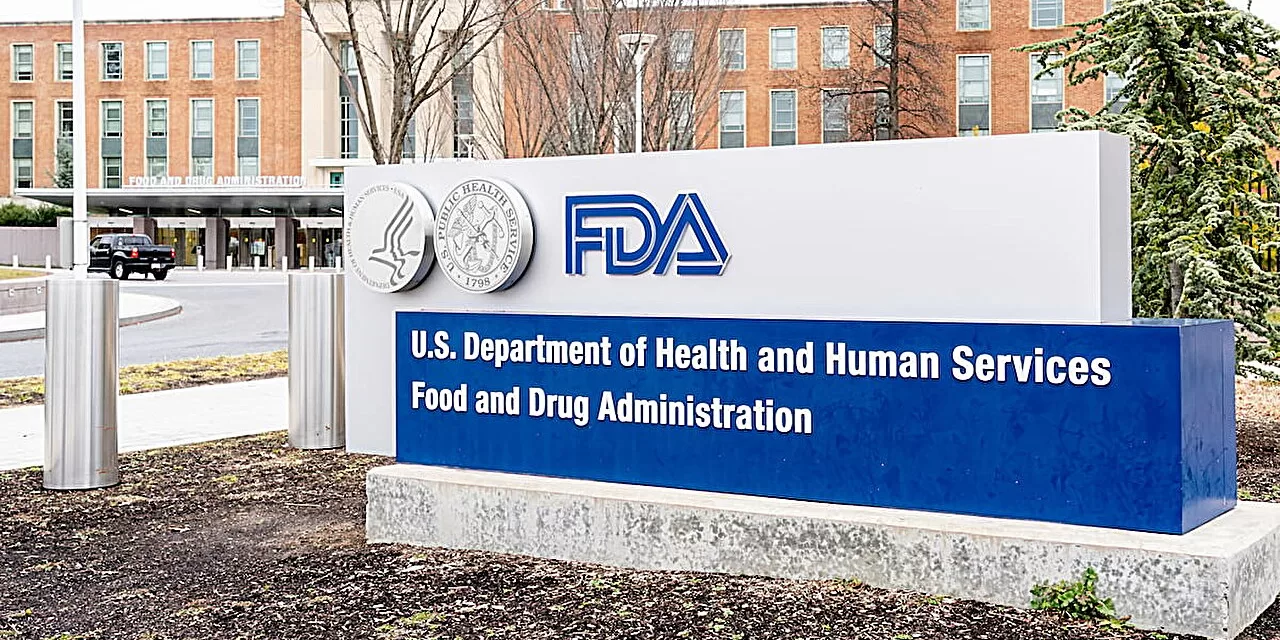
WASHINGTON — In a landmark move to modernize the American pharmaceutical pipeline, the U.S. Food and Drug Administration (FDA) announced on April 28, 2026, the launch of a pilot program designed to monitor clinical trial data in real time. By shifting from a “wait-and-see” approach to active observation, the agency aims to slash the “dead time” in drug development, potentially bringing life-saving treatments to patients months or even years sooner than current processes allow.
The pilot program, which initially includes pharmaceutical giants AstraZeneca and Amgen, leverages advanced data-sharing platforms to give regulators early access to critical trial signals, such as patient response rates and adverse safety events. While the initiative promises to sharpen U.S. competitiveness in the global biotech race, it also raises vital questions regarding data privacy, regulatory bias, and the delicate balance between speed and patient safety.
A Shift from Retrospective to Real-Time Review
For decades, the drug approval process has followed a linear, often slow-moving path. Clinical trial sponsors typically collect, clean, and analyze data over several years before “packaging” it into a massive formal submission for the FDA. This traditional model often leaves regulators in the dark until the very end of a study.
The new pilot program disrupts this timeline. Under the new model, the FDA will have the ability to observe trial signals as they emerge. According to FDA Chief AI Officer Jeremy Walsh, this approach allows the agency to identify trends—both positive and negative—long before a formal report is filed.
“We are moving away from a system of long delays and toward a model where we can observe the heartbeat of a clinical trial,” Walsh stated. “This isn’t just about faster data; it’s about better, more responsive oversight.”
FDA Commissioner Marty Makary emphasized that the goal is to eliminate “dead time”—the months spent on administrative data processing that do not contribute to actual scientific discovery. Importantly, the agency clarified that it is not requesting raw, identifiable patient records. Instead, it will receive aggregated data, ensuring that individual patient privacy is maintained at the sponsor level.
Early Targets: Oncology and Rare Diseases
The pilot program is starting where the stakes are highest: cancer research. The FDA identified two inaugural “proof-of-concept” studies:
-
AstraZeneca: A mid-stage trial focused on mantle cell lymphoma, a rare and aggressive form of non-Hodgkin lymphoma. This study will utilize the Paradigm Health platform to stream data to regulators.
-
Amgen: A study targeting limited-stage small cell lung carcinoma, a fast-moving cancer with historically limited treatment options.
In these specific areas, even a minor increase in review efficiency can be life-altering. For patients with aggressive malignancies, the months saved by real-time monitoring could represent the difference between accessing a breakthrough therapy or exhausting all options.
The Role of Technology and AI
The integration of Artificial Intelligence (AI) and digital health tools is the engine driving this change. A 2023 review in European Heart Journal – Digital Health highlighted that AI-enabled monitoring can drastically improve the efficiency of identifying safety signals. In early-phase trials, where determining the correct dose is critical, real-time data allows investigators to adjust study designs on the fly—a process known as an adaptive trial design.
However, the use of AI is not without its hurdles. Experts note that while digital tools can catch errors faster, they also require rigorous oversight to prevent algorithmic bias or “hallucinations” that could lead to incorrect regulatory conclusions.
Expert Perspectives: Progress vs. Caution
While the medical community generally welcomes the move toward efficiency, independent experts urge a measured approach. Fred Ledley, M.D., Director of the Center for Integration of Science and Industry at Bentley University, noted that while speeding up the pipeline is a “step forward,” the integrity of the data remains paramount.
“The core concern is always the balance between speed and quality,” Ledley told Fierce Biotech. “We must ensure that faster data flow does not lead to ‘fast-tracked’ errors. Real-time access is only as good as the quality of the data being fed into the system.”
Previous research supports this caution. A 2018 review published in BMJ Open found that although adaptive designs are beneficial, they require “stronger engagement with regulators” and strict protections against operational bias—the risk that seeing early data might subconsciously influence how researchers or regulators conduct the remainder of the trial.
Implications for Public Health and Consumers
For the average health-conscious consumer, this FDA pilot may feel like a behind-the-scenes administrative change, but its long-term public health implications are significant:
-
Faster Access to Innovation: If successful, this model could become the standard for all major drug categories, reducing the time it takes for new medicines to move from the lab to the pharmacy shelf.
-
Enhanced Safety Monitoring: Real-time access means the FDA can spot dangerous side effects sooner, potentially halting trials that pose a risk to participants before more people are exposed.
-
Global Competitiveness: The FDA framed the initiative as a way to maintain the U.S. as a leader in drug development, particularly as other nations, including China, rapidly modernize their own regulatory frameworks.
It is important to note, however, that faster approvals do not necessarily equate to lower drug prices. While the process may become more efficient, the cost of development and market pricing remains a separate, complex issue.
What Lies Ahead?
The FDA is currently in a “test and learn” phase. The agency has opened a public request for information (RFI), seeking input from researchers, tech providers, and the public on how to scale this program. Comments are due by May 29, 2026.
The agency expects to finalize selection criteria for additional participants in July, with more pilot selections slated for August. This rapid timeline indicates that the FDA is serious about making real-time monitoring a cornerstone of 21st-century regulation.
Quality Checklist & Summary
-
Reuters. (2026, April 28). US FDA to monitor clinical trial data in real time in pilot program aimed at speeding approvals.
Medical Disclaimer: This article is for informational purposes only and should not be considered medical advice. Always consult with qualified healthcare professionals before making any health-related decisions or changes to your treatment plan. The information presented here is based on current research and expert opinions, which may evolve as new evidence emerges.