 0
0
 0
0
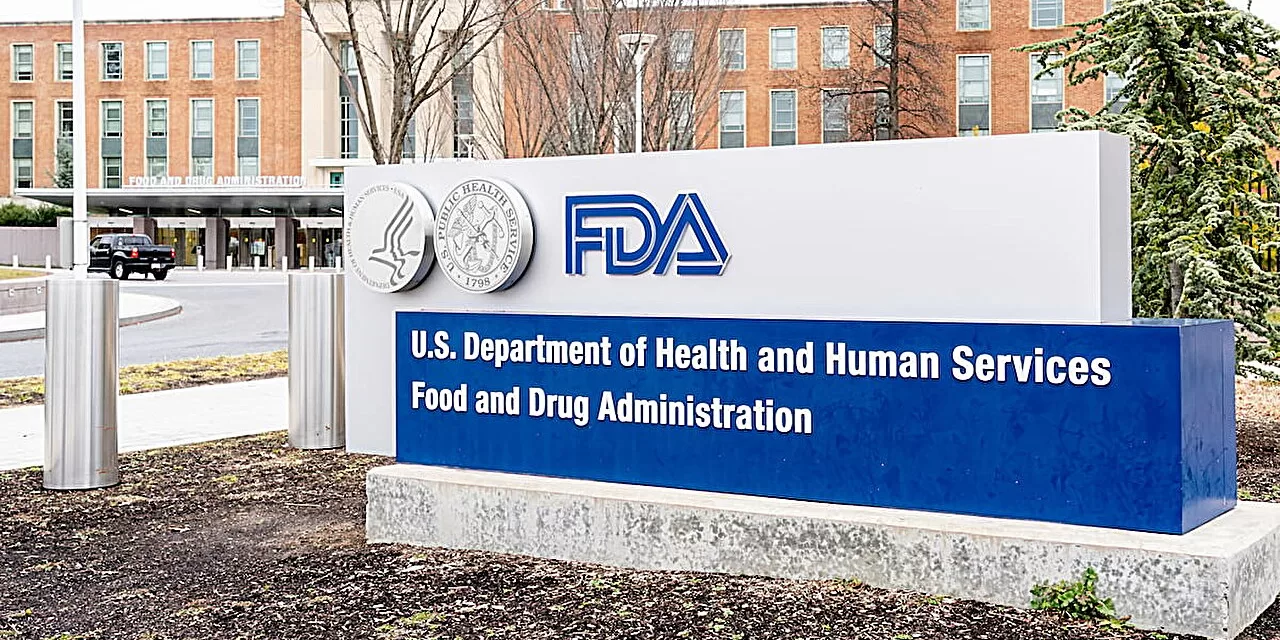
SILVER SPRING, MD — In a move that underscores the tightening of federal regulatory standards for cancer treatments, the U.S. Food and Drug Administration (FDA) has declined to approve Replimune Group’s oncolytic immunotherapy, RP1 (vusolimogene oderparepvec). The decision, announced Friday, April 10, marks the second time the agency has rebuffed the therapy, intended for patients with advanced melanoma who have failed to respond to standard-of-care treatments. Despite promising response rates in early trials, the FDA concluded that the data provided did not meet the “substantial evidence” threshold required for traditional approval.
A Setback for a Novel “Cancer Vaccine”
RP1 represents a cutting-edge class of treatments known as oncolytic-virus therapies. It is an engineered version of the herpes simplex virus-1, modified to selectively infect and destroy tumor cells while simultaneously triggering a systemic immune response.
The application sought approval for RP1 in combination with nivolumab (brand name Opdivo), a widely used checkpoint inhibitor. The duo was tested in the IGNYTE phase 2 trial, which focused on patients with unresectable or metastatic cutaneous melanoma who had already progressed on prior anti-PD-1 therapies. For this patient population, the prognosis is often grim, as few effective treatment options remain after initial immunotherapy fails.
Promising Results vs. Regulatory Rigor
The IGNYTE trial results, which have been a fixture at major oncology conferences over the last two years, appeared robust on the surface. Data indicated:
-
Objective Response Rate (ORR): Approximately 31% to 34% of patients saw significant tumor shrinkage.
-
Complete Responses: Roughly 12% of patients experienced a total disappearance of detectable cancer.
-
Durability: The median duration of response was estimated at 24 to 25 months—a significant window for a heavily pretreated population.
However, the FDA’s latest Complete Response Letter (CRL) reiterated a fundamental methodological concern first raised in July 2025: the trial was a single-arm, non-randomized study.
Without a “control group” (patients receiving only nivolumab or a different standard treatment for comparison), the FDA argued it is impossible to definitively determine if the positive outcomes were caused by RP1 or if they resulted from the natural course of the disease or lingering effects of previous treatments.
“The FDA is sending a clear signal that the era of securing full approval based solely on single-arm data in large indications like melanoma may be closing,” says Dr. Elena Rossi, an independent oncology consultant not involved in the study. “While the numbers look encouraging, the agency is prioritizing the ‘gold standard’ of randomized evidence to ensure patient safety and drug efficacy.”
The “Internal Tussle” at the FDA
The rejection is particularly striking given that RP1 was granted Breakthrough Therapy designation in 2024. Furthermore, reports emerged during the initial 2025 review that internal staff at the FDA were divided. While some reviewers reportedly supported approval based on the high unmet medical need, leadership within the Oncology Center of Excellence (OCE) ultimately maintained that the evidence was not “substantial.”
This internal debate highlights a broader shift in the regulatory landscape. Under current leadership, the FDA has moved toward a more conservative stance on “accelerated approvals,” requiring more rigorous confirmatory evidence before a drug reaches the commercial market.
Impact on Patients and the Medical Community
For the thousands of Americans living with advanced melanoma, the decision is a blow to immediate hope. Melanoma remains the deadliest form of skin cancer, and while anti-PD-1 agents have revolutionized care, a significant portion of patients eventually relapse.
Current Options for Patients:
-
Standard Care: Patients who fail first-line immunotherapy typically pivot to combination immunotherapies (such as ipilimumab/nivolumab), targeted therapies for those with specific genetic mutations (like BRAF), or chemotherapy.
-
Clinical Trials: Access to RP1 is now restricted primarily to ongoing clinical trials.
-
Existing Viral Therapy: T-VEC (talimogene laherparepvec), an earlier-generation viral therapy, remains FDA-approved but is largely used for localized lesions rather than widespread metastatic disease.
The Advocacy Voice
Patient advocacy groups have voiced frustration, arguing that for patients with end-stage disease, waiting for a multi-year randomized trial is a luxury they do not have. Conversely, some medical ethicists argue that approving drugs without comparative data can lead to patients being exposed to toxicities—and high costs—without a guaranteed benefit over existing, cheaper options.
Financial and Industry Fallout
The market reaction was swift. Replimune’s stock dropped more than 19% following the news before trading was halted. The company expressed deep disappointment, stating that the risk-benefit profile remains favorable. Analysts suggest the company may now be forced to design a massive, randomized Phase 3 trial, a process that could take several years and hundreds of millions of dollars to complete.
The Path Forward
The story of RP1 serves as a cautionary tale for the biotech industry. It highlights the critical need for pharmaceutical sponsors to align their trial designs with the FDA’s evolving expectations early in the development process.
For now, the medical community waits to see if Replimune will narrow its focus to a smaller subset of patients or embark on the rigorous randomized path the FDA demands. Until then, RP1 remains a promising, yet unproven, tool in the fight against skin cancer.
Medical Disclaimer: This article is for informational purposes only and should not be considered medical advice. Always consult with qualified healthcare professionals before making any health-related decisions or changes to your treatment plan. The information presented here is based on current research and expert opinions, which may evolve as new evidence emerges.
References
https://www.reuters.com/legal/litigation/us-fda-declines-approve-replimunes-drug-advanced-skin-cancer-2026-04-10/