 0
0
 0
0
December 10, 2025
WASHINGTON, D.C. — In a landmark decision that offers new hope to families facing a devastating genetic condition, the U.S. Food and Drug Administration (FDA) yesterday approved Waskyra (etuvetidigene autotemcel), the first gene therapy for the treatment of Wiskott-Aldrich syndrome (WAS). The approval marks a significant turning point for pediatric and adult patients with this rare, life-threatening immune disorder who previously had limited options if they lacked a compatible stem cell donor.
A “Transformative Milestone” for Patients
Wiskott-Aldrich syndrome is a rare X-linked genetic disorder that primarily affects males. It is caused by mutations in the WAS gene, which produces a protein essential for the proper function of blood cells. Patients with the condition suffer from a trifecta of severe symptoms: a compromised immune system leading to recurrent infections, a low platelet count that causes dangerous bleeding, and severe eczema. Without effective treatment, the disease can be fatal in childhood.
Until now, the only potential cure was a bone marrow transplant (hematopoietic stem cell transplantation, or HSCT) from a healthy donor. However, finding a matched donor is often difficult, and the procedure carries significant risks, including graft-versus-host disease (GvHD), where the donor cells attack the patient’s body.
Waskyra offers a new path. “Today’s approval is a transformative milestone for patients with Wiskott-Aldrich syndrome, offering the first FDA-approved gene therapy that uses the patient’s own genetically corrected hematopoietic stem cells to treat the disease,” said Dr. Vinay Prasad, Chief Medical and Scientific Officer and Director of the FDA’s Center for Biologics Evaluation and Research (CBER), in a press statement.
How the Therapy Works
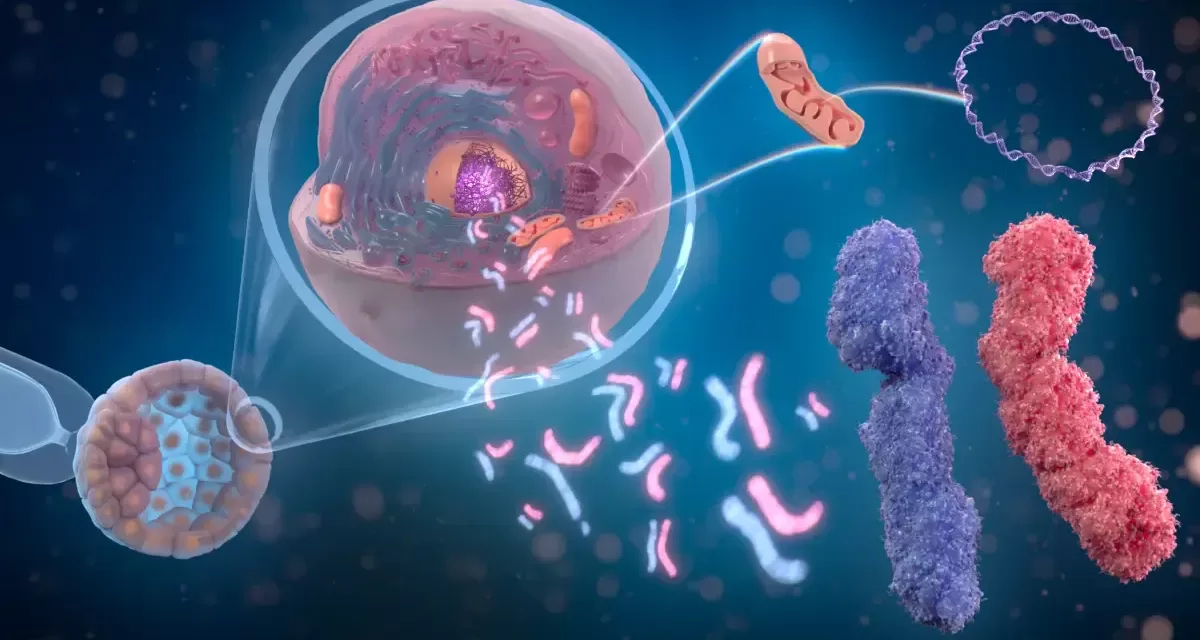
Unlike traditional transplants that rely on donor cells, Waskyra is an “autologous” gene therapy, meaning it is made from the patient’s own cells. The process involves collecting the patient’s blood stem cells and modifying them in a laboratory using a lentiviral vector—a specially engineered delivery vehicle derived from a virus—to insert a functional copy of the WAS gene.
Once the cells are modified, the patient undergoes a conditioning regimen (chemotherapy) to clear their bone marrow. The corrected cells are then infused back into the patient, where they engraft and begin producing healthy blood and immune cells. Because the cells are the patient’s own, the risk of rejection and GvHD is virtually eliminated.
Clinical Success and Safety
The FDA’s approval was based on compelling data from clinical trials and expanded access programs involving 27 patients. The results demonstrated substantial improvements in patient health:
-
Reduction in Infections: The rate of severe infections plummeted by 93% in the 6 to 18 months following treatment.
-
Bleeding Control: Moderate and severe bleeding events were reduced by 60% in the first year, with most patients reporting no such events after four years.
-
Long-term Survival: Data presented from long-term follow-up showed excellent survival rates, with patients maintaining immune function for over a decade in some cases.
“Today’s approval addresses the urgent need in the WAS community, where patients have described living ‘a life of terrifying worry and fear’ without any approved therapies available,” stated Dr. Vijay Kumar, Acting Director of the CBER Office of Therapeutic Products.
Implications and Access
Uniquely, the application for Waskyra was sponsored by Fondazione Telethon ETS, a non-profit organization. This represents the first time a non-profit has secured FDA approval for a cell and gene therapy, potentially signaling a new model for developing treatments for ultra-rare diseases that commercial pharmaceutical companies might find financially risky.
While the exact pricing has not yet been announced, gene therapies are historically expensive, often costing millions of dollars per dose due to the complex manufacturing process. Industry experts will be watching closely to see how the non-profit sponsorship influences the cost and insurance coverage for Waskyra.
Limitations and Risks
Despite the excitement, the therapy is not without risks. The conditioning chemotherapy required before the infusion can cause side effects such as nausea, hair loss, and susceptibility to infection. In the trials, common adverse events included rash, vomiting, and liver injury. Furthermore, while no cases of blood cancer (insertional oncogenesis) were reported in Waskyra trials, gene therapies using viral vectors carry a theoretical long-term risk, requiring patients to be monitored for at least 15 years.
For families like the Burnetts, whose son Jeff battled the isolation of primary immunodeficiency, advancements like this represent a future where “bubble boy” diseases no longer dictate a child’s destiny. As science advances, the approval of Waskyra serves as a powerful testament to the potential of genetic medicine to rewrite the stories of those with rare diseases.
Medical Disclaimer: This article is for informational purposes only and should not be considered medical advice. Always consult with qualified healthcare professionals before making any health-related decisions or changes to your treatment plan. The information presented here is based on current research and expert opinions, which may evolve as new evidence emerges.
References:
-
FDA News Release. (2025, December 9). FDA Approves First Gene Therapy Treatment for Wiskott-Aldrich Syndrome. U.S. Food and Drug Administration.