 0
0
 0
0
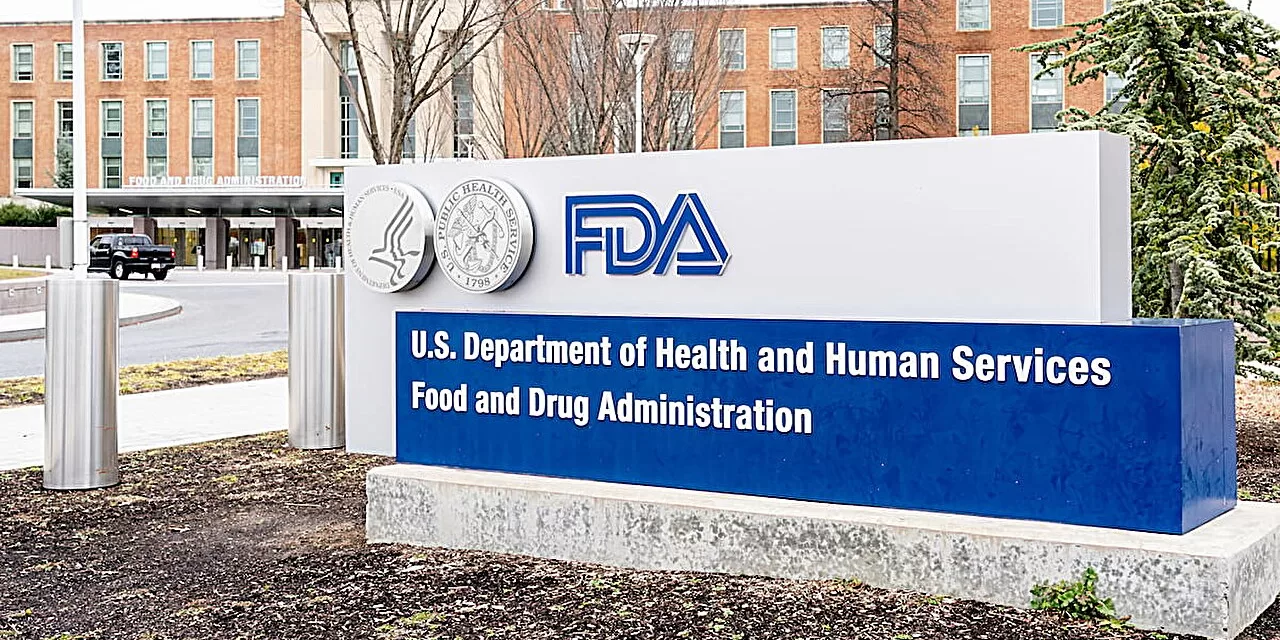
SILVER SPRING, MD — In a move set to redefine the treatment landscape for blood cancer, the U.S. Food and Drug Administration (FDA) on March 20, 2026, approved nivolumab (Opdivo) in combination with chemotherapy for adult and pediatric patients aged 12 and older with previously untreated Stage III or IV classical Hodgkin lymphoma (cHL).
The decision marks the first time an immunotherapy-chemotherapy regimen has been authorized as a frontline defense against advanced cases of this malignancy. By combining the immune-boosting power of nivolumab with a standard chemotherapy backbone (doxorubicin, vinblastine, and dacarbazine, known as AVD), the FDA has provided a more effective and potentially less toxic alternative to decades-old treatment standards.
A “Practice-Changing” Shift in Cancer Care
Classical Hodgkin lymphoma is a cancer of the immune system characterized by the presence of large, abnormal cells called Reed-Sternberg cells. While the disease is considered highly curable—especially in its early stages—patients with advanced Stage III or IV disease have historically faced a 20% to 30% risk of relapse.
The approval is based on the landmark SWOG S1826 Phase 3 trial, a National Cancer Institute-sponsored study involving nearly 1,000 patients. The trial compared the new nivolumab-AVD (N-AVD) regimen against the previous high-intensity standard, brentuximab vedotin plus AVD (BV-AVD).
The results were striking. Patients receiving the nivolumab combination demonstrated a 92% progression-free survival (PFS) rate at two years, compared to 83% for those on the previous standard. Furthermore, the N-AVD regimen reduced the risk of disease progression or death by 58% (Hazard Ratio: 0.42).
“This approval transforms the treatment paradigm for advanced cHL,” said Monica Shaw, Senior Vice President of Oncology Commercialization at Bristol Myers Squibb. “It offers a chemotherapy backbone without the need for bleomycin—a drug known for lung toxicity—alongside an immunotherapy that specifically leverages the unique biology of this disease.”
How It Works: Taking the Brakes Off the Immune System
To understand why nivolumab is so effective in Hodgkin lymphoma, one must look at how the cancer hides. Reed-Sternberg cells often express high levels of proteins that “switch off” the body’s T-cells, effectively putting the brakes on the immune system.
Nivolumab is a PD-1 inhibitor. It acts by blocking these switches, essentially removing the brakes and allowing the patient’s own immune system to recognize and attack the cancer cells. While nivolumab has been used for “relapsed” cases (cancers that returned after treatment) since 2016, moving it to the frontline means patients can benefit from this targeted approach as their very first treatment.
Reducing Long-Term Risks for Young Survivors
Because Hodgkin lymphoma frequently affects young adults—the American Cancer Society estimates the median age at diagnosis is 39, with a high concentration of cases in the 20s—long-term quality of life is a paramount concern for oncologists.
Historical treatments often relied on radiation therapy or toxic drugs like bleomycin, which carry lifetime risks of:
-
Permanent lung damage (Pulmonary toxicity)
-
Secondary cancers (New cancers caused by previous radiation)
-
Heart disease
In the SWOG S1826 trial, the need for radiation therapy dropped to less than 1% among participants. “N-AVD’s superiority and reduced toxicity profile make it a compelling new standard,” noted Michael LeBlanc, PhD, lead biostatistician for the trial. By achieving high cure rates without these aggressive additives, clinicians hope to see a generation of survivors with fewer chronic health issues decades after their “all-clear” diagnosis.
Expert Perspectives and Pediatric Impact
The approval is particularly significant for its inclusion of adolescents. By harmonizing the dosage for adults and children aged 12 and older (240 mg or 3 mg/kg for smaller children), the FDA has simplified the transition between pediatric and adult oncology care.
However, some experts urge a nuanced approach. While the National Comprehensive Cancer Network (NCCN) has updated its 2026 guidelines to include N-AVD, some clinicians note that the “gold standard” ABVD regimen remains highly effective for lower-risk patients. Dr. Isufi, a contributor to the NCCN guidelines, suggested that N-AVD is most “useful in certain circumstances,” particularly for patients at high risk of lung toxicity or those with high-burden advanced disease.
Potential Limitations and Safety Concerns
No medical breakthrough is without its caveats. The FDA reported that 39% of patients on the N-AVD regimen experienced serious adverse reactions. While lower than some older treatments, immunotherapy can cause “immune-mediated” side effects where the immune system attacks healthy organs, such as the thyroid or intestines. About 9% of trial participants experienced these reactions.
Additionally, critics point out that the trial demographics skewed toward white participants (66%), meaning more research is needed to ensure these results translate across all ethnic and racial groups.
Finally, there is the issue of cost. With a course of nivolumab listing at approximately $150,000, access may be a hurdle for some families, though many insurance providers and the manufacturer offer assistance programs for FDA-approved indications.
What This Means for Patients
For the approximately 3,000 Americans diagnosed with advanced Hodgkin lymphoma each year, this approval represents a shift toward “personalized” medicine—choosing a treatment that matches the biology of the tumor while sparing the rest of the body.
Patients newly diagnosed with Stage III or IV cHL should speak with their oncology team about:
-
Regimen Selection: Is N-AVD appropriate based on my specific stage and health history?
-
Toxicity Monitoring: What are the signs of immune-mediated side effects?
-
Survivorship: How does this regimen affect my long-term risks for heart or lung issues?
As research continues, this move into the frontline suggests that the future of cancer care lies not just in killing cancer cells, but in teaching the body how to defend itself from day one.
References
- https://www.reuters.com/business/healthcare-pharmaceuticals/us-fda-approves-bristol-myers-squibbs-cancer-drug-hodgkins-lymphoma-2026-03-20/
Medical Disclaimer: This article is for informational purposes only and should not be considered medical advice. Always consult with qualified healthcare professionals before making any health-related decisions or changes to your treatment plan. The information presented here is based on current research and expert opinions, which may evolve as new evidence emerges.