 0
0
 0
0
March 31, 2026
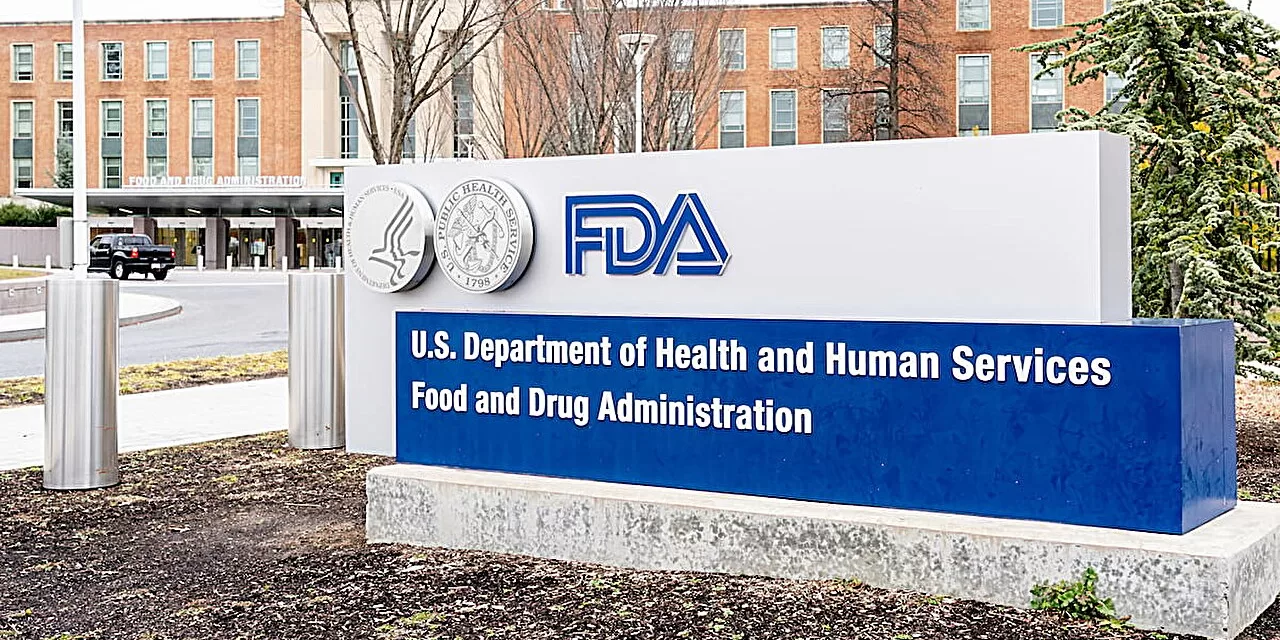
SILVER SPRING, MD — In a milestone for the rare disease community, the U.S. Food and Drug Administration (FDA) approved a higher-dose regimen of Biogen’s Spinraza (nusinersen) on March 30, 2026. This new protocol is designed to provide a more potent intervention for patients living with spinal muscular atrophy (SMA), a debilitating and potentially fatal genetic disorder. The approval, which follows a challenging regulatory path including a 2025 rejection due to manufacturing concerns, is based on pivotal data from the Phase 2/3 DEVOTE study. By increasing the concentration of the drug delivered directly to the central nervous system, health officials aim to significantly improve motor function in both treatment-naïve infants and patients transitioning from earlier therapies.
A New Frontier in SMA Treatment
Spinal muscular atrophy is a rare genetic condition affecting approximately 1 in 10,000 live births. It is characterized by a deficiency in the Survival Motor Neuron (SMN) protein, caused by mutations in the SMN1 gene. Without this protein, motor neurons in the spinal cord wither and die, leading to progressive muscle wasting. In its most severe form, Type 1, infants often face respiratory failure or death before the age of two without medical intervention.
Spinraza first made history in 2016 as the first-ever FDA-approved treatment for SMA. As an antisense oligonucleotide, it works by targeting the “backup” gene, SMN2, prompting it to produce more functional SMN protein. While the original 12 mg dose has been a life-changing standard of care for thousands, clinical observations suggested that some patients might benefit from higher concentrations to sustain motor gains over time.
The Higher-Dose Regimen: What Has Changed?
The newly approved high-dose regimen represents a significant shift in how the drug is administered. The previous protocol involved four initial loading doses followed by 12 mg maintenance doses every four months.
The updated schedule accelerates the treatment timeline and increases the concentration:
-
Loading Phase: Two 50 mg doses administered just 14 days apart.
-
Maintenance Phase: 28 mg doses administered every four months.
This intensified approach aims to reach therapeutic levels in the cerebrospinal fluid more quickly, which is critical for infants where every day of motor neuron survival counts. Biogen has confirmed that the pricing structure will reflect the vial size, with the 50 mg loading vials priced at approximately $271,000 and the 28 mg maintenance vials at $152,000.
Evidence from the DEVOTE Study
The FDA’s decision was heavily influenced by the results of the DEVOTE study, a global trial involving 145 participants across various SMA types.
The most striking data emerged from the cohort of treatment-naïve infants with infantile-onset SMA. Researchers used the CHOP-INTEND scale—a standardized test designed to measure motor skills in weak infants—to evaluate progress.
-
High-Dose Results: Infants treated with the new regimen showed a statistically significant improvement of 26.19 points on the scale after six months.
-
Historical Comparison: This outperformed the 15.1-point improvement seen in the original 2016 ENDEAR study, while the “sham” (untreated) group in that historical study saw a decline of 11.1 points.
“Optimizing the dose of nusinersen builds on a therapy that we already know can change lives,” said Richard Finkel, M.D., director of the Center for Experimental Neurotherapeutics at St. Jude Children’s Research Hospital, in a statement following the approval. “The high-dose regimen demonstrated meaningful clinical benefit while maintaining a well-characterized safety profile.”
Expert Perspectives and Market Impact
For advocacy groups, the approval represents a victory for patient choice. Kenneth Hobby, President of Cure SMA, hailed the decision as a vital step in addressing unmet needs, particularly for patients who may not have seen optimal results on lower doses.
Industry analysts also see this as a strategic move for Biogen. Andrew Tsai, an analyst at Jefferies, noted that the higher-dose regimen could help mitigate “waning efficacy” reported by some long-term patients and strengthen Spinraza’s position against competitors like Roche’s oral medication, Evrysdi, and Novartis’s gene therapy, Zolgensma. Following the announcement, Biogen’s shares rose 3.3%, reflecting investor confidence in the drug’s renewed lifecycle.
Public Health Implications and Practical Considerations
For the 30,000 individuals globally living with SMA, the higher-dose Spinraza provides a critical alternative. It is particularly relevant for:
-
Newborns: Who can now achieve higher drug levels faster during the critical early windows of development.
-
Adults: Who may have higher body masses and require more protein production to maintain mobility.
-
Ineligible Gene Therapy Candidates: Patients who cannot receive Zolgensma due to age, weight, or pre-existing antibodies.
However, the transition to high-dose Spinraza is not without logistical hurdles. The drug must be administered via intrathecal injection (a lumbar puncture), which requires a specialized clinical setting. Patients must also undergo regular blood and urine tests to monitor for potential side effects, such as kidney toxicity or coagulation issues.
Limitations and Safety Profile
While the news is overwhelmingly positive, the medical community remains cautious. The safety profile of the high-dose regimen was found to be generally consistent with the original 12 mg dose. However, common adverse events in infants included pneumonia, respiratory distress, and malnutrition.
Critics also point out that while the data for infants is robust, the evidence for “transitioned” patients (those switching from the 12 mg dose to 28 mg) relies on smaller study cohorts. Long-term safety data for the higher concentration beyond the trial period is still being collected. Furthermore, there have been no head-to-head clinical trials comparing high-dose Spinraza directly to Evrysdi or Zolgensma, meaning doctors and families must make decisions based on indirect comparisons and individual patient needs.
Looking Ahead
With approvals already secured in the U.S., European Union, Switzerland, and Japan, Biogen is expected to make the high-dose vials available in the U.S. within the coming weeks. For families, the next step involves a consultation with a neurologist to determine if the high-dose regimen is appropriate.
As the landscape of SMA treatment continues to evolve, the focus is shifting toward personalized medicine—ensuring that each patient receives the right dose, at the right time, through the right delivery method.
Medical Disclaimer: This article is for informational purposes only and should not be considered medical advice. Always consult with qualified healthcare professionals before making any health-related decisions or changes to your treatment plan. The information presented here is based on current research and expert opinions, which may evolve as new evidence emerges.
References
Primary Sources & Studies
- https://www.reuters.com/business/healthcare-pharmaceuticals/us-fda-approves-higher-dose-biogens-genetic-disorder-drug-2026-03-30/