0
0
 0
0
THIRUVANANTHAPURAM — A growing crisis in Kerala’s renowned public healthcare system has reached a breaking point as the Kerala Government Medical College Teachers’ Association (KGMCTA) issued an urgent alert regarding the “inhumane” working conditions of postgraduate (PG) medical students. Reporting shifts that frequently exceed 36 consecutive hours, the association warns that systemic overwork is not only jeopardizing the mental and physical health of junior doctors but is also creating significant risks for patient safety across the state.
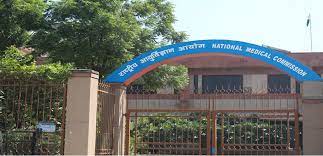
The alert comes at a volatile time for the region’s medical community. As of February 2026, government medical college doctors have been engaged in ongoing protests for over 74 days, citing chronic staff shortages, stagnant wages, and an increasingly unsafe work environment. The KGMCTA’s intervention specifically highlights the plight of PG medicos—the resident doctors who serve as the functional backbone of tertiary care—who are currently operating in direct violation of the National Medical Commission (NMC) safety guidelines.
A System Strained to its Limits
The core of the grievance lies in the disparity between surging patient volumes and a stagnant workforce. While Kerala has long been celebrated for a healthcare model that rivals developed nations, the post-pandemic era has seen a dramatic spike in hospital utilization.
-
Surging Demand: At major institutions like Thiruvananthapuram Medical College, daily outpatient (OP) visits have climbed from a pre-pandemic average of 3,500 to over 6,000 in early 2026.
-
Personnel Deficit: Despite this growth, approximately 18% of teaching posts (375 out of 2,106) remain vacant. In the broader health services sector, roughly 600 of 6,200 sanctioned positions are currently unfilled.
To bridge these gaps, PG medicos are frequently pressed into “marathon duties.” While the Postgraduate Medical Education Regulations (PGMER) 2023 mandate that residents should not work continuous shifts exceeding 24 hours and must be provided adequate rest periods, KGMCTA reports indicate these standards are routinely ignored to keep wards operational.
Expert Commentary: The “Collapse” of a Model
Medical experts argue that the current trajectory is unsustainable. Dr. Rosnara Beegum T, President of the KGMCTA, has been vocal about the long-term consequences of these labor practices.
“We are witnessing the potential collapse of Kerala’s public health model within the next five years if these issues remain unaddressed,” Dr. Beegum warned. “Very few young doctors are willing to join the service under these conditions, and those who do are burning out before they even complete their residency.”
Independent observers share this concern. Dr. Raman Kutty, a prominent public health expert, noted that “shuffling existing staff to cover vacancies is a stop-gap measure that eventually breaks the person.” He emphasized that “The Kerala Model” relies on the quality of interaction between doctor and patient—a quality that evaporates after 30 hours of sleeplessness.
Adding a national perspective, Dr. Lakshya Mittal, President of the United Doctors Front (UDF), noted that these violations are not unique to Kerala but are particularly glaring there given the state’s high health standards. “Ensuring reasonable duty hours is not just about labor rights; it is about justice for students from all backgrounds who deserve a safe training environment,” Mittal stated.
The Domino Effect on Public Health
The implications of an exhausted medical workforce extend far beyond the doctors’ well-being. Sleep deprivation has been clinically proven to impair cognitive function similarly to alcohol intoxication, which, in a medical setting, can lead to:
-
Diagnostic Errors: Slower reaction times and reduced attention to detail increase the likelihood of misdiagnosis.
-
Procedural Risks: Fatigue-related tremors or lapses in concentration during surgical or bedside procedures.
-
Mental Health Crisis: A documented rise in stress, depression, and suicidal ideation among medical residents nationally.
For the 35 million residents of Kerala, many of whom rely on public hospitals due to the rising costs of private care, the “doctor drought” and subsequent fatigue mean longer wait times and a perceived decline in the quality of care. Recent reports of delayed wound management and surgical oversights have already begun to erode the deep-seated trust the public once held in these institutions.
Government Response and Counter-Arguments
The state government has attempted to address patient backlogs by extending outpatient hours to 2:00 PM as of March 2026. However, the Kerala Government Medical Officers’ Association (KGMOA) labeled this move “autocratic,” arguing that extending hours without hiring additional staff only compounds the “physical and emotional distress” of the existing workforce.
Government officials have countered by stating that they are working within fiscal constraints and have offered verbal assurances that recruitment is a priority. They also point out that while doctors are on strike, the public—particularly the socio-economically vulnerable—is the party that suffers most from disrupted services.
The Path Forward: Balancing the Scales
To safeguard the future of Kerala’s healthcare, medical bodies are calling for four immediate interventions:
-
Urgent Recruitment: Filling the 18% vacancy in teaching posts to redistribute the workload.
-
Strict Enforcement of PGMER 2023: Implementing digital duty logs to ensure no resident exceeds 24 hours of continuous service.
-
Standardized Ratios: Establishing a fixed doctor-to-patient ratio in outpatient departments to prevent “crowd-based” medicine.
-
Salary Revision: Addressing the pending salary revisions, some dating back to 2016, to improve retention of young specialists.
As the Ministry of Social Justice and Empowerment (MoSJE) begins to look into similar national grievances, the eyes of the country remain on Kerala. The resolution of this crisis will likely serve as a blueprint for how India manages the delicate balance between universal healthcare access and the fundamental rights of those who provide it.
References
- https://medicaldialogues.in/news/health/doctors/doctors-body-flags-excessive-duty-hours-of-pg-medicos-in-kerala-seek-govt-intervention-169132
Medical Disclaimer: This article is for informational purposes only and should not be considered medical advice. Always consult with qualified healthcare professionals before making any health-related decisions or changes to your treatment plan. The information presented here is based on current research and expert opinions, which may evolve as new evidence emerges.