 0
0
 0
0
JAIPUR, India — Health authorities in Rajasthan have officially ruled out Ebola virus disease (EVD) in a Ugandan woman who was placed in an isolation ward at the Rajasthan University of Health Sciences (RUHS) Hospital in Jaipur.
The National Institute of Virology (NIV) in Pune confirmed on Saturday, June 6, 2026, that the patient’s samples tested negative for the virus. The rapid laboratory confirmation has effectively defused fears of what would have been Rajasthan’s first recorded Ebola case, bringing immense relief to health officials and the local public alike.
The patient, a woman traveling from Uganda, had arrived at Jaipur International Airport via Sharjah on Friday morning. She was flagged by medical teams during routine airport screening after exhibiting symptoms consistent with a viral hemorrhagic fever.
Following established safety protocols, she was immediately transferred to RUHS Hospital and placed in strict isolation. While her initial symptoms raised alarms, clinicians noted that her vital signs remained stable without severe secondary complications.
Key Findings: Swift Isolation and Standardized Testing
To achieve definitive confirmation, hospital staff collected blood samples and dispatched them to NIV Pune—the apex laboratory for high-consequence pathogens in India. Scientists utilized a Reverse Transcription-Polymerase Chain Reaction (RT-PCR) assay, which serves as the global diagnostic benchmark for detecting Ebola viral RNA.
“The report has now confirmed that the woman is Ebola-negative, ruling out fears of the deadly viral disease,” Rajasthan health department officials stated on Saturday.
The proactive interception demonstrates the efficacy of India’s upgraded border health screening architecture, which was reinforced following recent international health warnings.
Expert Commentary: The Diagnostic Challenge of Overlapping Symptoms
Medical experts emphasize that clinical symptoms alone are insufficient to diagnose Ebola virus disease due to how closely it mimics more common tropical illnesses.
“Ebola cannot be confirmed based on symptoms alone,” stated Dr. Anil Gupta, Superintendent of RUHS Hospital, during the initial phases of the quarantine. “The infection can only be confirmed once the laboratory report is received.”
Dr. Gupta’s cautionary approach aligns directly with global health guidelines. According to the World Health Organization (WHO), the early presentation of Ebola—including fever, severe headache, and muscle pain—is virtually indistinguishable from endemic diseases such as:
-
Malaria
-
Typhoid fever
-
Shigellosis
-
Meningitis
-
Other viral hemorrhagic fevers (like Dengue or Crimean-Congo hemorrhagic fever)
Background: Understanding Ebola and the Bundibugyo Strain
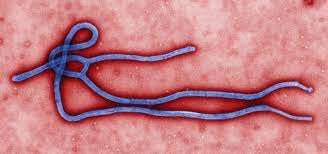
Ebola virus disease is a severe, often fatal illness in humans caused by RNA viruses belonging to the Orthoebolavirus genus. While past high-profile outbreaks were primarily driven by the Zaire ebolavirus strain, the genus includes other distinct lineages capable of causing epidemics, such as the Sudan virus and the Bundibugyo virus.
           [ Orthoebolavirus Genus ]
  ____________________|____________________
 |                    |                    |
Ebola virus      Sudan virus      Bundibugyo virus
(Zaire strain)   (Vaccines exist) (No approved vaccine)
The average case fatality rate for Ebola sits at approximately 50%, though historical outbreaks have seen mortality rates fluctuate between 25% and 90%.
The current international flare-up in Central Africa is driven by the Bundibugyo virus strain. This specific strain presents an escalated public health challenge because, unlike the Zaire strain, there are currently no licensed vaccines or targeted monoclonal antibody therapies available to combat it.
Progression of Symptoms
The incubation period for the virus—the window from initial infection to the manifestation of symptoms—ranges from 2 to 21 days. Individuals are not contagious until symptoms appear, which typically progress as follows:
-
Early Stage: Sudden onset of fever, debilitating fatigue, muscle pain, headache, and sore throat.
-
Advanced Stage: Vomiting, diarrhea, abdominal pain, and a distinct maculopapular rash.
-
Critical Stage: Impaired kidney and liver function, culminating in some patients experiencing internal and external bleeding (hemorrhage).
Global Context: Active Outbreak in Central Africa
The false alarm in Jaipur occurred against the backdrop of a widening health crisis in Central Africa. On May 17, 2026, the WHO designated the ongoing Bundibugyo Ebola outbreak in the Democratic Republic of the Congo (DRC) and Uganda as a Public Health Emergency of International Concern (PHEIC).
Current Epidemiological Status (as of June 5, 2026)
| Country | Confirmed Cases | Confirmed Deaths | Case Fatality Rate (CFR) |
| Democratic Republic of Congo (DRC) | 38 | 16 | ~42.1% |
| Uganda | 19 | 2 | ~10.5% |
In the DRC, the outbreak has primarily impacted Ituri Province, logging dozens of suspected cases alongside laboratory-confirmed transmissions. Uganda’s confirmed cases involve individuals traveling across the border from the DRC, proving the virus’s potential for international spread and justifying the heightened vigilance at global transit hubs.
India’s Preparedness: Fortifying Points of Entry
Following the WHO’s emergency declaration, the Union Ministry of Health and Family Welfare intensified surveillance measures across all international airports and seaports. Comprehensive Standard Operating Procedures (SOPs) detailing screening, quarantine protocols, clinical management, and rigorous infection control were distributed to all States and Union Territories.
Furthermore, India issued a formal travel advisory recommending that citizens avoid non-essential travel to the DRC, Uganda, and South Sudan.
While NIV Pune remains the primary nodal center for analyzing high-threat pathogens, the central government is currently onboarding additional high-containment Biosafety Level (BSL) laboratories to decentralize and accelerate diagnostic capacity.
Public Health Implications: What This Means for Readers
For the general public, this incident serves as a reassurance of public health infrastructure rather than a cause for panic. The successful management of the suspected case highlights three critical pillars of modern biosecurity:
-
Effective Border Interception: Airport health screening successfully identified a high-risk traveler based on epidemiological history and symptoms before she could enter the community.
-
Immediate Containment: The execution of isolation protocols at RUHS Hospital ensured that had the patient been positive, the risk of secondary transmission to healthcare workers or the public was minimized.
-
Rapid Diagnostic Turnaround: Efficient transport and processing of samples by NIV Pune provided definitive answers within 36 hours, preventing the spread of misinformation and social panic.
Guidance for Travelers
Health authorities advise individuals returning from Central Africa to self-monitor for symptoms for a full 21 days post-arrival. If a fever or other unexplained symptoms develop, individuals should avoid self-medicating, isolate themselves immediately, and contact local public health hotlines or designated government medical facilities.
Analytical Limitations and Continued Vigilance
While the negative test result is welcome news, epidemiologists note that the episode highlights ongoing challenges in global outbreak management:
-
Diagnostic Reliance: Because early-stage symptoms mimic endemic diseases like malaria, clinical triage will continue to flag false positives. Healthcare systems must maintain high laboratory throughput to handle these safely.
-
Therapeutic Gaps: The lack of counter-measures for the Bundibugyo strain means that supportive care (fluid management and symptom relief) remains the only therapeutic option, requiring strict adherence to quarantine protocols.
-
Zero-Case Status: The Ministry of Health confirmed that India has no confirmed cases of Ebola virus disease. However, as global travel remains robust, the threshold for suspicion must remain low at points of entry.
Rajasthan health officials have urged the public to rely on official bulletins and avoid sharing unverified claims on social media, emphasizing that the state’s defensive protocols functioned exactly as designed.
Medical Disclaimer
This article is for informational purposes only and should not be considered medical advice. Always consult with qualified healthcare professionals before making any health-related decisions or changes to your treatment plan. The information presented here is based on current research and expert opinions, which may evolve as new evidence emerges.
References
-
SocialNews.XYZ / IANS. “Suspected Ebola case in Rajasthan ruled out after NIV report.” News Report. June 6, 2026.