 0
0
 0
0
Ghaziabad, Uttar Pradesh | June 10, 2026
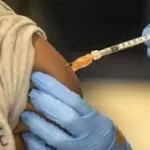
Ghaziabad health authorities launched an urgent, targeted surveillance campaign on Wednesday following the detection of a vaccine-derived poliovirus type-1 (VDPV-1) strain in a local wastewater sample. The virus was flagged during routine environmental monitoring at the Dundahera Sewage Treatment Plant. In response, the health department has deployed more than 107 medical teams to conduct door-to-door screenings of approximately 125,000 residents across 12 designated zones. While the words “poliovirus” naturally trigger anxiety, top medical experts and government officials stress that this discovery is a testament to the high sensitivity of India’s surveillance net, reassuring the public that there is absolutely no need to panic.
The Detection: Vaccine-Derived vs. Wild Poliovirus
The strain was caught early through regular testing at the Dundahera pumping station. Ghaziabad Chief Medical Officer (CMO) Dr. Sachin confirmed that the isolated virus is a vaccine-derived, non-virulent strain. This means it originated from the live, weakened virus used in the Oral Polio Vaccine (OPV) rather than the highly dangerous wild poliovirus.
“The oral polio vaccine contains a live but weakened virus, which can be excreted and detected in the environment under specific circumstances,” Dr. Sachin explained. “This distinction is critical: the virus originated from the vaccine itself, not from an outbreak of wild poliovirus circulation.”
To ensure maximum safety and map out any potential gaps in local immunity, local health authorities have initiated a robust, multi-layered protocol:
-
Intensive Mapping: Actively surveying 12 affected and neighboring localized areas in the Dundahera catchment.
-
Rapid Deployment: Mobilizing 107 specialized health teams for direct, door-to-door community checks.
-
Vulnerable Demographics: Focusing primarily on children under five years of age to ensure their vaccination books are fully up to date.
-
Inter-Agency Coordination: Working directly with the Uttar Pradesh state government, the Union Health Ministry, and the World Health Organization (WHO).
Understanding Vaccine-Derived Polioviruses (VDPV)
To understand how a vaccine can lead to a positive environmental sample, it helps to look at how the oral vaccine works. When a child receives OPV, the weakened vaccine virus replicates in their intestine for a short period to build up immunity. During this window, the vaccine virus is excreted in the child’s stool and can enter the local sewage system.
In areas with pristine sanitation and high overall vaccination coverage, this excreted virus simply dies out. However, on exceedingly rare occasions, if the virus manages to circulate through an under-immunized pocket of the population for a prolonged period, it can undergo genetic mutations.
According to global data, health organizations categorize VDPVs into three distinct brackets:
| Category | Description | Public Health Reality |
| cVDPV (Circulating) | Outbreaks that occur in settings with chronically low overall OPV vaccination coverage. | Extremely rare; only 24 cVDPV outbreaks occurred across 21 countries over the last decade. |
| iVDPV (Immunodeficiency) | Excreted by individuals with rare, primary immunodeficiencies who cannot clear the weakened virus normally. | Minimal global impact; only about 200 cases documented worldwide since 1962. |
| aVDPV (Ambiguous) | Isolated samples that cannot be definitively assigned to either community circulation or an immunodeficient individual. | Often single-instance environmental catches that fade rapidly without causing illness. |
India’s Polio-Free Legacy and Environmental Defense Net
India achieved a historic public health milestone when it was officially certified polio-free by the WHO on March 27, 2014, following three consecutive years without a single recorded endemic case of wild polio. The country’s last wild poliovirus case was reported in January 2011—a massive leap forward from 1995, when the disease paralyzed more than 50,000 Indian children annually.
To protect this hard-won status, India does not merely wait for clinical cases to surface. Instead, the country relies on two incredibly aggressive, proactive surveillance systems:
-
Acute Flaccid Paralysis (AFP) Surveillance: Every single instance of sudden muscle weakness or floppy paralysis in children under 15 years old across the nation is reported within hours and thoroughly tested to rule out polio.
-
Environmental Surveillance (ES): Regular, systemic collection of raw sewage samples from designated metropolitan sites. This serves as an early-warning radar system, picking up shed virus from asymptomatic individuals long before anyone develops physical symptoms.
The WHO India office notes that detections like the one in Ghaziabad prove the environmental surveillance net is operating exactly as designed. A similar event occurred in April 2022, when a VDPV-1 strain was isolated from a sewage sample in Kolkata. Genetic sequencing later revealed it was likely an iVDPV strain excreted by a single individual with an compromised immune system, and no community transmission ever materialized.
Expert Perspectives and the Global Context
Independent medical experts emphasize that a sewage detection does not alter India’s official status. Dr. Rajeev Santhosh, a veteran pediatrician specializing in pediatric immunization programs, notes that as long as wild poliovirus transmission remains at zero, the country’s certified status is perfectly secure.
“The protocol we are seeing play out in Ghaziabad is textbook public health defense,” says Dr. Santhosh. “The response strategy for any unexpected vaccine-derived environmental trace is identical to standard eradication practices: blanket the immediate area, check the records, and ensure every single child under five has received their necessary doses.”
The need for strict vigilance is underscored by the current international landscape. While India remains safe, the global eradication fight is in its final, most difficult stretch. In 2025, wild poliovirus type 1 (WPV1) cases rose by 40% globally, restricted entirely to the final two endemic nations: Pakistan and Afghanistan. Furthermore, borderless travel means importations remain a constant variable; even Germany detected WPV1 traces in Hamburg’s wastewater back in November 2025 without any accompanying human paralysis cases.
Understanding India’s Current National Polio Immunization Schedule
To ensure children maintain robust immunity against both wild and vaccine-derived strains, India’s Universal Immunization Programme utilizes a dual-armor approach combining both the Oral Polio Vaccine (OPV) and the Inactivated Polio Vaccine (IPV):
-
At Birth: OPV-0 (2 drops, oral)
-
6 Weeks: OPV-1 (2 drops, oral) + fIPV-1 (fractional Inactivated Polio Vaccine, 0.1 ml, intradermal injection)
-
10 Weeks: OPV-2 (2 drops, oral)
-
14 Weeks: OPV-3 (2 drops, oral) + fIPV-2 (0.1 ml, intradermal injection)
-
16–24 Months: OPV Booster (2 drops, oral)
Note: The oral vaccine can be safely administered to children during routine health drives up to the age of 5.
Actionable Guidelines for Residents
Public health authorities advise families to focus on a few simple, concrete preventative measures to assist health workers:
-
Review Immunization Records: Open your child’s health card and verify that they have received all scheduled doses of both OPV and the injectable fIPV.
-
Cooperate with Mobile Teams: If a health worker visits your household in the Ghaziabad region, provide accurate details regarding the vaccination status of your young children.
-
Watch for Key Symptoms: Promptly report any sudden onset of limb weakness or unexplained physical floppiness in children to a qualified physician.
-
Avoid Misinformation: Base health decisions on updates from local medical officials rather than unverified alerts circulating on social media platforms.
Ultimately, the active deployment of health workers across Ghaziabad is a demonstration of public health infrastructure working at its highest level—intercepting a viral signal in the environment before it ever has a chance to cause harm.
Medical Disclaimer
Medical Disclaimer: This article is for informational purposes only and should not be considered medical advice. Always consult with qualified healthcare professionals before making any health-related decisions or changes to your treatment plan. The information presented here is based on current research and expert opinions, which may evolve as new evidence emerges.
References
- https://timesofindia.indiatimes.com/city/ghaziabad/ghaziabad-on-alert-after-poliovirus-detected-in-sewage-sample/articleshow/131640193.cms#:~:text=GHAZIABAD%3A%20Ghaziabad%20health%20authorities%20on,%2Dderived%20poliovirus%20type%2D1.