 0
0
 0
0
May 28, 2026 | 5:56 AM IST
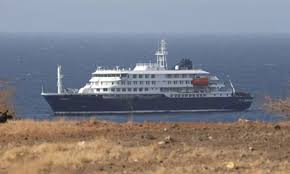
The World Health Organization (WHO) confirmed that hantavirus cases linked to a trans-Atlantic cruise ship outbreak have risen to 13, following a newly identified case in Spain. The outbreak, which originated in April 2026 aboard the Dutch-flagged vessel MV Hondius during a voyage from South America, has resulted in three deaths. All three fatalities occurred prior to May 2, keeping the case fatality ratio at approximately 38%. WHO Director-General Dr. Tedros Adhanom Ghebreyesus announced that the latest infection was detected in a Spanish passenger who was already under strict quarantine. While the expanding case count has drawn international media attention, global health authorities emphasize that the risk to the general public remains very low.
Understanding the Outbreak Timeline
The cluster first came to light on May 2, 2026, when health officials identified passengers suffering from severe respiratory illness aboard the MV Hondius. The vessel was carrying 147 passengers and crew at the time, though dozens had already disembarked at various ports.
Epidemiological investigations suggest the outbreak began with an adult male passenger who had spent over three months traveling through rural regions of Argentina, Chile, and Uruguay—areas where hantavirus is known to circulate in wild rodent populations. He boarded the ship on April 1 and tragically died at sea on April 11.
A clear pattern of transmission soon emerged among close contacts, the ship’s medical staff, and expedition guides. The chronological breakdown of the primary cases illustrates how the virus spread within the vessel’s confined environment:
| Case Profile | Key Dates & Timeline | Current Status / Clinical Outcome |
| Case 1: Adult male; history of extensive travel in South America. | Boarded April 1; developed symptoms; died onboard April 11. | Probable index case; deceased. |
| Case 2: Female passenger; documented close contact of Case 1. | Disembarked; died April 26 in Johannesburg, South Africa. | Confirmed case; deceased. |
| Case 3: Adult male passenger; close contact. | Symptoms began April 24; evacuated to intensive care. | Confirmed case; hospitalized in ICU (Johannesburg). |
| Case 4: Adult female passenger; presented with severe pneumonia. | Developed symptoms late April; died on May 2. | Confirmed case; deceased. |
| Case 5: Ship’s resident medical officer. | Evaluated symptomatic passengers; symptoms began April 30. | Confirmed case; stable, isolating in the Netherlands. |
| Case 6: Ship’s expedition guide. | High level of interaction with passengers; symptoms April 27. | Confirmed case; stable, isolating in the Netherlands. |
| Case 7: Male passenger. | Disembarked at St. Helena on April 22; later fell ill. | Confirmed case; hospitalized in Switzerland. |
| Latest Case: Spanish passenger. | Identified during mandatory post-repatriation isolation. | Confirmed case; stable with no signs of clinical decline. |
What is the Andes Virus?
Laboratory sequencing has revealed that nine out of the eleven fully confirmed cases involve the Andes variant of hantavirus (ANDV). This specific strain is highly unusual. While most hantaviruses found across Europe and Asia cause Hemorrhagic Fever with Renal Syndrome (HFRS)—which primarily damages the kidneys—the Andes virus targets the respiratory system, resulting in Hantavirus Pulmonary Syndrome (HPS).
Furthermore, while traditional hantaviruses are contracted strictly through animal-to-human contact, the Andes virus is the only known hantavirus capable of limited human-to-human transmission.
“Andes virus transmission between humans is highly inefficient compared to respiratory viruses like influenza or COVID-19,” explains Dr. Jorge Salinas, an assistant professor of infectious disease at Stanford Medicine and a former official at the Centers for Disease Control and Prevention (CDC). “Hantavirus just isn’t built that way. It can jump to a small number of people after prolonged, indoor close contact with an infected, symptomatic individual, but we do not expect it to sustain itself or spread widely into communities.”
The incubation period for the virus is exceptionally long, ranging from 4 to 42 days, meaning individuals who were exposed in mid-April may only now begin showing signs of infection. Once symptoms manifest, however, the disease is notoriously aggressive, carrying an historical case fatality rate of 35% to 50% in the Americas.
Global Response and Contact Tracing
Because passengers disembarked and flew home to various countries before the ship was officially quarantined, an international contact-tracing dragnet is currently underway. More than 600 potential contacts across 30 countries are being actively monitored.
Nine nations—Argentina, Cabo Verde, Chile, Germany, the Netherlands, South Africa, Spain, Switzerland, and the United Kingdom—have activated emergency communication channels under the WHO’s International Health Regulations framework.
In Spain, health authorities proactively isolated 14 citizens who had been aboard the ship, housing them at a secure military facility in Madrid. It was within this cohort that the 13th case was identified. Because the individual was already isolated, public health officials emphasize that there was zero risk of secondary community exposure.
To account for the long incubation period, the WHO has recommended a mandatory 42-day quarantine for high-risk contacts, such as cabin mates or individuals who shared poorly ventilated indoor spaces with symptomatic patients. Low-risk contacts are undergoing passive self-monitoring, which involves taking daily temperature readings.
Symptoms and Clinical Presentation
The early stage of Hantavirus Pulmonary Syndrome easily mimics common seasonal ailments, making early diagnosis a clinical challenge. Initial symptoms typically include:
-
A sudden, high fever (38°C / 100.4°F or above)
-
Severe fatigue and exhaustion
-
Deep muscle aches, particularly in large muscle groups like the thighs, hips, and back
-
Headaches, dizziness, and sudden chills
-
Gastrointestinal distress, including nausea, vomiting, diarrhea, and abdominal pain
However, between 4 and 10 days after the initial phase, the disease transitions into a critical cardiorespiratory phase. The virus causes blood vessels in the lungs to leak fluid directly into the air sacs, mimicking severe pneumonia. Patients rapidly experience:
-
An abrupt onset of shortness of breath and coughing
-
A severe sensation of chest tightness
-
A dangerous drop in blood pressure (hypotension)
-
Acute respiratory failure
The Treatment Challenge: No Vaccine Exists
A major hurdle in managing hantavirus outbreaks is the total absence of specific antiviral treatments or licensed vaccines.
Current clinical management relies entirely on supportive intensive care. This includes careful fluid management to avoid overwhelming the lungs, mechanical ventilation, and, in the most severe cases, Extracorporeal Membrane Oxygenation (ECMO)—a specialized machine that temporarily takes over the work of the heart and lungs by oxygenating the blood outside the body.
The antiviral drug ribavirin, which is sometimes used to treat European and Asian hantaviruses affecting the kidneys, has shown no clinical benefit for respiratory hantavirus strains and is not recommended.
Risk Assessment: Why Public Health Officials Aren’t Panicking
Despite the high mortality rate among those infected, the WHO maintains that the global public health risk is low.
The virus requires a very specific, unlikely chain of events to spread: an index patient must contract the virus from a rodent in a rural area, and then enter an enclosed, shared environment with poor air exchange—such as a cruise ship cabin—to pass it to others. Everyday social contact in open-air settings does not facilitate spread. The UK Health Security Agency (UKHSA) echoed this sentiment, reassuring the public that the risk to wider populations is virtually non-existent.
The risk remains moderate only for the specific group of passengers and crew who were aboard the MV Hondius, due to the closed living quarters and the fact that the average passenger age is 65—a demographic more vulnerable to severe viral complications.
Prevention and Practical Guidance for Travelers
For the general public, no changes to daily routines are required. However, for individuals traveling to rural regions of South America or wilderness areas in the Western United States—where hantaviruses naturally circulate in wild deer mice and long-tailed pygmy rice rats—experts recommend the following precautions:
-
Avoid Rodent Habitats: Stay away from areas showing clear signs of rodent activity, such as droppings or nests.
-
Ventilate Before Cleaning: If opening an abandoned cabin, shed, or trekking shelter, open all windows and doors and leave the area for at least 30 minutes before entering.
-
Wet Cleaning Only: Never sweep or vacuum rodent droppings, as this kicks viral particles up into the air where they can be inhaled. Instead, spray the area thoroughly with a disinfectant or bleach solution, let it soak, and wipe it up with a wet paper towel while wearing rubber gloves and an N95 respirator.
Study Limitations and Ongoing Investigations
Public health agencies acknowledge that several pieces of the puzzle remain missing. Because this is the first documented hantavirus outbreak to occur on a commercial cruise ship, scientists are operating with sparse data.
Ongoing viral sequencing is being conducted to see if the specific Andes virus strain involved has mutated to become more stable in the air, or if the transmission was purely a result of the ship’s unique close-quarter layout. Furthermore, the exact geographic location where the first patient interacted with an infected rodent in South America has not yet been definitively pinpointed.
“About three-quarters of all emerging infectious diseases are zoonotic—meaning they originate in animals,” notes Dr. Salinas, placing the event into a broader public health context. “As human populations grow, expand into wilderness areas, and travel globally at high speeds, we will continue to see viruses make the leap from animals to humans. This outbreak is a stark reminder of the need for robust global surveillance, not an indicator of an impending pandemic.”
References
-
Reuters. (May 27, 2026). Hantavirus cases from cruise outbreak rise to 13 following new case in Spain, WHO says.
Medical Disclaimer: This article is for informational purposes only and should not be considered medical advice. Always consult with qualified healthcare professionals before making any health-related decisions or changes to your treatment plan. The information presented here is based on current research and expert opinions, which may evolve as new evidence emerges.