 0
0
 0
0
May 14, 2026
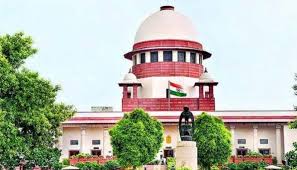
NEW DELHI — In a move that highlights a deepening crisis in India’s medical education system, the Federation of All India Medical Associations (FAIMA) has filed a Public Interest Litigation (PIL) in the Supreme Court of India. The petition calls for the immediate replacement or radical overhaul of the National Testing Agency (NTA) and seeks a court-monitored re-conduct of the NEET-UG 2026 examination. This legal action follows the abrupt cancellation of the May 3 exam on May 12, after allegations surfaced that question paper fragments were circulating on messaging apps prior to the test, affecting more than 2.2 million (22 lakh) medical aspirants across the nation.
A “Systemic Failure” of Trust
The petition, filed through advocate Tanvi Dubey, describes the security breach of the National Eligibility cum Entrance Test (Undergraduate) as a “systemic failure.” FAIMA argues that the NTA has lost the moral and administrative authority to conduct high-stakes examinations that determine the future of India’s healthcare workforce.
The core of the controversy stems from reports that portions of the May 3 question paper matched “guess papers” being traded on encrypted messaging platforms. While the NTA initially faced scrutiny, the escalation to the Supreme Court marks a pivotal moment where the medical fraternity is demanding not just a “re-do,” but a total institutional reset.
Key Proposals for Reform
FAIMA’s petition outlines a rigorous framework to restore the integrity of the selection process:
-
Judicial Oversight: The formation of a High-Powered Monitoring Committee chaired by a retired Supreme Court judge.
-
Technical Expertise: Inclusion of cybersecurity specialists and forensic scientists to audit the examination’s digital and physical trail.
-
Permanent Oversight: The creation of a National Examination Integrity Commission (NEIC) to act as a permanent watchdog for all national-level entrance exams.
Expert Perspectives: Beyond the Immediate Leak
Legal and educational experts suggest that the plea represents a boiling point for long-standing frustrations regarding national testing standards.
“This isn’t just about one leaked paper; it’s about the sanctity of the medical profession,” says one legal commentator tracking the case. “The petition seeks to move from ad hoc damage control to institutional accountability.”
Independent education experts have long advocated for modernized safeguards. These include:
-
Computer-Based Testing (CBT): To eliminate the logistical risks associated with physical paper transport.
-
Digital Locking: Using encrypted question banks that only unlock minutes before the exam begins.
-
Center-Wise Transparency: Publicly releasing performance data to identify statistical anomalies that might indicate cheating hubs.
The Human and Public Health Cost
The fallout of the NEET-UG cancellation extends far beyond classroom walls. For the 2.2 million students involved, the delay introduces a “second wave” of mental health struggles.
The Student Burden
Students who have spent years in rigorous coaching now face a “limbo” period. “The mental fatigue of preparing for the most difficult exam of your life, only to be told it was compromised, is devastating,” explains a Delhi-based career counselor. Families are also facing mounting financial pressures, from extended coaching fees to lost travel expenses for exam centers.
Impact on the Healthcare Pipeline
From a public health perspective, the stakes are even higher. India’s healthcare system relies on a predictable annual intake of medical students.
-
Academic Delays: A significant postponement shifts the entire academic calendar, delaying the graduation of future doctors.
-
Workforce Planning: Hospitals and rural health centers depend on the steady flow of interns and residents. Any disruption in the entry pipeline can ripple into staffing shortages four to five years down the line.
Challenges to Overhaul: The Counterargument
While the demand for a fresh start is loud, some caution against the logistical “nightmare” of replacing the NTA mid-cycle. Critics of an immediate overhaul argue that:
-
Time Constraints: Building a new agency or transitionary body could delay admissions by months, potentially “wasting” an entire academic year for students.
-
Technical Hurdles: Shifting to a full computer-based model for 22 lakh candidates requires infrastructure that may not be uniformly available in remote districts, potentially disenfranchising rural students.
Currently, the Central Bureau of Investigation (CBI) is reportedly investigating the leak. However, definitive forensic findings—which would confirm exactly how the breach occurred—have not yet been made public.
Navigating the Uncertainty: Advice for Aspirants
As the Supreme Court prepares to hear the matter, students and parents are advised to maintain a strategy of informed resilience:
-
Follow Official Channels Only: Rely exclusively on the Ministry of Education, the NTA, or verified court orders. Avoid social media rumors regarding “leaked dates.”
-
Maintain Study Momentum: While difficult, keeping a documented study schedule helps mitigate the “forgetting curve” during the waiting period.
-
Contingency Planning: Keep digital copies of all application materials and stay aware of state-level counseling timelines, as these may shift in response to the national delay.
The Path Forward
The FAIMA petition highlights that no single fix—whether a re-exam or a new app—is a silver bullet. Instead, a “layered defense” involving forensic audits, transparent reporting, and judicial oversight is necessary to rebuild the shattered trust of India’s future doctors.
Medical Disclaimer
Medical Disclaimer: This article is for informational purposes only and should not be considered medical advice. Always consult with qualified healthcare professionals before making any health-related decisions or changes to your treatment plan. The information presented here is based on current research and expert opinions, which may evolve as new evidence emerges.
References
Legal & News Citations:
-
LiveLaw: “After NEET-UG 2026 cancellation, plea in Supreme Court to replace NTA & conduct fresh exam under judicial supervision,” by Tanvi Dubey, May 12, 2026.