 0
0
 0
0
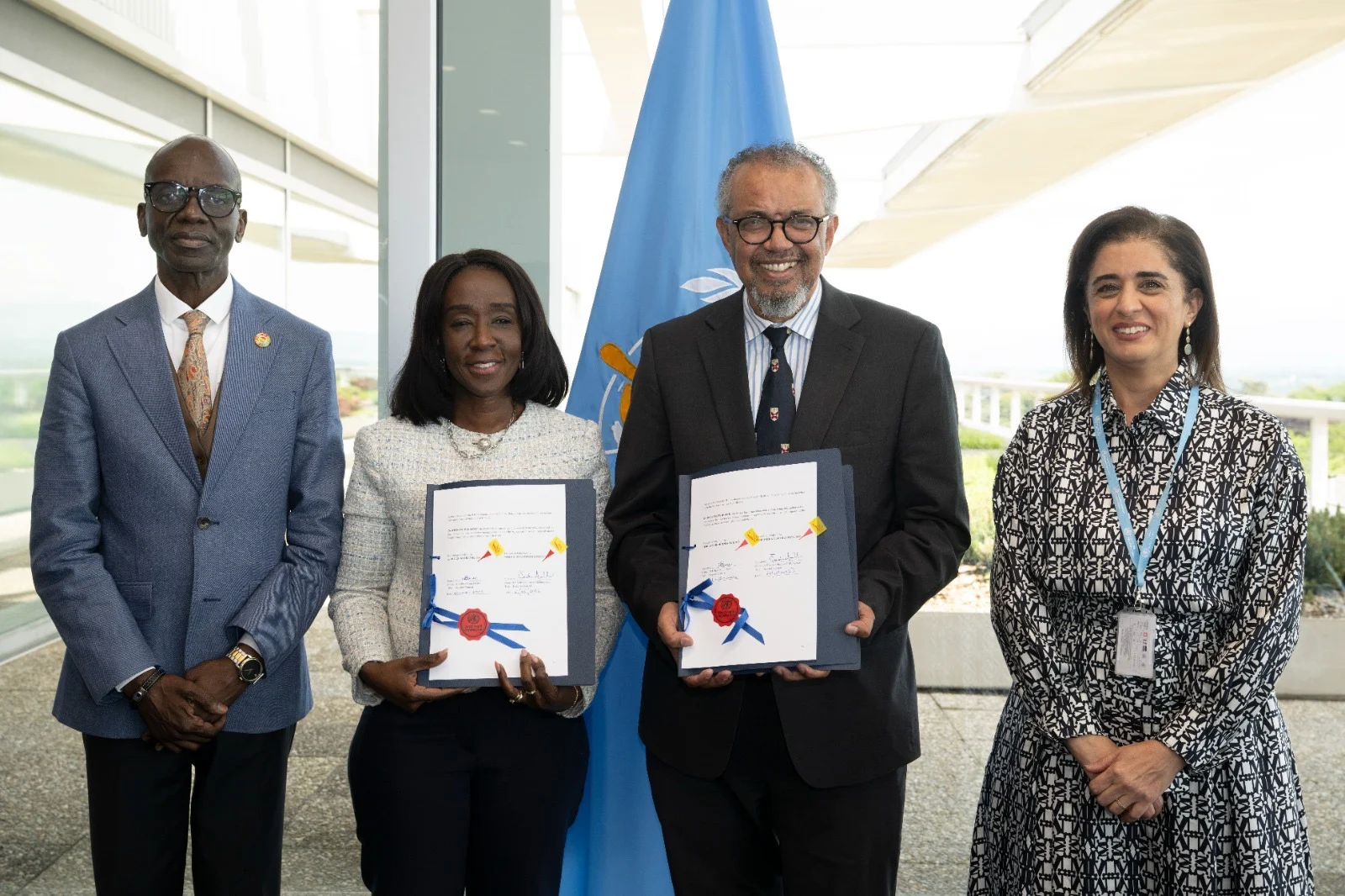
GENEVA — On the sidelines of the Seventy-ninth World Health Assembly (WHA79), the World Health Organization (WHO) and the newly formed African Medicines Agency (AMA) signed a historic Framework Agreement for Collaboration. The treaty establishes a structured partnership designed to unify Africa’s fractured regulatory landscape, combat the rampant spread of counterfeit pharmaceuticals, and drastically cut the red tape that delays life-saving treatments for more than 1.4 billion people.
For decades, getting a new vaccine, cancer therapy, or malaria medication approved in Africa meant navigating up to 54 separate national regulatory agencies. This fragmentation has long disincentivized pharmaceutical innovation on the continent, slowed down emergency pandemic responses, and left vast populations vulnerable to substandard medical supplies. The new WHO-AMA pact aims to dismantle these barriers by establishing a centralized, continental standard for medicine approval and safety surveillance.
Unifying a Fractured System
The core of the agreement relies on regulatory harmonization and “reliance”—a public health strategy where national regulatory authorities utilize the evaluations and approvals of trusted regional or global bodies to accelerate their own local licensing.
Currently, the regulatory capacity across the African continent is highly uneven. According to WHO data, only a small fraction of African nations possess mature regulatory systems capable of comprehensively evaluating and monitoring medicines. The rest rely on limited resources, leading to extensive backlogs.
[Current System: 54 Separate Regulatory Processes]
                       │
                       ▼ (WHO-AMA Framework)
[Unified Continental Standards & Mutual Reliance]
                       │
                       ▼
[Faster Approvals, Lower Costs, and Stronger Safety Net]
By establishing a unified framework, a single approval or data review conducted by the AMA can be trusted and rapidly adopted by member states. This cuts down on duplicate testing, lowers administrative costs for manufacturers, and creates a highly predictable market environment that experts believe will stimulate local African pharmaceutical manufacturing.
Expert Perspectives: A Shield Against Falsified Medicines
Public health leaders not directly involved in the drafting of the framework have expressed cautious optimism, pointing out that the agreement arrives at a critical juncture for continental health security.
“This is a massive structural win for public health,” says Dr. Lawrence Gostin, Director of the O’Neill Institute for National and Global Health Law at Georgetown University. “For too long, Africa has been at the mercy of complex, delayed supply chains and sophisticated international syndicates pushing counterfeit drugs. A unified regulatory front makes the entire continent a harder target for illicit actors.”
The threat of substandard and falsified (SF) medical products is one of Africa’s most pressing silent crises. According to data from the United Nations Office on Drugs and Crime (UNODC), substandard and counterfeit medicines kill an estimated 500,000 people sub-Saharan Africans every year, with fake antimalarials and antibiotics accounting for the majority of these fatalities.
The partnership aims to build a robust continental surveillance network to catch these products before they reach pharmacy shelves.
What the WHO-AMA Treaty Aims to Achieve
-
Accelerated Access: Fast-tracking the approval of critical therapies, vaccines, and diagnostic tools.
-
Harmonization & Reliance: Allowing nations to share data and rely on AMA reviews to eliminate duplicate paperwork.
-
Enhanced Surveillance: Creating a continental watchdog network to identify, report, and seize counterfeit medical goods.
-
Local Production Support: Streamlining standards to encourage the growth of African-based vaccine and drug manufacturing.
The Path Ahead: Hurdles to Continental Success
Despite the optimism surrounding the signing in Geneva, international policy experts warn that treaties on paper do not immediately translate to safety on the ground. The AMA, established as a specialized agency of the African Union, still faces significant operational hurdles.
First, the agency relies on individual African nations ratifying the AMA Treaty and actively funding its operations. While a majority of African Union states have signed the treaty, full financial and political integration across all 54 nations remains a work in progress.
Furthermore, critics point out that regional regulatory bodies often struggle with sovereignty issues. Wealthier nations with more established regulatory systems may be hesitant to cede review authority to a centralized body, while underfunded national agencies may lack the digital infrastructure required to integrate with the AMA’s centralized database.
What This Means for Everyday Healthcare
For the average patient and health-conscious consumer in Africa, the success of this framework will eventually be felt at the local clinic and pharmacy counter.
When regional regulatory systems are unified, the time it takes for a newly discovered drug to transition from global clinical trials to a local village clinic can be cut from several years to just a few months. Increased efficiency also means lower retail costs for essential medications.
Most importantly, it provides a layer of safety. Increased market oversight means that when a consumer purchases an antibiotic or a child receives a routine vaccine, there is a verified, continent-wide apparatus ensuring that the product is exactly what it claims to be.
Over the next three to five years, the joint operational plans rolled out by the WHO and AMA will serve as a critical test. If successful, the African continent will not only secure its own health sovereignty but will also provide a global model for how developing regions can band together to protect public health.
References
Institutional Frameworks & Updates
-
World Health Organization (WHO). (May 21, 2026). WHO and African Medicines Agency launch landmark framework to strengthen access to quality-assured health products in Africa. Departmental Update.
Medical Disclaimer: This article is for informational purposes only and should not be considered medical advice. Always consult with qualified healthcare professionals before making any health-related decisions or changes to your treatment plan. The information presented here is based on current research and expert opinions, which may evolve as new evidence emerges.