 0
0
 0
0
KINSHASA, Democratic Republic of Congo — The Democratic Republic of Congo (DRC) is facing a rapidly escalating public health crisis. Confirmed cases of Ebola virus disease have surged to 1,561, with 506 confirmed deaths recorded as of early July 2026. Public health authorities warn that the virus is outpacing international and local containment efforts across parts of eastern Congo, where the outbreak first emerged in mid-May.
With hundreds of patients currently in isolation or receiving hospital care, the situation has put immense strain on local health infrastructures. The outbreak is currently centered in Ituri province, but it has quickly expanded across multiple provinces and health zones. Epidemiological data from late June and early July indicates some of the highest weekly confirmed transmission rates since the outbreak began, signaling sustained and intense community transmission.
A Difficult Subtype: The Bundibugyo Challenge
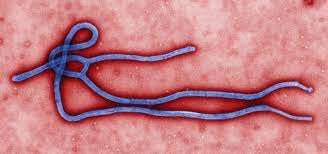
Complicating the response is the specific strain driving the current outbreak. Regional and international health agencies have identified the pathogen as the Bundibugyo virus, a less common species within the Filoviridae family.
Unlike the more frequent Zaire ebolavirus strain—which benefited from the development and deployment of highly effective vaccines and therapeutics during previous West African and DRC outbreaks—there are currently no widely approved vaccines or treatments licensed specifically for the Bundibugyo strain.
“The speed and geographic spread of cases in eastern DRC reflect both intense community transmission and systemic response challenges,” said Dr. Jean-Pierre Mbala, an independent infectious disease epidemiologist not involved in the direct outbreak response. “Without the immediate availability of a licensed vaccine tailored to this strain, containment relies heavily on classic public health interventions: rigorous contact tracing, rapid isolation, and robust community trust.”
The European Centre for Disease Prevention and Control (ECDC) similarly noted that rising case counts across multiple provinces underscore significant gaps in response capacity. The organization emphasized that stabilizing contact follow-up and scaling up isolation facilities are critical to breaking the chains of transmission.
Understanding Ebola Virus Disease (EVD)
Ebola virus disease is a severe, often fatal illness in humans. The virus is transmitted to people from wild animals and spreads through human-to-human transmission via direct contact with the blood, secretions, organs, or other bodily fluids of infected people, as well as with surfaces contaminated with these fluids.
Common Symptoms Include:
-
Sudden onset of fever and fatigue
-
Muscle pain and headaches
-
Vomiting and diarrhea
-
Impaired kidney and liver function
-
In some cases, internal and external bleeding (e.g., oozing from gums, blood in stools)
Without urgent supportive care—such as oral or intravenous rehydration and treatment of specific symptoms—the mortality rate for Ebola outbreaks can be exceptionally high. The Bundibugyo species has caused documented outbreaks in the past, but because it remains less studied than the Zaire strain, evaluating experimental therapeutics or vaccines under emergency protocols in the field requires meticulous scientific and ethical oversight.
Regional Implications and Public Health Strains
The crisis is no longer contained within the DRC’s borders. The outbreak has crossed international lines, with neighboring Uganda reporting confirmed cases linked directly to the DRC transmission chains. Additionally, a small number of imported cases have been documented outside the African continent; however, international health authorities report that these cases have been swiftly isolated and managed by receiving countries, minimizing global risk.
Current Outbreak Snapshot (July 2026)
+------------------------+-------------------------+
| Confirmed Cases        | 1,561                   |
+------------------------+-------------------------+
| Confirmed Deaths       | 506                     |
+------------------------+-------------------------+
| Primary Strain         | Bundibugyo ebolavirus   |
+------------------------+-------------------------+
| Hardest-Hit Region     | Ituri Province, DRC     |
+------------------------+-------------------------+
The rapid escalation highlights an urgent need for enhanced surveillance, faster laboratory processing times, and deep community engagement. However, the frontline response faces severe operational hurdles. Local health systems are overwhelmed and under-resourced. Compounding the danger, reports of labor disputes and threats of industrial action among frontline healthcare workers over hazardous working conditions and pay risk halting critical activities, including contact tracing, safe patient care, and emerging vaccination trials.
International partners are actively stepping in to support local authorities by providing laboratory diagnostics, personal protective equipment (PPE), clinical management guidance, and logistical support. Experts warn that seamless early coordination between global agencies and local health zones is vital to preventing wider regional devastation.
Limitations in Data and Countermeasures
Public health journalists and epidemiologists emphasize that current statistics present an incomplete picture. The official count of 1,561 cases and 506 deaths reflects only laboratory-confirmed infections. Suspected and probable cases are likely much higher, as surveillance gaps and remote terrain mean some community deaths go unrecorded. Because data from rapidly evolving outbreaks inherently lag behind real-time transmission, these numbers represent a conservative snapshot of an evolving crisis rather than a definitive tally.
Furthermore, while experimental treatments and candidate vaccines may be deployed under compassionate use or emergency trial protocols, their efficacy against the Bundibugyo virus remains unproven. Implementing these interventions under field conditions requires balancing scientific rigor with urgent humanitarian need.
Practical Guidance for Readers
For Individuals in Affected Regions
-
Strictly follow local public health directives and cooperate with contact tracers.
-
Seek medical care immediately at a designated treatment center if you or a family member develops a sudden fever, severe fatigue, diarrhea, or vomiting.
-
Avoid contact with the bodily fluids of anyone showing symptoms, and do not participate in traditional burial practices that involve touching the body of a deceased individual.
For International Travelers
-
The immediate risk to the general public outside the affected zones in East-Central Africa remains low.
-
Travel advisories, health screenings, and entry requirements may change rapidly. Consult official guidance from agencies like the WHO, CDC, or ECDC prior to any international travel.
For Clinicians and Healthcare Providers Worldwide
-
Maintain a high index of suspicion for Ebola virus disease in patients presenting with compatible symptoms who have a recent history of travel to the DRC or Uganda.
-
Strictly adhere to established infection prevention and control (IPC) protocols, including proper PPE usage and immediate isolation of suspected cases.
-
Coordinate immediately with local and national public health authorities for diagnostic testing and safe referral pathways.
References
-
Reuters. “Congo says confirmed Ebola cases rise to 1,561, including 506 deaths.” Published July 6, 2026.
Medical Disclaimer: This article is for informational purposes only and should not be considered medical advice. Always consult with qualified healthcare professionals before making any health-related decisions or changes to your treatment plan. The information presented here is based on current research and expert opinions, which may evolve as new evidence emerges.