 0
0
 0
0
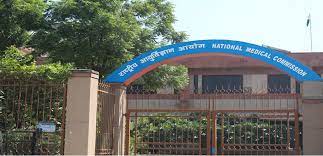
KOCHI — In a legal showdown that could reshape the financial landscape of medical education across India, the National Medical Commission (NMC) has firmly stated before the Kerala High Court that private medical colleges can only collect tuition fees for the 4.5 years of formal academic study. The apex medical regulator maintains that institutions are legally barred from charging tuition fees during the mandatory one-year internship period—a phase dedicated to practical training rather than classroom instruction.
The submission comes amidst an intense, ongoing fee dispute in Kerala that has drawn national attention. While the Kerala High Court has granted an interim stay on an NMC directive seeking immediate refunds for students charged beyond the 4.5-year mark, it has thrust a critical question into the spotlight: Should families pay full tuition for a period when no formal academic teaching takes place? The resolution of this case stands to impact hundreds of thousands of medical aspirants and their families, for whom private medical education is already a monumental financial investment.
The Core of the Dispute: Academic Study vs. Hands-On Internship
The conflict centers on how an undergraduate medical degree is structured. According to the NMC’s landmark Competency-Based Medical Education (CBME) Guidelines and its Graduate Medical Education framework, the Bachelor of Medicine, Bachelor of Surgery (MBBS) program comprises exactly 4.5 years (54 months) of formal academic teaching, followed by a one-year compulsory rotating medical internship.
The NMC argues that because interns are providing service to the hospital rather than sitting in lecture halls, billing them for an additional sixth year is inconsistent with the mandated curriculum.
However, the implementation of this policy has hit a regulatory logjam. In the current Kerala matter, private self-financing medical colleges challenged the regulator’s stance, leading the High Court to issue an interim stay on the NMC’s refund order. For now, the court has allowed select colleges to continue collecting fees fixed by the State Fee Regulatory Committee. This creates a complex jurisdictional puzzle between national directives and state-level fee structures, leaving parents and students caught in the middle of conflicting paperwork.
The Legal and Regulatory Subtext
To anchor its argument, the NMC points directly to the National Medical Commission Act, 2019, which empowers the body to regulate medical education standards and frame guidelines for determination of fees in up to 50% of seats in private medical institutions. Furthermore, the commission has drawn upon historical Supreme Court rulings that strictly prohibit profiteering in professional education, emphasizing that fee structures must remain reasonable, transparent, and non-exploitative.
MBBS PROGRAM STRUCTURE (NMC Framework)
│
├── 4.5 Years (54 Months): Formal Academic & Classroom Teaching ──► [Tuition Fees Chargeable]
│
└── 1.0 Year (12 Months): Compulsory Rotating Medical Internship ──► [No Tuition / Stipend Owed]
Legal experts note that while internship disputes often revolve around stipends rather than tuition, the underlying principle remains the same: an internship is a transition into the workforce. In the notable case Abhishek Yadav v. Army College of Medical Sciences, the Supreme Court ruled that medical interns are entitled to appropriate stipends from their respective institutions. The NMC is leveraging this conceptual separation to argue that if an intern is legally recognized as a service provider entitled to pay, they cannot simultaneously be billed as a student receiving classroom instruction.
Public Health Implications and the Medical Workforce
Beyond the courtroom walls, public health policy experts warn that high medical education costs have severe downstream effects on society. When tuition fees are stretched across 5 or 5.5 years instead of the instructional 4.5 years, it adds lakhs of rupees to an already exorbitant bill.
“When professional education becomes prohibitively expensive, we restrict entry to only the wealthiest segments of society,” says an independent public health policy analyst not involved in the litigation. “Medical workforce diversity isn’t just a metric; it affects patient care. We need doctors from diverse socio-economic backgrounds who are willing to return to and serve underserved communities.”
If the NMC’s 4.5-year cap is ultimately upheld and enforced nationwide, it could significantly lower the baseline cost of an MBBS degree at private universities. This could ease the financial burden on middle-class families and potentially democratize access to medical careers.
Institutional Counterarguments and Limitations
The primary defense from private medical institutions rests on operational realities. Representatives from self-financing colleges argue that their overhead costs—including faculty salaries, state-of-the-art laboratory maintenance, and hospital infrastructure—do not disappear during the internship year. They contend that the total cost of running a five-and-a-half-year program is simply amortized over the duration of the course, and sudden regulatory changes could disrupt their financial viability.
Furthermore, the legal landscape remains fluid. Because the Kerala High Court’s interim orders permit the collection of state-regulated fees for the time being, there is no immediate, nationwide freeze on fee collections. The final legal interpretation will depend heavily on how the courts balance the federal regulatory powers of the NMC against the established state fee regulatory mechanisms.
What Students and Parents Should Do Now
With the legal process still active, medical aspirants and their families must navigate the current admission cycles with heightened vigilance. Legal and educational advisors recommend taking the following practical steps:
-
Scrutinize the Fine Print: Carefully review all admission offers, prospectus documents, and fee circulars. Check if the institution explicitly breaks down fees by semester, year, or instructional duration.
-
Verify Against State Orders: Cross-reference the college’s demand notes with the latest updates from your specific State Fee Regulatory Committee and the official NMC portal.
-
Maintain Meticulous Records: Keep itemized receipts, bank transactions, and written communications regarding all payments made, particularly those concerning the final phases of the course. These will be vital if future court judgments mandate fee adjustments or refunds.
As the Kerala High Court continues its deliberations, the medical community will be watching closely. The verdict will not only resolve a regional fee dispute but will define the financial boundaries of medical training in India for years to come.
Medical Disclaimer
Medical Disclaimer: This article is for informational purposes only and should not be considered medical advice. Always consult with qualified healthcare professionals before making any health-related decisions or changes to your treatment plan. The information presented here is based on current research and expert opinions, which may evolve as new evidence emerges.
References
- https://medicaldialogues.in/health-news/nmc/no-mbbs-fees-beyond-45-years-nmc-exclusively-authorised-to-prescribe-course-duration-frc-can-only-fix-fee-structure-commission-tells-kerala-hc-174297