 0
0
 0
0
May 27, 2026 | Updated 6:30 AM IST
ATLANTA — The U.S. Centers for Disease Control and Prevention (CDC) has issued an urgent call for staff volunteers to support enhanced Ebola screening at major international airports, marking a significant escalation in domestic preparedness. On May 18, 2026, CDC Acting Director Dr. Jay Bhattacharya activated a Level 2 emergency response following confirmation that a growing outbreak in Central Africa is driven by the rare Bundibugyo strain of the Ebola virus. This federal mobilization comes immediately after the World Health Organization (WHO) declared the situation a Public Health Emergency of International Concern (PHEIC) on May 17, warning that the virus had been circulating undetected for weeks before being identified.
While federal health officials emphasize that the immediate risk to the general American public remains extremely low, the containment effort is taking on a regular sense of urgency. The lack of pre-approved vaccines or targeted therapies for this specific viral strain has prompted swift, proactive border controls to prevent international transmission.
The Outbreak by the Numbers
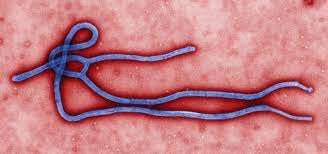
The current crisis traces back to the Mongbwalu Health Zone in the Ituri Province of the Democratic Republic of the Congo (DRC), where local health officials first alerted the WHO on May 5, 2026, regarding a spike in unexplained, high-mortality illnesses. By mid-May, laboratory testing confirmed the presence of the Bundibugyo virus.
As of May 25, 2026, the outbreak has rapidly crossed borders, establishing a foothold in both the DRC and neighboring Uganda.
Current Epidemiological Toll
| Country | Confirmed Cases | Suspected Cases | Heavily Impacted Regions |
| DR Congo | 105 (including 10 deaths) | 906 (including 223 deaths) | Ituri, North Kivu, South Kivu provinces |
| Uganda | 7 (including 1 death) | Multiple (linked to DRC travel) | Kampala (capital city) |
Data Uncertainty Note: Due to severe reporting delays and remote geographic terrain, the WHO acknowledges significant gaps between confirmed cases and reality, noting nearly 600 suspected cases and 139 suspected deaths as early as May 19. This suggests the true footprint of the outbreak is likely much larger than official tables indicate.
What Makes This Outbreak Different?
Public health agencies are treating this situation with heightened scrutiny due to several compounding biological and environmental factors:
-
No Approved Medical Countermeasures: While the medical community successfully developed highly effective vaccines (like Ervebo) and monoclonal antibody treatments during prior epidemics, those interventions specifically target the Zaire strain of Ebola. There are currently no approved vaccines or specific therapeutics for the Bundibugyo strain.
-
The Clinical Baseline: Historically, past outbreaks of Bundibugyo Ebola virus disease (BVD) have exhibited a case fatality rate ranging from 30% to 50%, making it highly lethal, though typically less fatal than the Zaire strain.
-
High Risk to Frontline Workers: At least four healthcare worker fatalities have already been verified in Africa, indicating early gaps in infection prevention and control protocols within regional clinics.
-
Active Conflict Zone: The epicenter in Ituri Province is plagued by severe civil insecurity, which has displaced more than 100,000 people since late 2025. This high population mobility, coupled with booming local mining economies, complicates standard contact tracing.
The CDC’s Multi-Tiered Defense Strategy
By shifting to a Level 2 emergency response designation, the CDC has signaled that its current internal resources are stretched, requiring “substantial additional staffing” to manage the defense operations.
Staffing Call-Out and Entryway Screening
The agency is actively recruiting public health advisers, emergency management specialists, and licensed medical providers from within the federal government. These internal volunteers will be stationed at specialized Port Health Stations. Their primary responsibilities include checking incoming travelers for signs of illness, deploying non-contact infrared thermometers, and managing isolation referrals for symptomatic passengers.
Severe Travel Restrictions Implemented
In tandem with the Department of Homeland Security (DHS), strict border protocols took effect on May 18, 2026:
-
Foreign Nationals: Entry is temporarily suspended for non-U.S. passport holders who have been present in the DRC, Uganda, or South Sudan within 21 days of their scheduled arrival.
-
U.S. Citizens and Permanent Residents: Repatriating individuals who have recently visited these high-risk areas are legally funneled through four designated international airports equipped with specialized containment infrastructure:
-
Washington Dulles International Airport (IAD)
-
Hartsfield-Jackson Atlanta International Airport (ATL)
-
George Bush Intercontinental Airport, Houston (IAH)
-
Understanding Ebola: Transmission and Symptoms
To combat public anxiety, epidemiologists emphasize understanding how the virus operates. Ebola is not an airborne virus. It cannot spread through casual contact, such as breathing the same air or passing someone in a grocery aisle. Instead, it spreads strictly through direct contact with the blood or bodily fluids of an infected, symptomatic individual, or via heavily contaminated surfaces.
[Exposure] ---> [Incubation Period: 2 to 21 Days] ---> [Dry Symptoms] ---> [Wet Symptoms]
The Clinical Progression
The incubation period spans anywhere from 2 to 21 days (averaging 8 to 10 days). Patients are not contagious until they display active symptoms, which progress through distinct stages:
-
Phase 1: “Dry” Symptoms (Days 1–4): Abrupt onset of high fever, severe headache, muscle and joint aches, profound fatigue, and a sore throat. These early indicators frequently mimic common illnesses such as influenza or malaria.
-
Phase 2: “Wet” Symptoms (Days 5 onward): Progression to severe watery diarrhea, continuous vomiting, abdominal pain, and loss of appetite. In advanced cases, patients may exhibit unexplained internal or external bleeding, respiratory distress, confusion, and skin rashes.
Public Health Implications and Practical Advice
“We expect those numbers to keep increasing, given the amount of time the virus was circulating before the outbreak was detected,” stated WHO Director-General Dr. Tedros Adhanom Ghebreyesus during a press briefing. Currently, the WHO ranks the overall risk as high at national and regional levels within Africa, but low at the global level.
For the General Public and Travelers
During a staff briefing, CDC Acting Director Dr. Jay Bhattacharya re-emphasized, “The risk to the general public remains extremely low.” For health-conscious citizens, daily routines do not need alteration, though the following precautions apply:
-
Defer Travel: Avoid all nonessential travel to the affected provinces (Ituri, North Kivu, and South Kivu) in the DRC until further notice.
-
Monitor Health: Anyone returning from the DRC, Uganda, or South Sudan must rigorously monitor their temperature and symptoms for a full 21 days.
-
Proactive Disclosure: If a fever develops post-travel, call your medical provider before arriving at a clinic, explicitly stating your travel history so proper isolation protocols can be readied.
For Healthcare Professionals
Domestic clinical institutions are urged to remain vigilant. Hospitals should immediately implement standard, contact, and droplet precautions for any febrile patient presenting a relevant travel history. While investigational antivirals like obeldesivir and certain antibody candidates are being prioritized for rapid field trials in Africa, meticulous supportive care remains the primary tool for patient survival.
Limitations of Border Screenings
Several epidemiologists point out that border screening is an imperfect safety net. Because Ebola’s incubation period lasts up to three weeks, an infected traveler could easily pass through airport thermal scanners completely asymptomatic, only to fall ill days later inside the country. Furthermore, differentiating early Ebola from a standard seasonal flu based purely on initial “dry” symptoms presents a significant diagnostic hurdle.
Many public health experts argue that domestic funding is always most efficient when deployed directly to the source of the crisis. Recognizing this, the U.S. government is simultaneously directing resources to assist central African ministries of health with field containment, clean water infrastructure, and basic protective gear to stop transmission at its origin.
Medical Disclaimer
This article is for informational purposes only and should not be considered medical advice. Always consult with qualified healthcare professionals before making any health-related decisions or changes to your treatment plan. The information presented here is based on current research and expert opinions, which may evolve as new evidence emerges.
References
- https://www.reuters.com/business/healthcare-pharmaceuticals/us-cdc-seeks-staff-ebola-screening-outbreak-response-expands-2026-05-26/