 0
0
 0
0
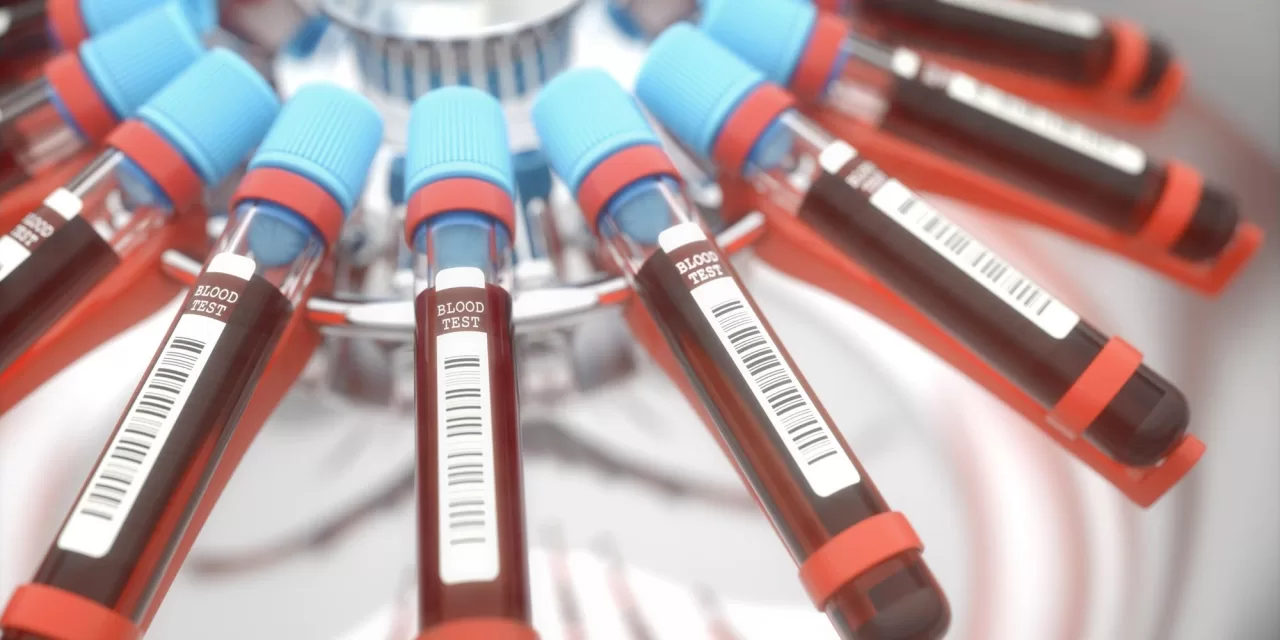
NEW YORK — The Centers for Disease Control and Prevention (CDC) has officially paused diagnostic testing for more than two dozen infectious diseases, including high-priority pathogens like rabies and mpox. The suspension, effective as of late March 2026, has sent ripples through the public health community, with experts highlighting the unprecedented scale of the service interruption.
While federal officials describe the move as a temporary measure tied to a “routine review” of laboratory standards, the pause comes on the heels of a massive agency-wide downsizing. Data suggests that the CDC workforce has shrunk by 20% to 25% over the past year, leaving specialized laboratories—particularly those handling poxviruses and rabies—with nearly half their previous staff.
A Broad Suspension of Services
The list of unavailable tests is extensive, covering both common viral infections and rare tropical diseases. According to the updated CDC Infectious Diseases Laboratory Test Directory, the paused or discontinued services include:
-
Poxviruses: Molecular detection for mpox (formerly monkeypox) and other orthopoxviruses.
-
Rabies: Diagnostic confirmation for suspected human and animal cases.
-
Viral Infections: Epstein-Barr virus (EBV), varicella-zoster virus (VZV), and human herpesviruses 6 and 7.
-
Neglected Tropical Diseases: Testing for schistosomiasis (snail fever), cysticercosis, and Oropouche virus (sloth fever).
“This is not the first time the CDC has paused some of its lab testing,” said Scott Becker, MS, Chief Executive Officer of the Association of Public Health Laboratories (APHL). “But it is pausing more kinds of tests than ever before, and it is not totally clear why. The scale is what makes this unusual.”
The Logic Behind the Pause: Quality vs. Capacity
The U.S. Department of Health and Human Services (HHS) has sought to de-escalate concerns, framing the suspension as a proactive quality-control measure. Andrew Nixon, an HHS spokesperson, stated that the agency is committed to upholding “high-quality laboratory testing” and anticipates many tests will return to service in the coming weeks.
However, the timing is difficult to ignore. The CDC’s laboratory operations have been under intense scrutiny since the early failures of the COVID-19 diagnostic rollout in 2020. Since then, a series of internal reviews aimed to modernize the labs. But the current pause coincides with a period of severe staffing attrition due to layoffs, resignations, and the non-renewal of temporary appointments.
“The poxvirus and rabies labs lost about half their prior staff, and the malaria branch was gutted even more,” reported the National Public Health Coalition, an organization comprised of current and former CDC employees.
Public Health Implications and “The Gap”
For most Americans, the immediate risk remains low, but the logistical hurdles for healthcare providers are significant.
For common conditions like shingles (VZV) or mono (EBV), commercial labs like Quest Diagnostics or LabCorp can easily handle the volume. The real concern lies with “orphan” tests—specialized diagnostics for rare or dangerous pathogens that only the CDC is equipped to perform.
1. The Rabies Risk
Rabies is nearly 100% fatal once symptoms appear. In the U.S., treatment (Post-Exposure Prophylaxis or PEP) is typically started empirically—meaning doctors don’t wait for a lab result if a patient was bitten by a high-risk animal.
“The delay in rabies testing may not change the immediate clinical treatment for a human bite victim,” explains Dr. Sarah Henn, MD, MPH, Chief Health Officer at Whitman-Walker Health. “But it impairs our ability to track which animal populations are carrying the virus, which is essential for local animal control and public safety.”
2. Mpox Surveillance
The U.S. has recorded approximately 370 cases of mpox in the first quarter of 2026. Without federal lab support, the burden of confirmation falls on state labs. If these labs become overwhelmed, the delay in diagnosis could lead to “silent” transmission chains where individuals unknowingly spread the virus while waiting for results.
State Laboratories Step Up
To bridge the gap, the CDC is leaning heavily on state-level infrastructure. Large, well-funded facilities like the Wadsworth Center in New York and the California Department of Public Health laboratories are currently picking up the slack.
“Sending a test request to New York or California does not feel strange to us; we are used to this kind of redundancy,” said Ewa King, PhD, Chief Program Officer at APHL. “However, the capacity of these state labs is considerable, but it is not infinite.”
Experts warn that smaller states with fewer resources may struggle to find alternative testing routes, potentially leading to a “zip code lottery” for diagnostic speed.
What This Means for You
If you or a family member requires specialized testing, here is the current landscape:
-
Commercial Options: For routine viral testing, your doctor will likely use a private commercial lab. These are unaffected by the CDC pause.
-
State Coordination: If you are suspected of having a rare or high-consequence pathogen (like rabies or mpox), your healthcare provider must work with your State Public Health Laboratory to coordinate testing.
-
No Change in Emergency Care: Emergency treatments, such as rabies vaccines after a bite, should not be delayed.
Looking Ahead
The CDC’s “routine review” is expected to conclude for several tests by May 2026. Until then, the public health community remains on high alert. While the agency maintains that this is a temporary pivot to ensure accuracy, the combination of a smaller workforce and a broader testing vacuum has many wondering if the “Gold Standard” of global disease surveillance is beginning to lose its luster.
“It’s concerning only if it becomes permanent,” Becker noted. “If this stretches into months, we lose the ability to see the full picture of infectious disease in this country.”
Reference Section
- https://www.daijiworld.com/news/newsDisplay?newsID=1310885
Medical Disclaimer: This article is for informational purposes only and should not be considered medical advice. Always consult with qualified healthcare professionals before making any health-related decisions or changes to your treatment plan. The information presented here is based on current research and expert opinions, which may evolve as new evidence emerges.