 0
0
 0
0
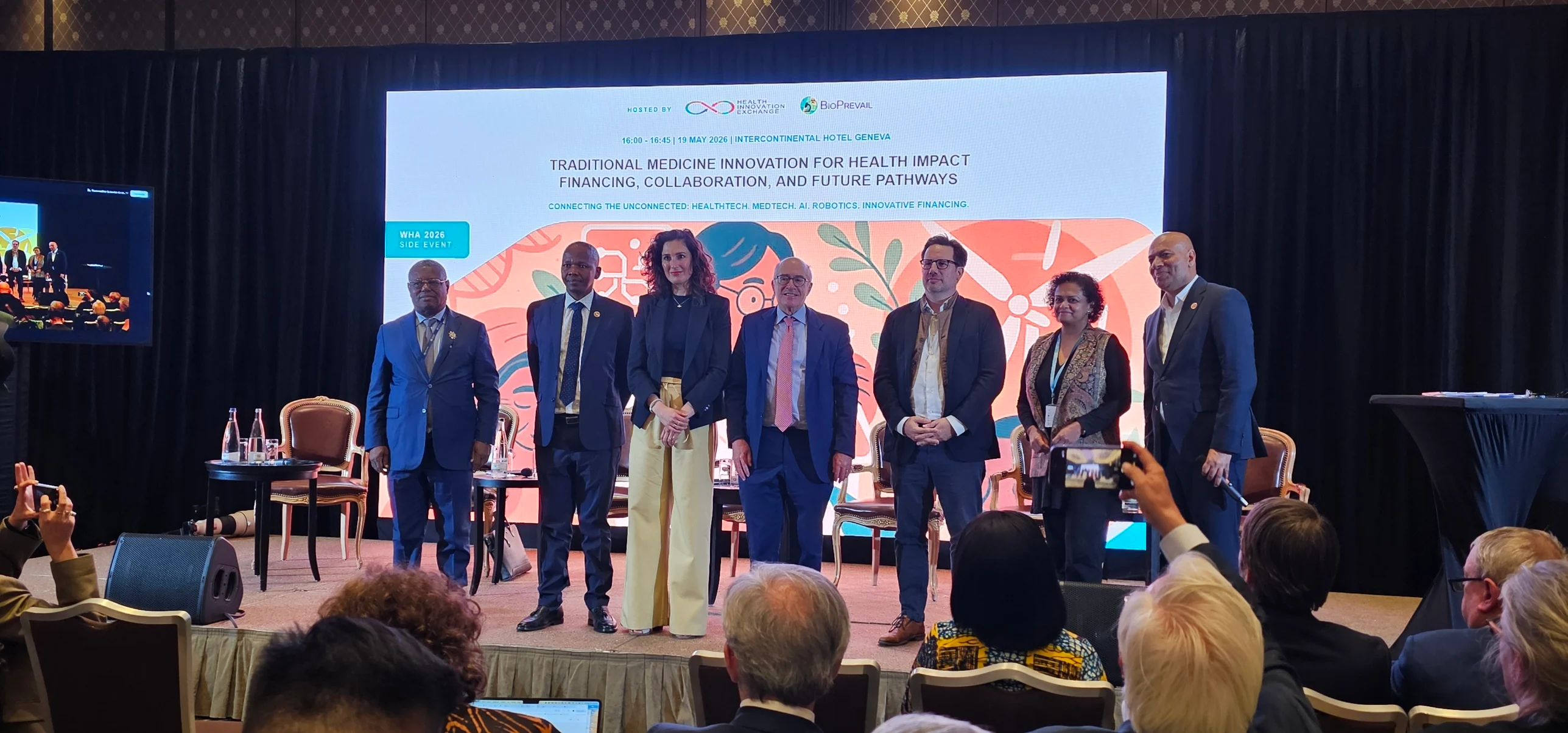
GENEVA — In a move that marks a major shift in global health policy, the World Health Organization (WHO) has placed traditional medicine at the center of international healthcare strategy. At the 79th World Health Assembly (WHA79) held from May 19 to 21, 2026, global health leaders framed the integration of traditional healing practices not merely as a matter of cultural recognition, but as a critical test of health equity, scientific evidence, and planetary health.
The WHO announced that traditional and complementary medicine must no longer be treated as a separate, secondary system. Instead, the agency is calling on governments worldwide to invest heavily in the research, regulation, and biodiversity protections required to safely weave these centuries-old practices into modern, mainstream healthcare systems.
A Global Reality: High Demand, Low Funding
According to a comprehensive new WHO report highlighted at the assembly, traditional medicine is a dominant force in global healthcare. The agency revealed that 90% of member countries report the use of traditional medicine, with utilization rates stretching between 40% and 90% of their respective populations. For billions of people, from rural communities to metropolitan centers, therapies like herbal formulations, acupuncture, and indigenous healing practices are either the first line of defense or a core component of daily well-being.
Despite this widespread reliance, a stark disparity exists in how these treatments are studied. The WHO highlighted that less than 1% of global health research funding is currently directed toward traditional medicine. This massive gap leaves healthcare systems with an uneven foundation of scientific data, despite a soaring public demand.
“We are at a unique juncture,” said Dr. Shyama Kuruvilla, director-in-charge of the WHO Global Traditional Medicine Centre. “Traditional medicine is widely used across the globe, yet it remains significantly underfunded in terms of rigorous research. Closing this gap is essential to unlocking its full, safe potential.”
The discussions at WHA79 were anchored by three major high-level events focusing on financing, youth leadership, and biodiversity, all tied directly to the newly launched WHO Global Traditional Medicine Strategy 2025–2034. The core objective is clear: shift the conversation away from an uncritical acceptance or a blanket dismissal, and move toward rigorous, evidence-based integration.
Grounded in Science: The Rule of Evidence
For health-conscious consumers and medical professionals alike, the WHO’s message establishes an vital guardrail: a remedy should not be assumed safe simply because it has been used for generations, nor should it be rejected out of hand without scientific evaluation.
Dr. Sylvie Briand, WHO Chief Scientist, emphasized that the goal is to “responsibly advance” the field by subjecting traditional therapies to the same stringent standards applied to conventional pharmaceuticals.
“Traditional medicine should neither be dismissed nor accepted uncritically,” Dr. Briand stated. She noted that advancing the field requires strict quality assurance, robust regulation, and continuous evaluation using modern technological tools.
       Traditional Medicine Integration Framework

       [ Scientific Evidence ] ──> Rigorous Clinical Trials
                 │
                 ▼
       [ Regulatory Standards ] ──> Manufacturing & Dosage Controls
                 │
                 ▼
       [ Health System Integration ] ──> Safe Parallel Care with Conventional Medicine
Independent experts not involved in drafting the WHO strategy agree that rigorous oversight is long overdue. Public health specialists note that while plant-based formulations and integrative therapies offer immense potential to improve healthcare access and affordability, they carry hidden risks.
Without standardized manufacturing, active ingredient concentrations can vary wildly from batch to batch. Furthermore, certain natural compounds can cause severe adverse reactions when mixed with conventional prescription drugs, creating a pressing need for robust safety-monitoring systems (pharmacovigilance) and clear referral pathways between traditional practitioners and medical doctors.
Planetary Health: Why Biodiversity is Medical Security
A standout theme of the WHA79 sessions was the deep interdependence between human health and the environment, a concept known as “planetary health.” On May 21, public health experts, botanists, and policymakers gathered to discuss how climate change, deforestation, and land degradation pose a direct threat to medicine.
The WHO noted that a vast majority of traditional remedies rely directly on wild medicinal plants and diverse ecosystems. However, biodiversity loss does more than threaten indigenous healing traditions—it actively stifles modern drug discovery. A large portion of modern pharmaceuticals, including many cancer therapies and cardiovascular drugs, were originally derived from natural products and plant compounds.
“Biodiversity is our starting point,” explained Cristina Romanelli, a WHO consultant specializing in environmental health. “Without healthy ecosystems, we would quite literally have no medicinal plants.”
By framing the issue through the lens of planetary health, the WHO is delivering a dual message: protecting global ecosystems is no longer just an environmental goal; it is a fundamental pillar of global medical security.
What This Means for Your Health Decisions
The shifting status of traditional medicine carries immediate, practical implications for the public. For many individuals, herbal supplements or traditional therapies provide comfort and symptom relief. However, as medical integration moves forward, consumers are urged to practice heightened caution.
-
Consult Your Doctor: Always disclose any traditional or herbal remedies you are taking to your primary healthcare provider. This is especially vital for patients undergoing cancer therapies, individuals managing chronic conditions like diabetes or hypertension, pregnant women, and pediatric care.
-
Beware of Interactions: Natural does not automatically mean harmless. Herbal supplements can interact dangerously with conventional medications, either neutralizing the prescription’s effectiveness or amplifying it to toxic levels.
-
Look for Quality Assurance: Where available, choose traditional products that have been verified by national regulatory bodies to ensure they are free from heavy metals, contaminants, or undeclared synthetic compounds.
Ultimately, the global health community is moving away from an ideological debate of “traditional versus modern.” The future of medicine, as outlined in Geneva, focuses entirely on whether a treatment is safe, effective, affordable, and delivered with respect for local knowledge and scientific truth.
References
-
World Health Organization. “Healing the future: Traditional medicine drives innovation, equity and planetary health at WHA79.” News Release. Published May 22, 2026.
Medical Disclaimer: This article is for informational purposes only and should not be considered medical advice. Always consult with qualified healthcare professionals before making any health-related decisions or changes to your treatment plan. The information presented here is based on current research and expert opinions, which may evolve as new evidence emerges.