 0
0
 0
0
SILVER SPRING, MD — In a major shift for the treatment of advanced gynecologic cancers, the U.S. Food and Drug Administration (FDA) has approved relacorilant (brand name Lifyorli) for patients with platinum-resistant ovarian cancer. This decision, announced on March 25, 2026, introduces a first-in-class selective glucocorticoid receptor antagonist that works by “re-sensitizing” tumors to chemotherapy. The approval offers a new lifeline for patients whose cancer has stopped responding to standard treatments, a stage of the disease that has historically seen little therapeutic progress.
The new therapy is specifically indicated for adults with platinum-resistant epithelial ovarian, fallopian tube, or primary peritoneal cancer. Eligible patients are those who have received one to three prior systemic treatment regimens, including at least one that included the drug bevacizumab.
A New Strategy: Targeting the “Stress” Shield
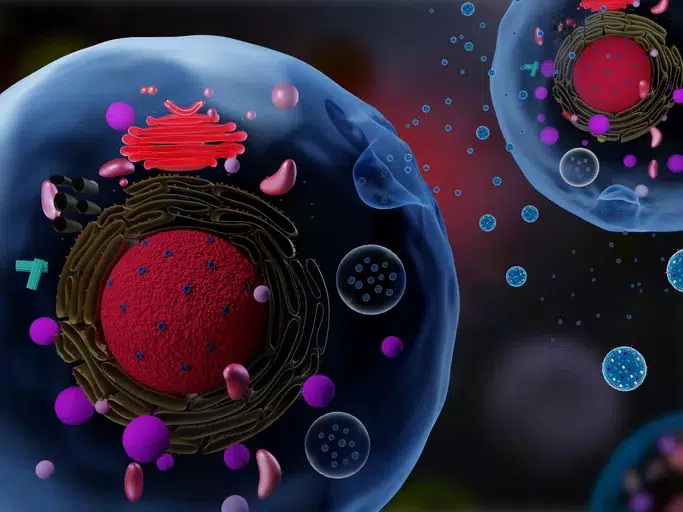
For decades, the primary hurdle in treating recurrent ovarian cancer has been “platinum resistance.” This occurs when cancer cells adapt to survive the toxic effects of standard platinum-based chemotherapies. Researchers discovered that cortisol—the body’s primary stress hormone—actually helps these cancer cells survive by binding to glucocorticoid receptors (GR) and blocking apoptosis, or programmed cell death.
“By activating these receptors, cortisol essentially provides a protective shield for the tumor, allowing it to withstand chemotherapy,” explains Dr. Alexander B. Olawaiye of the University of Pittsburgh School of Medicine and a lead investigator in the clinical trials. “Relacorilant works by stripping away that shield.”
Unlike older, non-selective drugs, relacorilant is a selective glucocorticoid receptor antagonist (SGRA). It competitively binds to these receptors to prevent cortisol from sending survival signals to the cancer, without interfering with other vital hormones like progesterone.
The ROSELLA Trial: Evidence of Extended Survival
The FDA’s decision was underpinned by the results of the pivotal Phase 3 ROSELLA trial, which were published in The Lancet. The study involved 381 patients who were randomly assigned to receive either the combination of relacorilant and nab-paclitaxel or nab-paclitaxel alone.
The findings demonstrated a significant survival advantage for those on the combination therapy:
-
Overall Survival (OS): Patients lived a median of 16 months with the combination, compared to 11.9 months with chemotherapy alone—a 35% reduction in the risk of death.
-
Progression-Free Survival (PFS): The time a patient lived without their cancer worsening improved to 6.5 months from 5.5 months.
Importantly, the drug showed benefit regardless of whether a patient’s tumor expressed high levels of the glucocorticoid receptor, making it a “biomarker-agnostic” option for a broad range of patients.
Safety and Administration
Relacorilant is an oral capsule (150 mg) taken in an “intermittent” schedule designed to maximize its effect on the chemotherapy cycle. Patients take the medication on the day before, the day of, and the day after their weekly infusions of nab-paclitaxel.
However, the treatment does come with specific risks. Because the drug blocks the effects of cortisol, it can cause adrenal insufficiency—a condition where the body cannot produce enough of the hormones needed to respond to stress. It is strictly contraindicated for patients who require systemic glucocorticoids (like prednisone) for lifesaving conditions.
Commonly reported side effects (occurring in >20% of patients) include:
-
Decreased hemoglobin (anemia) and white blood cell counts (neutropenia)
-
Fatigue and nausea
-
Diarrhea and loss of appetite
-
Rash
“The side effect profile is manageable, but it requires diligent monitoring of blood counts,” says Dr. Robert Coleman, a special advisor to the GOG Foundation. “The key is that we are seeing these survival gains without a massive increase in the toxic burden on the patient.”
Impact on Public Health
Ovarian cancer remains the fifth leading cause of cancer-related death among women in the United States. While many patients respond well to initial surgery and chemotherapy, the majority will experience a recurrence. Once the disease becomes resistant to platinum-based drugs, the outlook has traditionally been poor.
The approval of relacorilant marks the first time a drug has successfully targeted the glucocorticoid pathway to combat this resistance. Corcept Therapeutics, the drug’s manufacturer, has indicated they are also investigating relacorilant’s potential in endometrial, cervical, pancreatic, and prostate cancers, suggesting this mechanism may have far-reaching implications across the oncology landscape.
For patients, this represents a shift toward more personalized, biologically-driven medicine. By understanding how the body’s own hormones interact with tumor survival, researchers have finally found a way to turn the lights back on for chemotherapy’s effectiveness.
Medical Disclaimer
This article is for informational purposes only and should not be considered medical advice. Always consult with qualified healthcare professionals before making any health-related decisions or changes to your treatment plan. The information presented here is based on current research and expert opinions, which may evolve as new evidence emerges.
References
https://www.medscape.com/viewarticle/first-glucocorticoid-receptor-antagonist-approved-ovarian-2026a100096f