 0
0
 0
0
LYON, FRANCE — In a world increasingly rattled by converging crises of climate change, ecosystem collapse, and emerging viral threats, global health leaders have reached a definitive conclusion: the health of a human is only as secure as the health of the animal next door and the environment they share.
At the One Health Summit held on April 7, 2026, the “Quadripartite”—a high-level alliance consisting of the World Health Organization (WHO), the Food and Agriculture Organization (FAO), the United Nations Environment Programme (UNEP), and the World Organisation for Animal Health (WOAH)—joined forces with global stakeholders to pivot from theoretical planning to aggressive, on-the-ground implementation of the One Health approach.
The summit, hosted by the French government, served as a call to action against “pandemic risk” and the accelerating degradation of global food systems. “The One Health approach is no longer a choice,” warned Dr. Jeremy Farrar, WHO Assistant Director-General. “It is a strategic imperative in an unstable but increasingly interconnected world.”
Why ‘One Health’ Matters Now
The concept of One Health is not new, but its urgency has reached a fever pitch. Research suggests that approximately 60% of existing human infectious diseases are zoonotic (meaning they jump from animals to humans), and 75% of emerging infectious diseases have an animal origin.
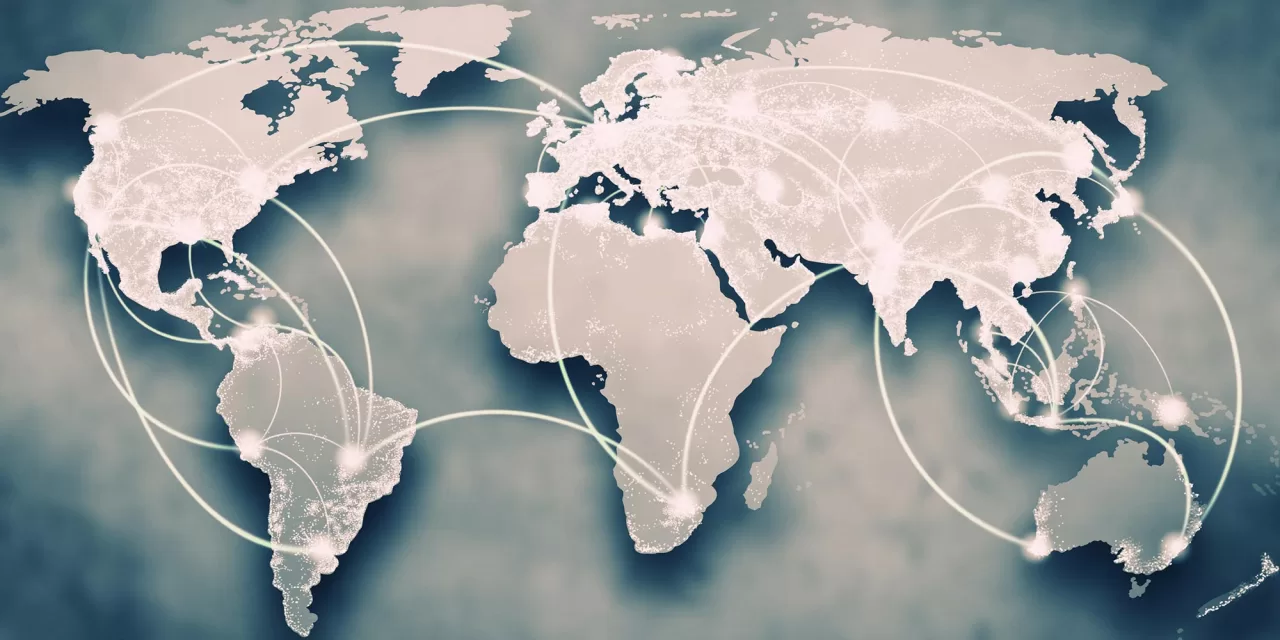
As human populations expand into previously wild areas and climate change shifts the habitats of disease-carrying species, the “buffer zone” between humans and potential pathogens is evaporating. The Lyon Summit addressed this by unveiling five “priority deliverables” designed to bridge the gap between environmental science, veterinary medicine, and human healthcare.
1. A Unified Front Against Avian Influenza
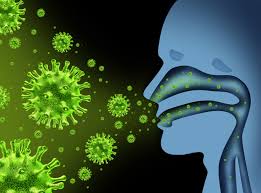
Perhaps the most immediate threat discussed was the spread of highly pathogenic avian influenza (H5N1). Once largely confined to birds, the virus has increasingly been detected in mammals, raising alarms about its potential to adapt for human-to-human transmission.
The Quadripartite introduced a new Strategic Framework for Collaboration on Avian Influenza. This initiative aims to synchronize surveillance across migratory bird paths and poultry farms, ensuring that a flare-up in a remote wetland or a local market is reported to human health authorities instantly.
2. The ‘Beyond Silos’ Initiative
The COVID-19 pandemic revealed a glaring weakness: veterinary labs and animal health experts were often excluded from national emergency responses. The new “Beyond Silos” initiative, led by WOAH, seeks to integrate veterinary services into the core of national pandemic preparedness.
“Strengthening animal health systems could prevent significant economic losses, currently estimated at US$ 300 billion annually,” noted Dr. Emmanuelle Soubeyran, Director General of WOAH. The logic is simple: by catching a virus in the stable or the forest, we prevent it from reaching the hospital ward.
3. Eliminating Rabies by 2030
In a move that serves as a “litmus test” for One Health, the Summit renewed its commitment to eliminating dog-mediated human rabies deaths by 2030. Rabies still claims nearly 60,000 lives every year, many of them children in underserved communities.
Because rabies is 100% preventable through dog vaccination, it serves as a perfect model for how animal-focused intervention directly saves human lives.
The Environmental Missing Link
A significant shift at this year’s summit was the elevated role of the UN Environment Programme (UNEP). For years, the environmental “leg” of the One Health stool was considered the weakest.
“When we degrade ecosystems and pollute the water we drink, we drive the very health crises we then scramble to contain,” said Doreen Robinson of UNEP. Experts at the summit highlighted how deforestation and “hot” climates force animals into closer contact with humans, creating “spillover” opportunities for viruses.
Expert Perspectives: A Reality Check
While the summit’s goals are ambitious, independent experts urge cautious optimism. Dr. Elena Rodriguez, a global health policy researcher not involved in the Quadripartite (speaking on the general state of One Health), notes that funding remains the primary hurdle.
“The science is sound—preventing a disease at its animal source is far cheaper than treating a human pandemic,” Rodriguez says. “However, the challenge lies in ‘whole-of-government’ cooperation. Getting a Ministry of Agriculture to share a budget with a Ministry of Health is historically difficult.”
Furthermore, some critics argue that the 2030 rabies goal is overly optimistic without a massive surge in infrastructure investment in rural Africa and Southeast Asia.
What This Means for You
For the average citizen, the One Health Summit might feel like high-level diplomacy, but its implications hit close to home:
-
Food Security: Better monitoring of animal diseases means more stable food prices and safer meat and dairy products.
-
Local Wildlife: Awareness of “spillover” risks encourages more responsible interactions with wildlife and pets.
-
Future Safety: Integrated surveillance acts as a “smoke detector” for the next pandemic, potentially preventing the lockdowns and healthcare collapses seen in recent years.
The Path Forward
The Summit concluded with a call for governments and donors to treat One Health not as a “niche medical topic” but as a pillar of national security. As global risks intensify, the message from Lyon was clear: we either protect the health of the planet and its animals, or we continue to pay the price in human lives and economic stability.
Reference Section
Primary Source:
Medical Disclaimer: This article is for informational purposes only and should not be considered medical advice. Always consult with qualified healthcare professionals before making any health-related decisions or changes to your treatment plan. The information presented here is based on current research and expert opinions, which may evolve as new evidence emerges.