 0
0
 0
0
NEW YORK — In a major breakthrough for neurodevelopmental research, a massive international study has identified at least two distinct biological subtypes of autism spectrum disorder (ASD). Published in Nature Neuroscience, the study reveals that these subtypes are defined by unique patterns of brain connectivity and deeply rooted molecular mechanisms. Led by the Italian Institute of Technology (IIT) and the Child Mind Institute in New York, researchers analyzed the brain scans of 940 autistic individuals alongside more than 1,000 neurotypical controls. The findings show that approximately 25% of individuals on the autism spectrum fall into these two highly reproducible biological categories, offering a long-sought roadmap toward personalized care and mechanism-guided therapies.
Decoding the Brain: Hyperconnectivity vs. Hypoconnectivity
For decades, clinicians and families have grappled with the immense diversity of the autism spectrum. Because autism is currently diagnosed entirely through behavioral observations—such as difficulties with social interaction, communication challenges, and repetitive behaviors—it has been incredibly difficult to determine why therapies work well for some individuals but not for others.
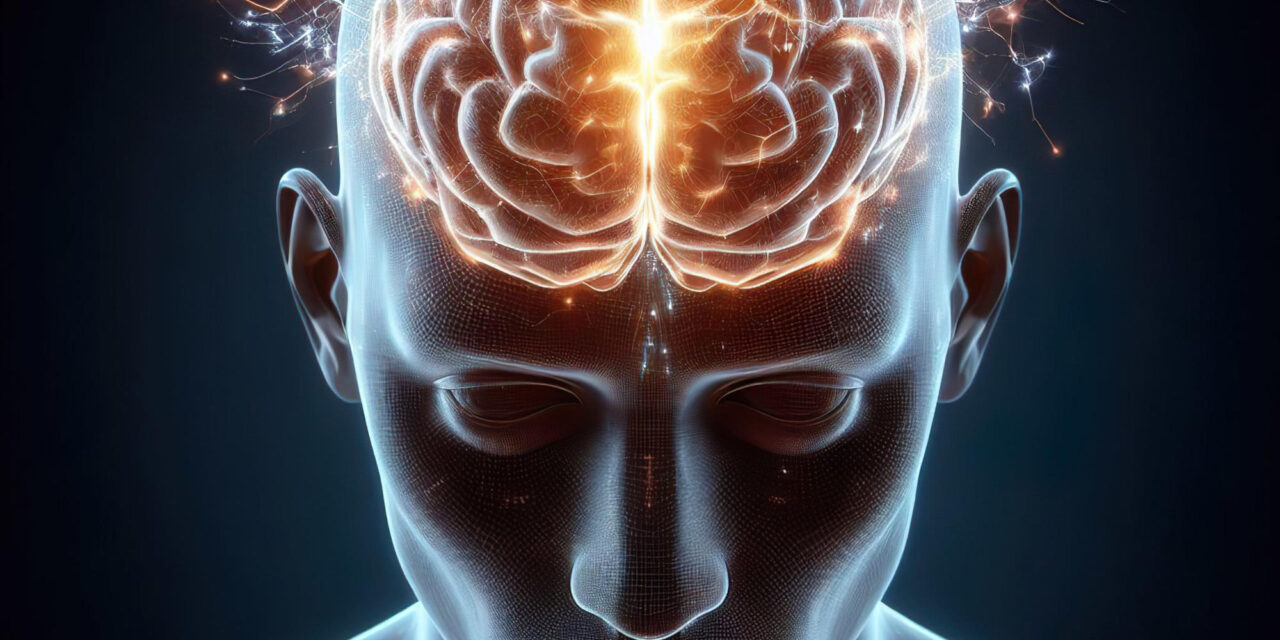
By utilizing functional magnetic resonance imaging (fMRI), which maps blood flow to measure brain activity, the research team discovered two mirror-image connectivity profiles.
| Autism Subtype | Brain Connectivity Pattern | Underlying Biological Pathway | Clinical Characteristics |
| Hypoconnectivity | Reduced communication between distinct brain regions | Synaptic pathways (the microscopic junctions where neurons communicate) | Noticeable deficits in structural connectivity; typical autism severity scores. |
| Hyperconnectivity | Increased, hyper-active communication across brain networks | Immune-related systems and inflammatory pathways | Scored moderately higher on standardized behavioral autism severity measures. |
Combined, these two sub-groups account for roughly a quarter of the autistic participants analyzed in the dataset. The remaining 75% of individuals displayed highly varied connectivity patterns, suggesting that the spectrum holds several other biological sub-types waiting to be uncovered.
Finding a Biological “Rosetta Stone”
What sets this study apart from previous neuroimaging projects is its innovative “cross-species” approach. Historically, brain imaging studies on humans could show where brain connectivity differed, but they could not explain why on a cellular level. To bridge this gap, the international research team first analyzed functional brain connectivity across 20 distinct genetic mouse models of autism.
“For decades, we’ve observed tremendous variability in how autism manifests, but we lacked direct evidence that these differences reflected distinct underlying biology,” said Dr. Alessandro Gozzi, PhD, study co-lead and director of the Center for Neuroscience and Cognitive Systems at the Italian Institute of Technology.
By mapping the mouse brains, the scientists discovered specific cellular mechanisms associated with unique scanning signatures. They then searched the human fMRI databases for those exact signatures.
“The mouse models gave us a biological ‘Rosetta Stone,'” explained Dr. Adriana Di Martino, MD, founding director of the Autism Center at the Child Mind Institute. “We could see which biological pathways drive which connectivity signatures, then search for those same patterns in humans.”
The cross-species translation proved remarkably accurate. Human tissue data confirmed that the brain regions displaying hypoconnectivity were heavily enriched with genes responsible for synaptic functions. Conversely, human brain networks showing hyperconnectivity were tightly linked to immune-system genes and inflammation-related biological pathways.
The Global and Regional Burden of Autism
The push for clearer biological markers comes at a time when autism diagnoses are rising globally, placing a significant emphasis on early screening and robust caregiver support systems. According to data from the U.S. Centers for Disease Control and Prevention (CDC), an estimated 1 in 36 children in the United States are identified as being on the autism spectrum.
The condition carries a substantial public health footprint globally. A comprehensive analysis from the Global Burden of Disease Study highlights that while autism is non-fatal, its high prevalence and the lifelong support it often requires present a massive, non-fatal health burden for individuals under the age of 20, as well as their caregivers.
In India, rigorous epidemiological data highlights the vast geographic and socio-economic diversity of the condition. Peer-reviewed data indicates an overall estimated prevalence of roughly 1 in 100 children under the age of 10 nationwide. However, this average masks significant regional variation: rates range from 0.4% in the coastal state of North Goa to as high as 1.8% in the rural, north-central region of Palwal. This variance underscores the urgent need for scalable, objective diagnostic toolsets that can function effectively across different healthcare environments.
Shifting from Behavior to Precision Medicine
The ultimate goal of identifying these neurosubtypes is to transition autism support away from a “one-size-fits-all” model and move toward precision medicine—an approach that uses objective biological tests to predict which specific therapeutic interventions will benefit an individual.
“Brain-based biological markers reveal distinctions that current behavioral assessments don’t fully capture,” noted Dr. Di Martino.
Currently, behavioral interventions are the gold standard for autism care, as existing pharmaceutical medications only manage co-occurring symptoms (such as anxiety or sleep disturbances) rather than core neurodevelopmental features. By anchoring subtypes in specific biological pathways, scientists can now design stratified clinical trials.
For example, a child identified with the immune-related hyperconnectivity subtype might respond favorably to entirely different medical or behavioral therapies than a child whose autism is driven by synaptic-related hypoconnectivity.
Study Limitations and Conflicting Views
While independent experts have praised the study as a transformative step toward personalized neurodevelopmental care, they also caution against premature medical claims.
A primary limitation is that these two subtypes represent only 25% of the study’s population. This means the vast majority of autistic individuals (75%) do not fit cleanly into either category. Furthermore, the wider scientific community has put forward alternative subtyping methods. For instance, a notable 2023 brain study identified four distinct autism subtypes based on separate behavioral and neural activity metrics, while a 2025 structural study divided individuals into two neurosubtypes based on variations in intelligence quotient (IQ) scores.
These differing frameworks suggest that mapping the human brain is an ongoing puzzle, and multiple overlapping classification systems may turn out to be valid. Clinicians emphasize that while neuroimaging technology is advancing rapidly, intensive early behavioral interventions remain the absolute cornerstone of autism care and drastically improve long-term outcomes.
What This Means for Families and Providers
For families navigating an autism diagnosis, this research offers profound validation. It proves that the distinct behavioral traits, strengths, and challenges seen in children are not random; they are hardwired into unique brain biology. In the future, an autism evaluation may very well include a safe, non-invasive fMRI brain scan alongside traditional behavioral observations to provide a more tailored roadmap for support.
For healthcare providers, the fact that these subtypes were replicated across dozens of independent global research sites through the Autism Brain Imaging Data Exchange (ABIDE) provides the rigorous statistical validation required for eventual clinical application. While everyday clinical use may still be years away, the integration of biological markers promises to fundamentally change how the medical community understands, speaks about, and supports the autism spectrum.
Medical Disclaimer
This article is for informational purposes only and should not be considered medical advice. Always consult with qualified healthcare professionals before making any health-related decisions or changes to your treatment plan. The information presented here is based on current research and expert opinions, which may evolve as new evidence emerges.
References
- https://health.economictimes.indiatimes.com/news/industry/study-identifies-two-distinct-subtypes-of-autism/131460197?utm_source=top_story&utm_medium=homepage