 0
0
 0
0
DHAKA — A deepening measles outbreak in Bangladesh has reached a critical juncture this week as a severe shortage of diagnostic kits has crippled the country’s ability to track the virus. With thousands of patient samples backlogged and child deaths mounting, public health officials warn that the true scale of the epidemic remains dangerously obscured.
According to reports from the Directorate General of Health Services (DGHS) released on May 7, 2026, seven children died within a single 24-hour window. While two deaths were laboratory-confirmed as measles, five others involved children exhibiting “measles-like” symptoms who passed away before their status could be verified. The crisis has forced the nation’s primary testing facility to operate at a fraction of its capacity, leaving health workers to fly blind against one of the world’s most contagious pathogens.
The Testing Bottleneck
At the heart of the diagnostic failure is the Institute of Public Health (IPH), Bangladesh’s sole government laboratory dedicated to measles and rubella testing. While the facility is designed to process several hundred samples daily, officials confirm that the kit shortage has throttled output to just 100 to 130 samples per day.
The consequences of this logistical breakdown are stark:
-
A massive backlog: More than 5,000 samples are currently awaiting testing.
-
Delayed intervention: Without confirmation, local health clusters cannot be identified quickly enough to trigger targeted ring vaccinations.
-
Underreporting: Experts fear the official case count represents only a small sliver of the actual transmission occurring in densely populated urban centers and rural districts.
“A shortage of test kits does not just slow down a laboratory; it paralyzes the entire public health response,” says Dr. Ariful Islam, a public health surveillance specialist (not involved in the IPH reporting). “When you can’t see where the virus is moving, you can’t get ahead of it. We are essentially fighting a fire while wearing a blindfold.”
Why Measles Remains a Lethal Threat
Despite a common misconception that measles is a routine childhood rite of passage, the World Health Organization (WHO) and the U.S. Centers for Disease Control and Prevention (CDC) emphasize that the virus is a significant cause of morbidity and mortality.
The virus works by causing a systemic infection that can lead to:
-
Pneumonia: The most common cause of measles-related death in children.
-
Encephalitis: Swelling of the brain that can lead to permanent neurological damage or blindness.
-
Immune Amnesia: A unique phenomenon where the measles virus “erases” the body’s memory of other diseases, leaving children vulnerable to other infections for months or years after recovery.
The WHO estimates that while vaccination prevented nearly 59 million deaths globally between 2000 and 2024, the disease still claimed approximately 95,000 lives in 2024 alone—the majority being children under the age of five.
A Regional and Global Warning Sign
The situation in Bangladesh mirrors a broader global trend. In late 2025 and early 2026, the WHO reported a resurgence of measles in multiple regions, driven primarily by “immunity gaps”—pockets of the population that missed routine vaccinations during periods of vaccine hesitancy or supply chain disruptions.
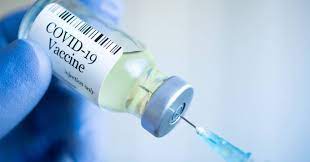
In response to the current surge, Bangladesh launched an emergency vaccination campaign in April 2026, targeting 1.2 million children aged 6 months to 5 years in high-risk districts. While fresh vaccine shipments arrived in Dhaka this week, the diagnostic gap remains the weakest link in the chain.
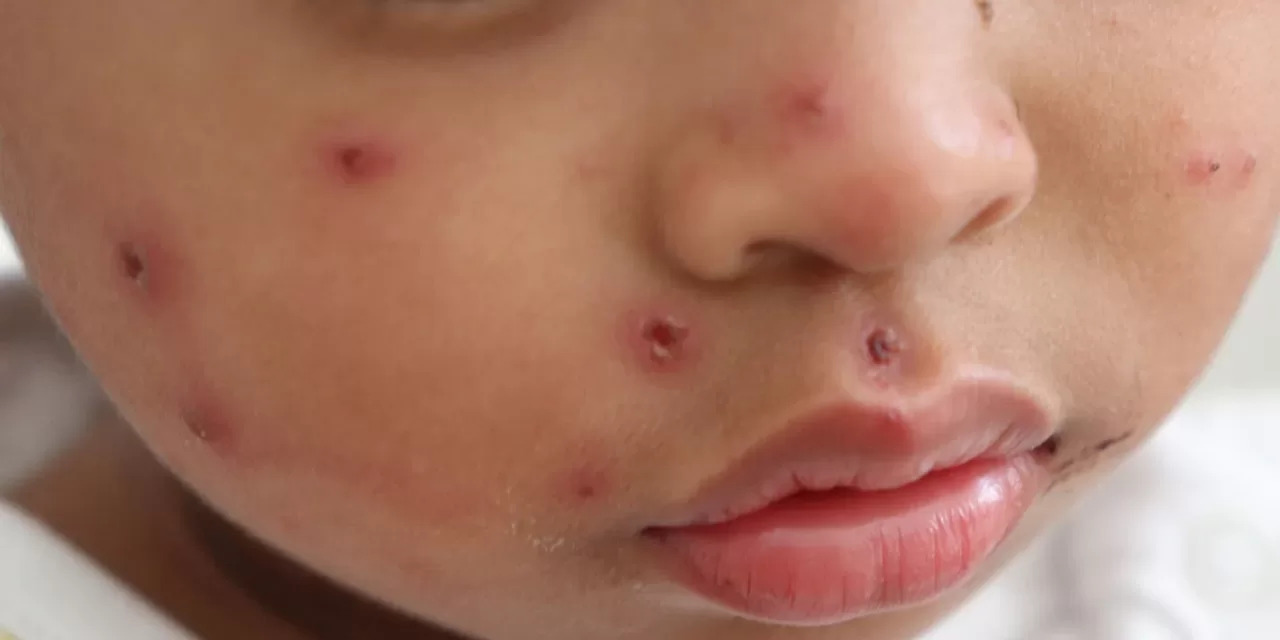
Health authorities have indicated that the WHO regional office in Delhi is expected to expedite the delivery of new testing kits. In the interim, the DGHS has instructed clinicians to rely on “clinical diagnosis”—identifying the disease through its classic hallmarks: high fever, cough, runny nose, red eyes (conjunctivitis), and the characteristic maculopapular rash.
Limitations of the Data
Journalistic objectivity requires noting the uncertainties currently facing the medical community in Dhaka. Because of the testing backlog, many “measles-like” deaths have not been laboratory-confirmed. It is possible that some of these fatalities are due to other respiratory or febrile illnesses, such as rubella or severe influenza, which can mimic early measles symptoms.
Furthermore, current case counts are likely an underestimation. Until the 5,000 pending samples are processed, the statistical data remains a “trailing indicator,” reflecting the state of the outbreak from weeks ago rather than its current trajectory.
What This Means for Families
For the general public, the primary takeaway is the urgency of prevention. Public health experts stress that the measles-rubella (MR) vaccine is the only effective defense.
-
Check Records: Parents should ensure children have received both doses of the MR vaccine.
-
Recognize Symptoms: If a child develops a high fever accompanied by a rash that begins on the face and spreads downward, they should be isolated immediately, and medical care should be sought.
-
Adult Vulnerability: Adults who were never vaccinated or never had the disease as a child may also be at risk and should consult a physician regarding their immunity status.
As Bangladesh waits for its diagnostic capacity to return to full strength, the focus remains on closing the immunity gap. In the words of a WHO spokesperson during the April campaign launch: “Measles is a heat-seeking missile for the unvaccinated. Every day the testing kits are delayed, the missile has a clearer path.”
Medical Disclaimer: This article is for informational purposes only and should not be considered medical advice. Always consult with qualified healthcare professionals before making any health-related decisions or changes to your treatment plan. The information presented here is based on current research and expert opinions, which may evolve as new evidence emerges.
References
-
News On Air. “Bangladesh faces worsening measles outbreak as shortage of diagnostic kits disrupts testing.” May 7, 2026.