 0
0
 0
0
HYDERABAD — Telangana now records the highest rate of cesarean section (C-section) deliveries in India, with an astonishing 62.2% of all births occurring via surgical intervention, according to the newly released National Family Health Survey-6 (NFHS-6) data. The comprehensive public health data highlights a sharp divide within the state’s healthcare machinery: while government hospitals have managed to hold C-section rates below the halfway mark at 48.1%, private facilities report a staggering 83.9% surgical delivery rate. Essentially, nearly 84 out of every 100 babies born in Telangana’s private hospitals are delivered via surgery—a trend that continues to intensify despite years of intense state-sponsored campaigns promoting natural childbirth.
A Widening Disparity in the Delivery Room
The fresh NFHS-6 metrics paint a clear picture of a healthcare system increasingly reliant on major surgery for childbirth. Telangana vastly outpaces the national private-sector average of 54.1% and leaves neighboring Andhra Pradesh behind, where private facility surgical rates sit at 66.2%. Nationally, Telangana ranks third for private hospital C-sections, eclipsed only by Jammu and Kashmir at 90% and West Bengal at 87.7%.
| Facility Type | C-Section Rate (NFHS-6) | Change from NFHS-5 |
| Private Hospitals | 83.9% | +2.4 percentage points |
| Government Hospitals | 48.1% | +3.6 percentage points |
| State Overall | 62.2% | Highest in India |
| National Private Average | 54.1% | Telangana far exceeds |
Public health researchers warn that this trajectory signals a deep structural issue. While public hospitals are showing some resilience due to strict oversight, the private sector’s numbers indicate that surgical delivery has effectively become the baseline norm rather than an emergency exception.
Beyond Medical Necessity: The Non-Clinical Drivers
From a purely medical standpoint, some rise in surgical intervention is expected. High-risk pregnancies, delayed motherhood, and advanced corporate fertility treatments like IVF naturally require cesarean deliveries to protect both parent and child. However, clinical necessity alone cannot account for an 84% surgery rate.
Instead, public health experts point to an intricate web of commercial, structural, and cultural incentives driving the numbers upward:
-
Financial Dynamics: Surgical deliveries generate significantly higher revenue for private facilities and physicians compared to normal, time-intensive vaginal births.
-
Convenience and Scheduling: A scheduled cesarean fits cleanly into predictable hospital timetables and physician shift schedules, eliminating the unpredictable 12-to-24-hour labor window.
-
Defensive Medicine & Risk Counseling: Some private providers tend to overemphasize or exaggerate the risks of natural labor to anxious families, subtly guiding them toward a controlled surgical environment.
-
The “Muhurtam” Factor: A unique cultural driver in India involves families requesting surgical deliveries to align their child’s birth with an astrologically auspicious time or muhurtam.
-
Tokophobia (Fear of Labor Pain): An increasing anxiety surrounding the pain of natural labor, coupled with limited access to labor analgesia (epidurals) in many mid-tier facilities, makes a scheduled surgery highly appealing to expectant parents.
A recent analysis published in PLOS One estimated that 8.4% of all deliveries in Telangana involved entirely preventable C-sections conducted without a single recognized clinical indication. This aligns with landmark research from the Indian Institute of Management-Ahmedabad (IIM-A), which calculated that roughly 900,000 “preventable,” non-indicated C-sections occur annually in private hospitals across India, largely pushed by systemic and financial incentives.
The Public Health Calculus: The WHO Benchmark
The World Health Organization (WHO) has maintained a clear global consensus since 1985: the optimal C-section rate for any given population sits strictly between 10% and 15%.
[WHO Ideal Rate: 10-15%] <==================== [Telangana State Average: 62.2%]
When a region’s rate climbs toward 10%, maternal and neonatal mortality rates visibly drop because life-saving surgeries are reaching those who genuinely need them. However, when the state-wide rate passes 15%, there is zero scientific evidence showing that maternal or infant outcomes improve. At 62.2%, Telangana’s state average is more than four times the upper limit of the WHO recommendation, pointing squarely to a systemic overuse of surgical interventions.
The Invisible Toll: Weighing the Surgical Risks
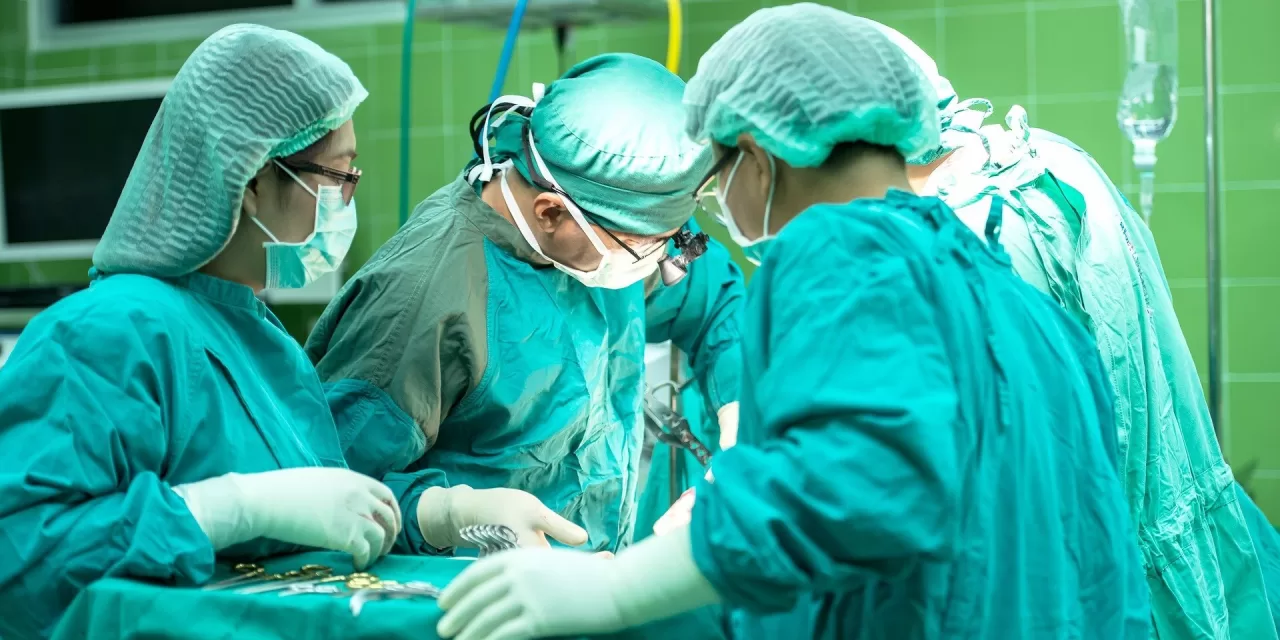
While a C-section is a vital, life-saving tool when a laboring parent faces complications like placenta previa or fetal distress, performing it unnecessarily exposes both mother and newborn to avoidable medical risks.
Major abdominal surgery carries inherent short- and long-term consequences that require careful consideration. For mothers, it brings an increased risk of postpartum infection at the incision site or within the uterine lining, significantly prolonged recovery timelines, and heightened risks in subsequent pregnancies—including uterine rupture or life-threatening placental abnormalities like placenta previa.
For newborns, surgical delivery can lead to a higher incidence of transient tachypnea (respiratory distress or breathing issues) due to missing the natural fluid-clearing compression of the birth canal. It also frequently causes lower initial birth weights and a documented delay in the initiation of early breastfeeding, which is crucial for neonatal immunity.
Policy Pushback: The Government Crackdown
Acknowledging the crisis, the Telangana State Health Department has deployed several regulatory measures. The state introduced mandatory C-section audits in hospitals and took the aggressive step of withdrawing the ₹11,000 Aarogyasri insurance incentive for cesareans performed in private facilities.
Conversely, the state launched Team-Based Incentives (TBI) in public hospitals to reward staff for successfully managing safe, normal deliveries. This public sector strategy yielded immediate fruit, pushing normal delivery rates in select government facilities from 56% to 60% within a single month of rollout.
Telangana Health Minister Damodar Raja Narasimha issued a direct mandate to health officials to intensify inspections of private establishments. Under the state’s Clinical Establishments Act, private facilities found performing surgical births without clear, documented medical justifications face severe penalties, up to and including the cancellation of their operating licenses.
Furthermore, the state is expanding professional midwifery training programs across government nursing colleges to create a robust layer of specialized labor support, which global data shows naturally lowers surgical intervention rates.
Deep Geographic Fractures
The C-section crisis does not manifest uniformly across Telangana, exposing massive regional disparities in health infrastructure.
According to a report by the Comptroller and Auditor General (CAG) of India focusing on the state’s public health grid, rural and semi-urban districts like Peddapalli saw their overall C-section rates climb to a staggering 80%. Meanwhile, highly urban centers like Hyderabad and Rangareddy managed to log significantly lower averages, hovering between 40% and 44%. Public health experts suggest that rural areas often suffer from a shortage of round-the-clock obstetricians and anesthetists capable of monitoring prolonged natural labors, leading to preemptive surgical interventions.
The Path Forward: Stronger Accountability
Public health advocates stress that punitive measures alone will not reverse the trend. Structural transparency must become the standard rule.
“Reducing high C-section rates requires better antenatal counseling, supportive care during labor, clear communication between doctors and mothers, adherence to medical guidelines, and regular monitoring, especially in busy hospitals,” notes Angel Sudha V, a prominent public health researcher at the Institute of Public Health (IPH), Bengaluru.
Experts are calling for a multi-pronged regulatory framework:
-
Public Disclosures: Making it mandatory for all hospitals to publicly display their monthly institutional C-section rates.
-
Third-Party Audits: Implementing independent medical audits of private hospital case sheets to verify clinical indications.
-
Informed Consent Standards: Standardizing antenatal counseling so families are fully aware of both the benefits and long-term implications of surgical versus vaginal births.
What This Means for Expectant Parents
If you are planning a family or are currently pregnant in India, this data serves as an important reminder to be an active participant in your healthcare journey. It highlights the value of choosing a delivery provider early and discussing your birth preferences well in advance.
Do not hesitate to ask direct questions about your provider’s institutional C-section rate, and ensure they have a dedicated policy supporting trial of labor. If a surgical delivery is recommended during your third trimester without an acute emergency, seeking a qualified second opinion can provide valuable clarity. Understanding the distinction between a medically necessary intervention and a logistical convenience is the most powerful tool you have to protect your long-term health and the health of your child.
Medical Disclaimer
This article is for informational purposes only and should not be considered medical advice. Always consult with qualified healthcare professionals before making any health-related decisions or changes to your treatment plan. The information presented here is based on current research and expert opinions, which may evolve as new evidence emerges.
References
Study Citations
- https://health.economictimes.indiatimes.com/news/industry/telangana-tops-nation-in-c-section-deliveries-private-hospitals-drive-numbers/131494170?utm_source=latest_news&utm_medium=homepage