 0
0
 0
0
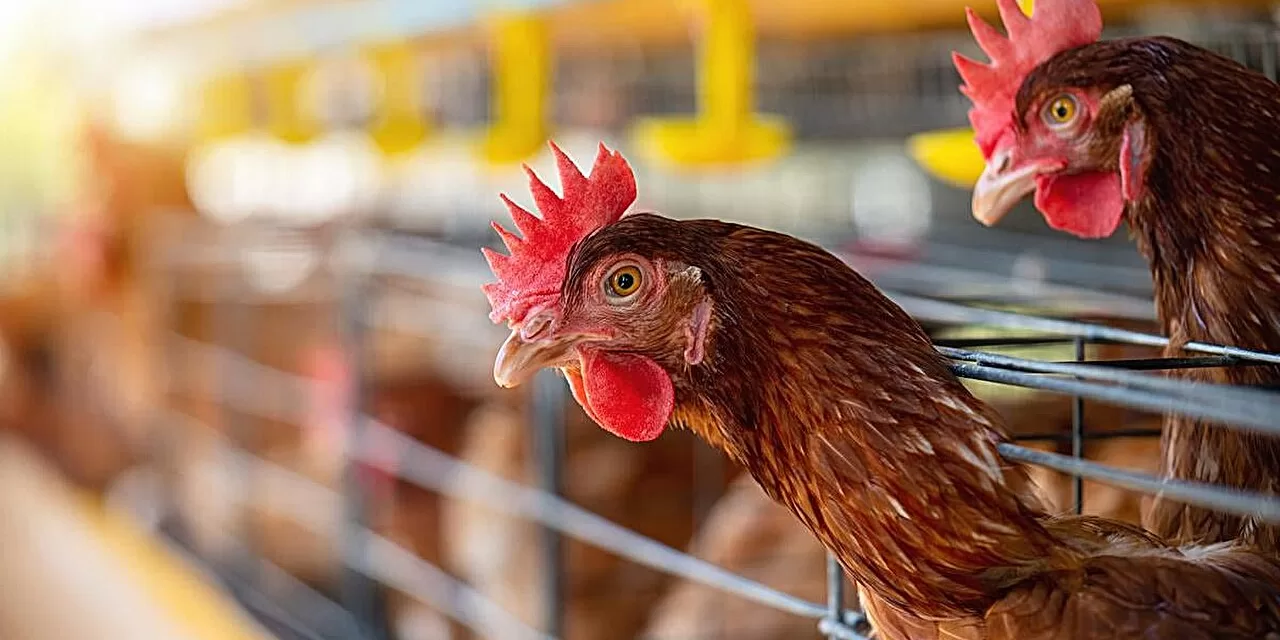
BILASPUR, CHHATTISGARH — Health and veterinary authorities in Chhattisgarh have launched an intensive containment operation following a confirmed outbreak of Highly Pathogenic Avian Influenza (HPAI) at a state-run poultry farm. Since the official confirmation on March 24, 2026, rapid response teams in the Koni area of Bilaspur have culled over 22,000 birds and established strict surveillance zones to prevent the virus from jumping to local residents or commercial poultry stocks. While no human infections have been detected, the scale of the culling underscores the persistent challenge avian influenza poses to public health and the agricultural economy.
The Outbreak and Immediate Response
The crisis began at a government-managed poultry farm in Koni, which originally housed just over 5,000 chickens. Between March 19 and March 24, a total of 4,744 birds died under mysterious circumstances, exhibiting symptoms consistent with the H5N1 strain. Samples sent to the National Institute of High Security Animal Diseases (NIHSAD) in Bhopal and specialized labs in Pune confirmed the presence of the virus.
Under the protocols mandated by India’s National Action Plan for Avian Influenza, authorities moved swiftly to “stamp out” the infection.
“We have taken immediate action and buried 22,808 hatchlings and other birds,” stated Dr. G.S. Tanwar, Joint Director of the Veterinary Department. He noted that the operation extended beyond the birds themselves: “Also, 80 quintals of feedstock and plastic utensils have been buried using scientific methods to ensure no environmental contamination.”
District Collector Sanjay Agrawal has declared a 1-km radius around the farm as an “infected zone,” where all poultry activity is suspended. A broader 10-km “surveillance zone” is also in effect, with a strict ban on the transport of poultry, eggs, and meat.
Public Health Monitoring and Human Risk
As of late March, there are no confirmed human cases of H5N1 associated with the Bilaspur outbreak. Samples from farm workers and those in close contact with the infected birds have returned negative results.
Despite the low immediate risk to the general public, health teams are conducting door-to-door screenings within the containment zones to monitor residents for flu-like symptoms. According to the Centers for Disease Control and Prevention (CDC), the risk to the general public remains low because the virus does not currently spread easily from person to person. However, human infections can occur through direct contact with infected birds, their droppings, or contaminated environments.
“Transmission usually requires very close, unprotected exposure,” explains Dr. Vinod Scaria, a genomic scientist. “While the current risk is low, the recurring nature of these outbreaks in India necessitates intensified, systematic, and wider genomic surveillance to monitor for any mutations that might increase human-to-human transmissibility.”
A Pattern of Recurrence: The National Context
The Bilaspur incident is not an isolated case. India has seen a surge in avian influenza activity over the past year. In 2025, 41 cases were reported across 10 states. Early 2026 has already seen major outbreaks in Kerala—where over 54,000 birds died or were culled—and reports of wild bird deaths in Tamil Nadu.
The virus often thrives in dense poultry environments and is frequently introduced by migratory wild birds. India’s strategy currently favors “stamping out” (culling) over vaccination to maintain a “disease-free” status for international trade. However, this approach is not without its critics.
S.K. Khanna, a veteran poultry expert, suggests that India might need to reconsider its stance. “Vaccination can be a more cost-effective control measure in the long term, as practiced in several neighboring countries, provided it is backed by rigorous monitoring to ensure the virus isn’t just ‘hiding’ in vaccinated flocks,” Khanna noted.
Practical Advice for Consumers and Farmers
For the health-conscious consumer, the primary concern is food safety. Public health officials emphasize that poultry is safe to eat if handled correctly.
-
Heat is the Enemy of H5N1: The virus is destroyed by heat. Ensure poultry and eggs are cooked to an internal temperature of 74°C (165°F).
-
Avoid “Wet” Markets: In areas where outbreaks are active, avoid visiting live bird markets or farms.
-
Hygiene: Wash hands thoroughly with soap and water after handling raw poultry and ensure cutting boards and utensils are sanitized.
-
Report Deaths: Do not touch or attempt to move dead or sick birds (wild or domestic). Report them immediately to local veterinary services.
For poultry farmers, biosecurity is the first line of defense. Experts recommend using foot dips, limiting visitors to farms, and ensuring that domestic birds do not come into contact with wild waterfowl.
Economic and Genomic Implications
The culling of 22,000 birds in Bilaspur is a significant blow to the local economy. While the government has promised compensation to affected owners, the disruption often leads to temporary price spikes in local markets.
From a scientific perspective, the lack of immediate public genomic data on the Bilaspur strain remains a limitation. Without sequencing data, scientists cannot fully assess if this specific iteration of H5N1 carries markers that make it more virulent or resistant to existing antiviral treatments. In response to these ongoing threats, the Indian Council of Medical Research (ICMR) has begun developing H5N1 vaccines using mRNA platforms to ensure pandemic preparedness.
The Bottom Line
While the Bilaspur outbreak is a serious agricultural event, it is currently contained. The swift execution of the National Action Plan has, thus far, prevented a spillover into the human population. However, the recurring nature of H5N1 in 2026 serves as a stark reminder that vigilance, transparent reporting, and robust biosecurity remain the only defenses against a virus that continues to knock at the door of public health.
Medical Disclaimer: This article is for informational purposes only and should not be considered medical advice. Always consult with qualified healthcare professionals before making any health-related decisions or changes to your treatment plan. The information presented here is based on current research and expert opinions, which may evolve as new evidence emerges.
References
-
NDTV Health. (2026, March 24). Bird Flu Outbreak In Chhattisgarh’s Bilaspur Leads To Culling Of Over 22,000 Poultry.