 0
0
 0
0
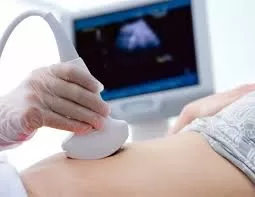
PATNA, Bihar — In a landmark move to decentralize diagnostic services and address a chronic shortage of specialists, the Bihar government has officially sanctioned a policy allowing MBBS-qualified doctors to perform ultrasound scans. Under the new guidelines, general practitioners can conduct “Level-1 Abdomino-Pelvic Ultrasonography” after completing a structured six-month, 300-hour training program. This policy, approved by the Bihar cabinet in May 2026, seeks to bring life-saving imaging capabilities to rural and underserved districts where specialist radiologists are often non-existent.
The Policy Shift: From Restriction to Regulation
For years, a 2018 state regulation effectively barred MBBS doctors in Bihar from operating ultrasound machines without a formal postgraduate degree in radiology or gynecology. This created a “diagnostic desert” in rural belts, forcing patients to travel hundreds of kilometers for basic scans or rely on unregulated, “grey-market” operators.
The new framework aligns Bihar with the national Pre-Conception and Pre-Natal Diagnostic Techniques (PC & PNDT) Act, 1994, which recognizes MBBS doctors as “sonologists” provided they undergo specific, accredited training.
Key Features of the Training Program:
-
Duration: 300 hours of training over six months.
-
Curriculum: A blend of theoretical knowledge and hands-on clinical practice.
-
Supervision: Training will be conducted at premier government medical colleges (e.g., IGIMS Patna, PMCH, and DMCH) under the oversight of senior radiologists and obstetricians.
-
Certification: Entry is finalized only after passing a Competency-Based Assessment (CBA).
Impact on Maternal and Emergency Care
The shortage of imaging specialists in Bihar has historically impacted maternal mortality and emergency outcomes. Ultrasound is the gold standard for identifying ectopic pregnancies, placenta previa, and fetal anomalies, as well as surgical emergencies like appendicitis or internal trauma.
“The core idea is to bring more trained eyes in front of the ultrasound probe,” said a senior obstetrician involved in the state’s PC & PNDT training protocols. “A six-month Level-1 course is not meant to replace a radiologist, but it can make a huge difference in timely triage. In an emergency, an MBBS doctor identifying a ruptured ectopic pregnancy can save a life while the patient is being prepared for referral.”
Allocation of Training Seats (2026 Cohort)
| Institution | Number of Seats |
| IGIMS, Patna | 36 |
| Nalanda Medical College | 12 |
| Darbhanga Medical College | 15 |
| Bhagalpur Medical College | 10 |
| Other Government Colleges | Variable |
The Debate: Access vs. Accuracy
While public health advocates cheer the move, the medical community remains divided. Some radiologists express concern that six months of training may not be sufficient to master the nuances of complex diagnostic imaging.
“If the six months are rigorous—with structured logbooks and image-review sessions—MBBS doctors can perform basic scans reliably,” says Dr. Jaspreet Singh, a radiologist and PC & PNDT trainer. “However, without strict quality audits, there is a risk of misdiagnosis. It is vital that these doctors know their limits and refer complex cases to specialists immediately.”
Furthermore, the government is using this policy to bring “grey-zone” practitioners into the legal fold. By allowing doctors who previously failed competency exams up to three additional attempts to train and certify, the state aims to ensure that all ultrasound activity is registered and monitored under the PC & PNDT Act, which is also critical for preventing illegal sex-selective practices.
What This Means for Patients
For the average resident of Bihar, this policy change translates to shorter wait times and lower costs.
-
Local Access: Patients in blocks and subdivisions may no longer need to travel to Patna for routine pregnancy check-ups.
-
Early Detection: Faster access to imaging means earlier diagnosis of gallstones, kidney blockages, and abdominal infections.
-
Accountability: Because these doctors will now be certified and registered, patients have a clearer path for grievance redressal compared to visiting uncertified “quack” centers.
Safety Checklist for Patients:
When visiting a clinic for an ultrasound, patients are encouraged to verify the following:
-
Certification: Is the doctor’s PC & PNDT registration certificate displayed prominently?
-
Scope: Is the facility equipped to handle the specific type of scan required?
-
Referral Path: Does the clinic have a protocol to refer complex cases to a tertiary hospital or a senior radiologist?
Conclusion: A Pragmatic Step Forward
Bihar’s decision reflects a growing global trend in “task-shifting,” where mid-level providers or general practitioners are trained in specific specialist skills to meet the needs of a massive population. If implemented with the promised rigor and oversight, this policy could significantly strengthen the primary healthcare backbone of the state.
However, the success of the initiative will depend entirely on the quality of the 300-hour curriculum and the robustness of the state’s monitoring mechanisms to ensure that “increased access” does not come at the cost of “diagnostic precision.”
References
-
Government Notification: Bihar Health Department & Bihar University of Health Sciences, Guidelines for Level-1 Abdomino-Pelvic Ultrasonography Training, May 2026.
Medical Disclaimer: This article is for informational purposes only and should not be considered medical advice. Always consult with qualified healthcare professionals before making any health-related decisions or changes to your treatment plan. The information presented here is based on current research and expert opinions, which may evolve as new evidence emerges.