 0
0
 0
0
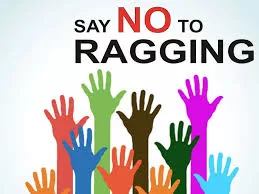
DEHRADUN — A fresh allegation of ragging at the Government Doon Medical College (GDMC) has reignited a national conversation regarding the safety and psychological well-being of India’s future doctors. On April 12, 2026, an anonymous complaint surfaced involving a first-year MBBS student who alleged that senior students coerced him into shaving his beard and cutting his hair—a form of appearance-based humiliation that officials say violates strict University Grants Commission (UGC) guidelines.
The college’s anti-ragging committee, led by Principal Dr. Geeta Jain, has officially launched an inquiry into the matter. This incident follows a disturbing pattern; only months ago, the same institution suspended nine students and expelled them from the hostel after a first-year student was reportedly beaten with a belt.
As medical campuses across India grapple with a disproportionate share of the nation’s ragging complaints, experts warn that these “traditions” are not merely harmless pranks but significant public health risks that can lead to long-term psychiatric morbidity.
A Recurring Pattern of Coercion
The current investigation at GDMC centers on an anonymous report submitted through formal channels. According to college administration, the complainant detailed a culture of forced conformity where seniors dictated personal grooming standards through intimidation.
While the college has yet to finalize disciplinary action, the procedural steps are underway. “The matter is under inquiry,” Dr. Jain confirmed, noting that the committee must identify all parties, collect witness statements, and document evidence to ensure due process.
However, for many observers, the speed of the investigation is secondary to the persistence of the problem. This latest case adds to a growing body of evidence suggesting that despite rigorous laws, the hierarchy within medical education continues to foster environments where power imbalances are exploited.
The Statistical Reality: Why Medical Colleges?
Ragging remains a stubbornly persistent shadow over Indian higher education, but medical institutions are particularly affected. According to data shared during a National Medical Council (NMC) task force meeting and summarized in the National Medical Journal of India (2024), approximately 30% of all reported ragging incidents in the country originate from medical colleges.
Several factors contribute to this high prevalence:
-
Hierarchical Rigidity: The “Senior-Junior” dynamic is often more pronounced in clinical settings.
-
High-Stress Environments: Excessive workloads and sleep deprivation can normalize aggressive behavior.
-
Isolation: The rigorous nature of the MBBS curriculum often keeps students confined to campus, making them more vulnerable to internal social pressures.
The Public Health Toll: Mental Health and Victimization
The implications of ragging extend far beyond campus discipline. The World Health Organization (WHO) reports that one in seven adolescents (ages 10–19) experiences a mental disorder globally. Furthermore, suicide is the third leading cause of death among those aged 15–29—the exact demographic of the modern medical student.
“Bullying and ragging are forms of interpersonal violence that trigger a cascade of neurobiological stress responses,” says a mental health consultant not affiliated with the GDMC case. “For a student already navigating the transition to a high-pressure medical career, this type of trauma can lead to panic disorders, social withdrawal, and even suicidal ideation.”
A review published in PubMed Central echoes these concerns, linking victimization with:
-
Sleep Disturbances: Chronic anxiety often leads to insomnia, which is dangerous for students needing high cognitive function.
-
Trauma Symptoms: Flashbacks or avoidance of specific campus areas (like common rooms or hostels).
-
Academic Disruption: A direct correlation between victimization and a drop in GPA or clinical performance.
Institutional Responsibility and the “Silent” Barrier
India’s anti-ragging framework is among the most comprehensive in the world. The UGC Regulations (2009) mandate:
-
24/7 National Helpline: 1800-180-5522, offering support in 12 languages.
-
Mandatory Committees: Every college must have an active Anti-Ragging Squad.
-
Zero Tolerance Policies: Expulsion and criminal prosecution for severe cases.
Yet, as the GDMC case demonstrates, the effectiveness of these laws depends on complainant protection. Anonymous reporting, while useful for safety, presents a “catch-22” for investigators who require specific evidence to act.
“The challenge is moving from reactive discipline to proactive prevention,” notes a policy researcher in Indian medical education. “Colleges shouldn’t just be issuing warnings after a belt is used or a student is humiliated; they need visible, daily supervision in hostels and regular awareness sessions that redefine what ‘mentorship’ looks like.”
Advice for Students and Families
For students entering the 2026 academic year, it is vital to distinguish between healthy social integration and illegal ragging.
What Constitutes Ragging?
-
Any act that prevents, disrupts, or disturbs the regular academic activity of a student.
-
Exploiting the services of a junior student for completing academic tasks or personal chores.
-
Any act of financial extortion or forceful expenditure.
-
Appearance-based coercion: Forcing students to shave, dress in a specific manner, or cut hair.
Recommended Actions:
-
Document Everything: Keep a log of dates, times, and names. Preserve any threatening text messages or call logs.
-
Report Early: Do not wait for the situation to escalate. Use the UGC toll-free helpline or the internal college committee.
-
Seek Mental Health Support: If you feel anxious, depressed, or fearful, contact a counselor immediately. Most medical colleges are now required to provide student mental health services.
Limitations and Future Outlook
It is important to note that the current GDMC investigation is based on an anonymous allegation. Until the inquiry is complete, the specific details remain unproven. However, the recurring nature of these complaints suggests that institutional changes are necessary to shift the culture.
As the inquiry at Government Doon Medical College continues, the medical community at large faces a critical question: Can the next generation of healers be trained in an environment that allows for the humiliation of its newest members? For now, the focus remains on ensuring that the complainant is protected and that the college administration upholds the safety standards required by law.
References
-
Medical Dialogues. “MBBS student alleges ragging at Doon medical college.” Published April 12, 2026.
Medical Disclaimer: This article is for informational purposes only and should not be considered medical advice. Always consult with qualified healthcare professionals before making any health-related decisions or changes to your treatment plan. The information presented here is based on current research and expert opinions, which may evolve as new evidence emerges.