 0
0
 0
0
March 22, 2026
A landmark U.S. study has revealed a startling connection between modern dietary habits and cardiovascular health, finding that high consumption of ultra-processed foods (UPFs) is associated with a 67% higher risk of suffering a heart attack, stroke, or cardiovascular death. The research, which followed 6,814 adults over several years, suggests that the industrial processing of food—not just its calorie or nutrient content—may be a primary driver of the rising tide of heart disease.
Presented at the American College of Cardiology’s 2026 Scientific Session and published in JACC: Advances, the study specifically highlights a “dose-response” relationship: for every additional serving of ultra-processed food consumed daily, the risk of a major heart event climbs by approximately 5%.
The “Triple Threat” of Modern Manufacturing
The study utilized data from the Multi-Ethnic Study of Atherosclerosis (MESA), a long-running cohort designed to track lifestyle and health outcomes in a diverse population. Participants were grouped based on their intake of ultra-processed foods, defined by the NOVA classification system as industrially manufactured products containing additives, emulsifiers, and refined ingredients rarely used in home kitchens.
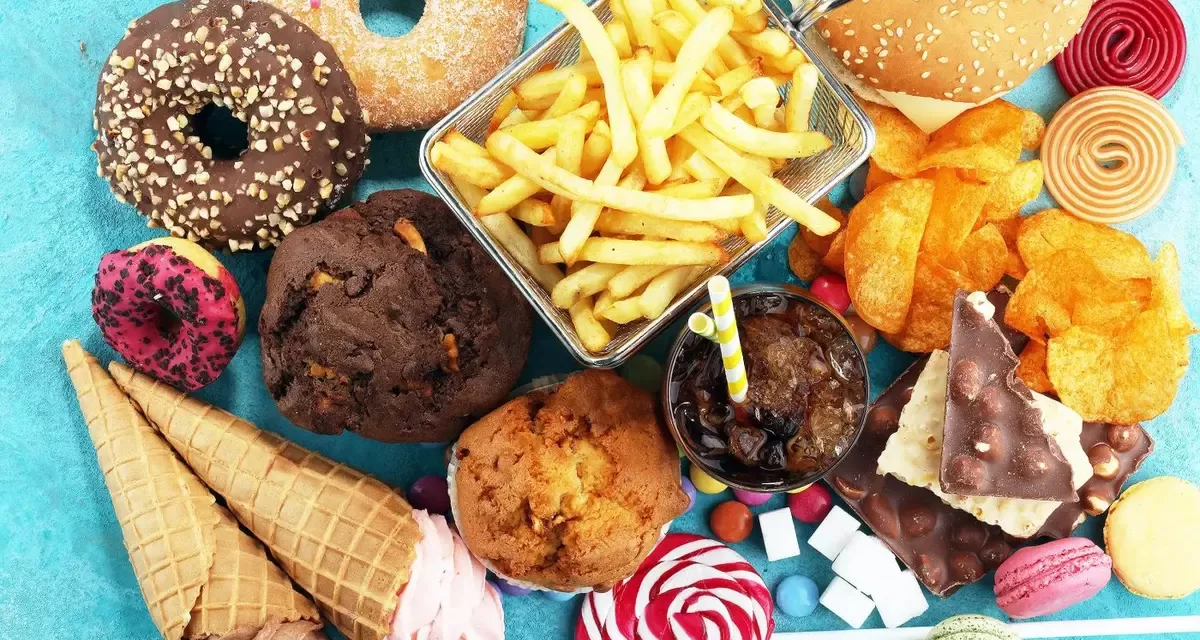
Common examples of these foods include:
-
Packaged snacks, cookies, and chips
-
Sugar-sweetened beverages and sodas
-
Instant noodles and ready-to-eat frozen meals
-
Reconstituted meat products (hot dogs, nuggets)
-
Many mass-produced breakfast cereals
Researchers found that those consuming more than nine servings of these foods per day faced a 67% higher risk of major atherosclerotic cardiovascular disease (ASCVD) compared to those who averaged only one serving daily.
“The robustness of the association was striking,” said Dr. Amier Haidar, a cardiology fellow at the University of Texas Health Science Center at Houston and the study’s lead author. “Regardless of the amount of calories you consumed per day, regardless of the overall quality of your diet, and after controlling for common risk factors like diabetes, high blood pressure, high cholesterol, and obesity, the risk associated with higher ultra-processed food intake remained significantly elevated.”
Why UPFs Harm the Heart
Medical experts suggest these foods deliver a “triple threat” to the cardiovascular system:
-
Chemical Composition: High levels of sodium, added sugars, and unhealthy fats promote insulin resistance and hypertension.
-
Nutritional Deficit: A lack of fiber and essential micronutrients reduces satiety, often leading to overeating and weight gain.
-
Biological Disruption: Emerging evidence suggests that certain additives and the physical structure of ultra-processed foods may disrupt gut microbiota and trigger chronic low-grade inflammation—a known precursor to plaque buildup in the arteries.
Racial Disparities and Structural Barriers
One of the study’s most significant findings concerns the disproportionate impact on Black Americans. For Black participants, each additional daily serving of UPFs was linked to a 6.1% increase in ASCVD risk, nearly double the 3.2% increase observed in non-Black individuals.
Public health experts argue these numbers reflect deeper systemic issues rather than individual choices alone. Lower-income neighborhoods, often referred to as “food deserts” or “food swamps,” frequently lack access to affordable fresh produce while being saturated with convenience stores stocking shelf-stable, ultra-processed items.
“We cannot discuss these statistics without addressing the environment,” says Arushi Mehta, a registered dietitian specializing in metabolic health. “Marketing practices often disproportionately target minority communities with heavily advertised snacks. When ultra-processed food is the most accessible and affordable option, it becomes the default choice, regardless of a person’s health goals.”
Expert Commentary: Shifting the Prevention Paradigm
Independent cardiologists emphasize that while the study is observational, it provides a clear signal for clinical practice.
“This isn’t the first time we’ve seen ultra-processed foods linked with risk, but the persistence of the link after adjusting for diet quality is a wake-up call,” says Dr. Neha Sachdeva, a preventive cardiologist at the All India Institute of Medical Sciences (AIIMS), New Delhi, who was not involved in the research. “It suggests that we need to look beyond just ‘low fat’ or ‘low carb’ and start looking at the level of industrial processing.”
Dr. Sachdeva notes that for many patients, the most efficient way to lower cardiovascular risk may be the “home kitchen rule”—prioritizing foods that are closer to their natural state.
Navigating the Limitations
Despite the compelling data, the study has nuances that both clinicians and consumers should consider. Because it is observational, it cannot definitively prove that ultra-processed foods cause heart disease, only that there is a strong correlation.
Furthermore, the NOVA classification system is sometimes criticized for being overly broad. For instance, certain fortified plant-based milks or whole-grain breads are technically “ultra-processed” due to added vitamins or emulsifiers, yet they may still offer nutritional benefits. Conversely, some “minimally processed” foods, like honey or salt-cured meats, can still be detrimental if consumed in excess.
Practical Steps: Small Swaps, Big Impact
The takeaway for the health-conscious consumer is not necessarily a total dietary overhaul, but a move toward “processed-food swaps.”
-
Swap the Sip: Replace sugary sodas or “fruit drinks” with sparkling water or infusions.
-
The Grain Game: Choose minimally processed oats or quinoa over highly sweetened, multi-colored breakfast cereals.
-
Label Literacy: Look for shorter ingredient lists. If a product contains multiple stabilizers and ingredients you wouldn’t find in a home pantry, it is likely ultra-processed.
-
Gradual Reduction: Reducing intake by just two servings a day can statistically lower cardiovascular risk.
Public Health Implications
The study adds significant weight to global calls for policy intervention. Experts suggest that to truly lower the 67% risk identified in the study, governments must move toward taxing sugary beverages and incentivizing the sale of whole foods in underserved urban areas.
As Dr. Haidar concluded in his presentation, “Addressing the ultra-processed food epidemic is not just about telling people what to eat; it’s about changing the food environment so that the healthy choice is also the easy choice.”
Medical Disclaimer: This article is for informational purposes only and should not be considered medical advice. Always consult with qualified healthcare professionals before making any health-related decisions or changes to your treatment plan. The information presented here is based on current research and expert opinions, which may evolve as new evidence emerges.
References
- https://www.earth.com/news/ultra-processed-foods-linked-to-67-higher-risk-of-heart-attacks/