 0
0
 0
0
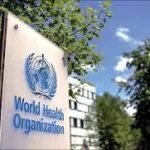
LYON, France — In a major policy push aimed at transforming medical training and patient safety worldwide, the World Health Organization (WHO) announced that simulation-based learning must transition from isolated, occasional training workshops into a core, permanent pillar of national healthcare systems.
The directive follows a landmark global convention hosted at the WHO Academy in Lyon, France, where more than 80 international experts, health ministry representatives, clinical leaders, and policy advocates gathered to address long-standing vulnerabilities in healthcare delivery. Official reports released by the WHO confirm a strong expert consensus: simulation exercises—ranging from high-fidelity patient mannequin drills to virtual reality clinical crisis walk-throughs—are no longer optional novelties. Instead, they represent vital infrastructure required to bolster quality of care, workforce readiness, and overall health-system resilience.
Moving From Scattered Projects to Core System Design
For decades, medical simulation has operated largely on the margins—frequently treated as a one-off educational tool or driven by individual passionate clinicians. However, delegates at the Lyon convention argued that the debate over simulation’s inherent value is officially settled. The central challenge today is scaling and sustaining these practices across entire health networks.
Simulation in healthcare involves using realistic scenarios, specialized equipment, or controlled environments to allow clinical and administrative staff to practice complex interventions, test emergency responses, and refine team communication without placing human lives at risk.
“At the WHO Academy, we see simulation not simply as a training methodology but as a strategic tool for capacity-building, workforce readiness and stronger health systems,” stated Dr. Bart Janssens, Unit Head for Health Learning and Capacity Building at the WHO Academy. He emphasized that the consensus achieved in Lyon marks a decisive shift “from ideas to action.”
By integrating simulation directly into national policy frameworks, educational curricula, and routine health facility financing, health systems can ensure these programs survive staff turnover, institutional restructuring, and shifting budgetary priorities.
Why Healthcare Needs Rehearsal Infrastructure Now
The timing of the WHO’s declaration coincides with unprecedented strain on global healthcare systems. Chronic workforce shortages, rapid technological shifts, and increasingly complex patient needs have heightened the risk of burnout and clinical error.
Much like commercial aviation relies on flight simulators to prepare pilots for extreme conditions, healthcare environments require safe, low-stakes spaces where multidisciplinary teams can rehearse high-stakes scenarios. This approach is particularly vital in rapid-response environments such as:
-
Emergency Medicine & Trauma Care: Rapid triage and critical resuscitation drills.
-
Obstetrics & Maternity Units: Managing sudden labor complications or post-partum hemorrhage.
-
Surgical Suites: Refining team coordination and communication during complex procedures.
-
Infectious Disease & Outbreak Response: Testing isolation protocols and equipment safety before a real crisis hits.
According to the WHO Simulation Exercise Manual, structured drills serve a dual purpose: they strengthen individual competencies while simultaneously identifying operational gaps and system flaws before an actual emergency occurs.
Aligning Global Research and Practical Outcomes
The WHO’s strategic initiative aligns closely with broader medical literature. A major global consensus statement published in Simulation in Healthcare echoed similar conclusions, highlighting that simulation-based training is consistently cost-effective and directly improves clinician performance, team dynamics, and patient safety outcomes.
| Key Dimension | Isolated Training (Traditional Model) | Embedded Infrastructure (WHO Model) |
| Funding & Support | Short-term grants, relies on single champions | Permanent budget line items in national health planning |
| Target Audience | Individual doctors or nurses | Interprofessional clinical and operational teams |
| System Impact | Brief skill enhancement | Continuous quality improvement and risk reduction |
| Crisis Preparedness | Reactive walk-throughs | Proactive system testing and vulnerability identification |
What This Means for Patients
For everyday health consumers, the push to standardize simulation means safer hospital visits and more reliable care. Even if a patient never steps into a simulation laboratory, they benefit directly when local hospital staff routinely practice emergency workflows, communication protocols, and new clinical procedures together.
Limitations and Practical Realities
While the expert consensus is overwhelming, experts emphasize that policy frameworks must account for real-world constraints:
-
Evidence Type: The WHO report synthesizes expert consensus and policy guidelines rather than a single randomized controlled trial. While individual clinical studies confirm simulation’s efficacy, quantifying its exact return on investment across an entire national population remains complex.
-
Resource Allocation: High-fidelity simulators, specialized facilities, and dedicated instruction time require substantial upfront funding. In resource-limited or low-income health settings, acquiring top-tier technology may not be feasible.
-
Equitable Access: To avoid widening health disparities, global health experts urge adoption of low-cost, high-impact simulation tools—such as role-playing scenarios, simple task trainers, and mobile simulation units—ensuring equitable access across all economic tiers.
Looking Ahead: The Path to Systemic Safety
The ultimate goal articulated at the WHO Academy is to elevate medical simulation to standard infrastructure—on par with facility sanitation, electronic medical records, or surgical equipment maintenance. For health systems aiming to build resilience against future pandemics and daily clinical demands, embedding simulation into daily practice offers a clear, proactive strategy for saving lives.
Reference Section
Peer-Reviewed & Institutional Citations:
-
World Health Organization. Experts agree at landmark event that simulation should be built into health system. News Release. Published July 21, 2026.
Medical Disclaimer: This article is for informational purposes only and should not be considered medical advice. Always consult with qualified healthcare professionals before making any health-related decisions or changes to your treatment plan. The information presented here is based on current research and expert opinions, which may evolve as new evidence emerges.