 0
0
 0
0
NEW DELHI — A cornerstone of modern diabetes management is under intense scrutiny. A landmark evidence-based viewpoint published February 9, 2026, in The Lancet Regional Health: Southeast Asia warns that the HbA1c test—the “gold standard” for diagnosing and monitoring type 2 diabetes—may be producing misleading results for millions of South Asians, particularly in India.
The study, led by Professor Anoop Misra and a team of leading Indian endocrinologists, reveals that endemic health issues like anemia and genetic blood disorders are distorting test results. This “diagnostic shadow” could mean that many individuals are either being treated for a disease they don’t have or, more dangerously, walking around with undiagnosed diabetes for years.
The Science: How the “Gold Standard” Loses its Shine
The HbA1c test measures the percentage of hemoglobin coated with sugar (glycated hemoglobin). Because red blood cells typically live for about 120 days, the test provides a snapshot of a person’s average blood sugar over the previous two to three months.
However, this calculation relies on a critical assumption: that your red blood cells are healthy and live a standard lifespan.
“HbA1c measurements primarily reflect the glycation of hemoglobin,” explains Professor Anoop Misra, Chairman of Fortis C-DOC Centre of Excellence for Diabetes and the study’s corresponding author. “Any condition that affects the quantity, structure, or lifespan of hemoglobin—such as anemia or red blood cell disorders—can distort these values. Relying exclusively on HbA1c can result in misclassification of diabetes status.”
The “India Factor”: Anemia and Genetics
In India, the reliability of HbA1c faces a “perfect storm” of biological variables:
-
Nutritional Anemia: Iron deficiency anemia, which affects over 50% of the population in certain Indian regions, can falsely elevate HbA1c levels.
-
Hemoglobinopathies: Inherited conditions like Thalassemia or Sickle Cell trait, which are prevalent in South Asia, alter the structure of hemoglobin, making standard tests inaccurate.
-
G6PD Deficiency: This common enzyme deficiency can shorten the lifespan of red blood cells. Since the cells don’t live long enough to “collect” the typical amount of sugar, the HbA1c test may show a falsely low reading.
The Hidden Cost: Delayed Diagnosis and Mismanagement
The implications of a skewed test result are not merely academic; they are deeply personal. For a man with undetected G6PD deficiency, the study suggests that reliance on HbA1c alone could delay a diabetes diagnosis by up to four years.
During those four years, high blood sugar can quietly damage the heart, kidneys, and eyes. Conversely, in regions with high rates of iron deficiency, patients might be incorrectly labeled as “prediabetic,” leading to unnecessary anxiety and medication.
“Even in well-resourced urban hospitals, HbA1c readings can be influenced by red blood cell variations,” says Dr. Shashank Joshi, co-author from the Joshi Clinic in Mumbai. “In rural and tribal areas, where anemia and red cell abnormalities are common, the discrepancies may be even greater.”
Expert Commentary: A Call for “Precision Diagnostics”
Independent experts agree that the one-size-fits-all approach to diabetes testing needs an overhaul in the South Asian context.
“We have known for some time that HbA1c has limitations, but this Lancet report highlights the sheer scale of the problem in India,” says Dr. Arvinder Singh, a clinical pathologist not involved in the study. “When we see a patient with a ‘normal’ HbA1c but high symptoms of thirst or fatigue, we must look deeper. We cannot ignore the underlying hematology.”
The study also points to inconsistent quality control across various laboratories in India as a compounding factor, making it difficult for clinicians to trust marginal results.
A New Framework: What This Means for You
The researchers are not suggesting we abandon the HbA1c test entirely, but rather that we stop using it in isolation. They propose a “resource-adapted framework” to ensure accuracy:
For Patients in Rural or Low-Resource Areas:
-
The OGTT Rebound: The Oral Glucose Tolerance Test (OGTT)—which involves checking blood sugar while fasting and again two hours after a sugar drink—remains a highly reliable diagnostic tool.
-
Basic Screening: Doctors should combine diabetes screening with basic blood counts (hemoglobin) to see if anemia might be masking the results.
-
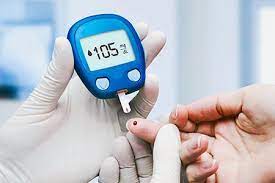
Finger-Stick Monitoring: Regular self-monitoring of blood glucose (SMBG) using a standard glucose meter 2–3 times a week offers a more real-time look at sugar levels than a quarterly HbA1c.
For Patients in Advanced Clinical Settings:
-
Continuous Glucose Monitoring (CGM): Using wearable sensors that track sugar levels 24/7.
-
Alternative Markers: Testing for fructosamine, a protein that reflects blood sugar over a shorter 2–3 week period and is not affected by hemoglobin issues.
-
Specialized Testing: When results are confusing, doctors should order iron studies or hemoglobin electrophoresis to rule out underlying blood disorders.
Public Health Implications
This shift in thinking could fundamentally change how India calculates its “diabetes capital” status. If public health surveys rely solely on HbA1c, the national data on diabetes prevalence may be significantly skewed.
“Combining tests provides a more accurate picture of diabetes risk,” says Dr. Shambho Samrat Samajdar, co-author from Kolkata. “This approach can help refine public health estimates and guide resource allocation where it is needed most.”
For the average reader, the takeaway is clear: If you have a family history of anemia or a known blood disorder, your HbA1c result might not be the whole story. Talk to your doctor about “triangulating” your results with other tests to ensure your diagnosis is as accurate as possible.
Statistical Snapshot: The Challenge in India
| Condition | Prevalence in India | Impact on HbA1c |
| Iron Deficiency Anemia | Up to 50%+ in some regions | Can falsely increase readings |
| G6PD Deficiency | Significant in specific communities | Can falsely decrease readings |
| Thalassemia Trait | 3% – 10% in certain ethnic groups | Causes inconsistent/spurious results |
References
-
The Lancet Regional Health: Southeast Asia. Misra, A., Joshi, S., Samajdar, S. S., et al. (February 9, 2026). “Limitations of HbA1c for Diagnosis and Monitoring of Diabetes in South Asia: An Evidence-Based Viewpoint.” [DOI: 10.1016/j.lanwpc.2026.100XXX]
Medical Disclaimer: This article is for informational purposes only and should not be considered medical advice. Always consult with qualified healthcare professionals before making any health-related decisions or changes to your treatment plan. The information presented here is based on current research and expert opinions, which may evolve as new evidence emerges.