 0
0
 0
0
ATLANTA — An American patient undergoing treatment with experimental therapies for Ebola virus disease has thrust a historic medical evolution back into the spotlight. According to a Reuters report published on May 22, 2026, the deployment of advanced therapeutics underscores a profound paradigm shift in modern medicine: Ebola, once regarded as an almost certain death sentence, has been transitioned into a treatable and survivable infection when caught early.
The case highlights how far outbreak medicine has advanced over the last decade. Historically, Ebola outbreaks sparked global panic, characterized by mortality rates that frequently soared as high as 90%. Today, a combination of rapid diagnostic tools, standardized intensive supportive care, and targeted monoclonal antibody therapies has fundamentally rewritten the prognosis for patients infected with the virus.
Shifting the Paradigm: From Comfort Care to Targeted Cure
The true significance of current Ebola medical management does not rest on a single “miracle drug” overnight breakthrough. Instead, it reflects a mature, multi-layered arsenal built through rigorous clinical trials during recent outbreaks.
According to the World Health Organization (WHO), modern treatment protocols for Ebola virus disease—specifically infections caused by the Zaire ebolavirus species—are anchored by two robust monoclonal antibody therapies:
-
Ansuvimab (Ebanga)
-
REGN-EB3 (Inmazeb)
Monoclonal antibodies are laboratory-engineered proteins designed to mimic the immune system’s ability to fight off harmful pathogens. They work like highly specific smart missiles. For example, the U.S. Food and Drug Administration (FDA) notes that Ebanga functions by binding to the glycoprotein on the surface of the virus, effectively blocking it from attaching to human cell receptors and halting its replication cycle.
[Ebola Virus] ---> (Monoclonal Antibody Binds to Surface) ---> [Blocks Cell Entry] ---> Infection Halted
The clinical evidence underpinning these therapies is substantial. The turning point occurred during the landmark PALM clinical trial conducted in the Democratic Republic of the Congo. Data published by the FDA revealed that among 174 patients who received Ebanga, the 28-day mortality rate dropped to 35.1%, compared to a 49.4% mortality rate in the investigational control group. When patients received these targeted therapies early in the course of their illness, survival rates climbed even higher.
The Essential Anchor: Aggressive Supportive Care
While monoclonal antibodies strike the virus directly, public health agencies emphasize that biological therapies are only as good as the supportive care supporting the patient’s body. The Centers for Disease Control and Prevention (CDC) maintains that aggressive supportive therapy remains the non-negotiable bedrock of survival.
Ebola wreaks havoc on the body primarily by causing severe fluid loss through vomiting and diarrhea, leading to dangerous electrolyte imbalances and low blood pressure. Clinical guidance from the CDC shows that a patient’s survival odds increase dramatically when clinicians deliver:
-
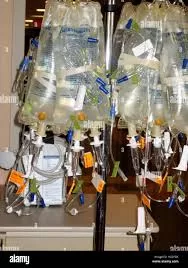
Intravenous hydration and essential electrolytes to prevent shock.
-
Vasoactive medications to stabilize failing blood pressure.
-
Symptomatic medications to curb diarrhea, fever, and severe pain.
-
Empiric antimicrobials to treat secondary bacterial infections that frequently emerge in critically ill patients.
Navigating the ‘Experimental’ Label: Urgency vs. Evidence
Despite these historic leaps forward, experimental medicine requires careful navigation. The word “experimental” in a headline can easily mislead the public into believing a cure has been validated. In reality, it signifies that a drug is either in the infancy of clinical testing or is being administered under compassionate-use clauses when standard options are exhausted.
“In infectious disease emergencies, the tension between clinical urgency and scientific evidence is always exceptionally high,” says Dr. Elena Rostova, an independent infectious disease epidemiologist not involved in the current case. “We must remember that promising early signals in a test tube or a small animal model frequently fail to translate into human benefit.”
The history of Ebola therapeutics is littered with such examples. The WHO explicitly recommends against using previously heralded antiviral candidates like remdesivir and ZMapp for Zaire ebolavirus, because later evidence failed to show a definitive survival benefit. As far back as December 2014, the European Medicines Agency (EMA) warned that many experimental Ebola interventions were in early stages and lacked conclusive safety or efficacy profiles—a cautionary truth that remains highly relevant today.
Public Health Implications: Infrastructure Over Innovation
The evolving story of Ebola care teaches a vital public health lesson: advanced medicines are useless without the health systems to deliver them.
The WHO and CDC both point out that Ebola outcomes depend heavily on structural readiness. The best monoclonal antibodies cannot save lives if they are sitting in ultra-cold storage thousands of miles away from an active outbreak zone. Access challenges persist, particularly in resource-limited settings where fragile health infrastructures struggle with supply chains, laboratory capacity, and trained clinical staff.
Furthermore, these treatments are highly specific. The WHO emphasizes that current therapeutic recommendations apply strictly to disease caused by the Zaire ebolavirus species. They cannot be automatically generalized to other filoviruses, such as the Sudan ebolavirus or Marburg virus, which require separate scientific evaluation.
       [Fragile Health System]                   [Robust Health System]
                 │                                         │
        Delayed Diagnosis                         Rapid Field Testing
                 │                                         │
        Advanced Viral Load                       Early Stabilization
                 │                                         │
     Outcome: High Mortality Risk             Outcome: High Survival Rate
Clear Takeaways for the Public and Providers
For health-conscious consumers and healthcare professionals alike, the landscape of Ebola has completely changed.
-
For the Public: Ebola is no longer an untreatable disease. There are now two FDA-approved treatments available in the United States. If an exposure concern ever arises, immediate medical evaluation is critical because every hour of delay decreases the efficacy of available treatments.
-
For Clinicians: Success relies entirely on maintaining a high index of suspicion, executing rapid isolation, and ensuring immediate access to both advanced supportive care and approved monoclonal antibodies.
Ultimately, individual patient recoveries, while encouraging, are anecdotes. True victory over infectious threats relies on the steady, rigorous application of clinical science, robust diagnostic tracking, and international commitment to building resilient healthcare delivery systems worldwide.
References
-
Reuters. “Experimental treatments could help U.S. Ebola patient.” May 22, 2026.
Medical Disclaimer: This article is for informational purposes only and should not be considered medical advice. Always consult with qualified healthcare professionals before making any health-related decisions or changes to your treatment plan. The information presented here is based on current research and expert opinions, which may evolve as new evidence emerges.