 0
0
 0
0
DHAKA, BANGLADESH – A perfect storm of climatic disasters, persistent economic inflation, and dwindling international aid has propelled Bangladesh into the ranks of the world’s ten most food-insecure nations. According to the latest 2025 Integrated Food Security Phase Classification (IPC) analysis, nearly 16 million people across the country are now grappling with acute food insecurity. This designation marks a critical turning point for the South Asian nation, triggering a secondary public health emergency as malnutrition rates among children and pregnant women surge to levels not seen in nearly a decade.
A Nation Under Pressure: The Scale of Insecurity
The IPC report, a collaborative effort between the Bangladeshi interim government and a coalition of international agencies including the FAO, UNICEF, and the World Food Programme (WFP), paints a sobering picture of the nation’s nutritional landscape. Of the 96 million people analyzed across 36 districts, approximately 17% are currently classified in “Crisis” or “Emergency” phases of food insecurity.
Particularly alarming is the situation for the 361,000 individuals identified in IPC Phase 4 (Emergency). This cohort faces extreme food consumption gaps and requires immediate humanitarian intervention to prevent widespread mortality. Regional hotspots have emerged in Cox’s Bazar, Sunamganj, and Satkhira, where up to one in four residents are struggling to secure their next meal.
“The findings are a wake-up call for the international community,” stated Food Secretary Masudul Hasan during a recent policy workshop in Dhaka. “We are seeing a convergence of shocks that threaten to undo decades of progress in maternal and child health.”
The “Silent Epidemic”: Malnutrition’s Rising Toll
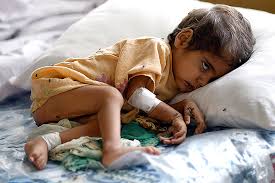
The immediate consequence of food insecurity is a visible spike in acute malnutrition. Projections for late 2025 indicate that 1.6 million children aged 6 to 59 months will suffer from acute malnutrition.
Of these, 144,000 are categorized as having Severe Acute Malnutrition (SAM)—the most lethal form of undernutrition. Without specialized therapeutic feeding and medical care, children with SAM are nine times more likely to die than their well-nourished peers.
The Vulnerable Groups
-
Children (Under 5): 1.4 million cases of Moderate Acute Malnutrition (MAM) alongside the SAM cases.
-
Maternal Health: Approximately 117,000 pregnant and breastfeeding women are currently at risk, a statistic that experts warn could lead to a generation of low-birth-weight infants and developmental delays.
-
Rohingya Refugees: In the camps of Cox’s Bazar, food ration cuts have led to a 27% increase in SAM admissions. UNICEF Representative Rana Flowers noted that children in these camps are experiencing the “worst levels of malnutrition since 2017.”
Drivers of the Crisis: Climate and Cost
The current emergency is not the result of a single failure but a compounding of three primary “shocks”:
-
Climatic Disasters: Devastating floods in late 2024 destroyed millions of hectares of rice paddies and drowned livestock, stripping rural households of both their food source and their primary income.
-
Economic Inflation: While global supply chains have stabilized, local market volatility in Bangladesh remains high. The soaring cost of staples—rice, lentils, and cooking oil—has forced families to adopt “negative coping strategies,” such as skipping meals or selling essential assets.
-
Funding Shortfalls: International humanitarian aid for Bangladesh has seen a decline as global attention shifts to conflicts in Sudan and Ukraine. This has left agencies like the WFP unable to maintain full caloric rations for displaced populations.
“Persistent inflation changes fundamental human behavior,” explains Dr. Anwara Begum, an independent nutritionist not involved in the IPC study. “When a kilogram of protein becomes unaffordable, families revert to cheap carbohydrates. They may feel full, but they are ‘silently’ starving of the micronutrients required for brain development and immune function.”
Public Health and Long-Term Ramifications
The health implications extend beyond immediate hunger. Acute food insecurity acts as a catalyst for a broader medical crisis:
-
Immune Suppression: Malnourished individuals are significantly more susceptible to infectious diseases like tuberculosis and cholera.
-
Stunting and Cognitive Delay: Chronic undernutrition during the “first 1,000 days” of life leads to irreversible physical stunting and diminished cognitive capacity, which will eventually impact the nation’s future economic productivity.
-
The Double Burden: Interestingly, health officials are also noting a “double burden” of malnutrition. In some urban areas, food insecurity leads to the consumption of highly processed, low-cost “junk” foods, resulting in rising obesity rates alongside micronutrient deficiencies.
Potential Limitations and Counterarguments
While the data is compelling, some analysts suggest a nuanced view. The IPC analysis covered 59% to 96% of the population in various districts, meaning some pockets of resilience may exist that were not fully captured. Furthermore, critics of aid-heavy models argue that while emergency food distribution is vital, it does not address the underlying structural issues of market instability and climate-vulnerable infrastructure.
There is also the “Value-added” perspective: Bangladesh has shown incredible resilience in the past. Despite the high numbers, the country has managed to maintain a functioning agricultural sector that, with the right investment in salt-tolerant and flood-resistant crops, could pivot back toward self-sufficiency.
Moving Forward: Practical Steps for a Path Recovery
Addressing a crisis of this magnitude requires a multi-sectoral approach. For policymakers, the IPC recommends “shock-responsive” social safety nets that automatically expand when floods occur.
For the general public and local communities:
-
Diversification: Where possible, shifting toward small-scale “homestead gardening” of local, nutrient-dense vegetables can provide a buffer against market price spikes.
-
Community Support: Localized grain banks and community-led feeding programs have proven effective in rural districts.
-
Advocacy: Continued pressure on international donors is required to restore the funding gap for the most vulnerable, particularly the Rohingya and those in Phase 4 emergency zones.
The road to 2026 and the goal of LDC (Least Developed Country) graduation remains fraught with challenges. However, the current data serves as a vital diagnostic tool. By identifying the 16 million most at risk today, the government and its partners have a roadmap—if they have the resources—to prevent a food crisis from becoming a permanent health catastrophe.
Medical Disclaimer: This article is for informational purposes only and should not be considered medical advice. Always consult with qualified healthcare professionals before making any health-related decisions or changes to your treatment plan. The information presented here is based on current research and expert opinions, which may evolve as new evidence emerges.
References
- https://nagalandpost.com/bangladesh-figures-in-list-of-top-10countries-facing-acute-food-crisis-report/