 0
0
 0
0
NEW DELHI — In a major development that continues to reshape the narrative surrounding urban safety and emergency preparedness, the National Investigation Agency (NIA) filed a supplementary chargesheet late last week in the November 2025 Red Fort car bomb blast case. The latest legal filing, submitted on June 26–27, 2026, names three additional accused individuals from Jammu and Kashmir—Zameer Ahmad Ahanger, Tufail Ahmad Bhat, and an absconding pediatrician, Muzafar Ahmad (also known as Faraz or Zafar).
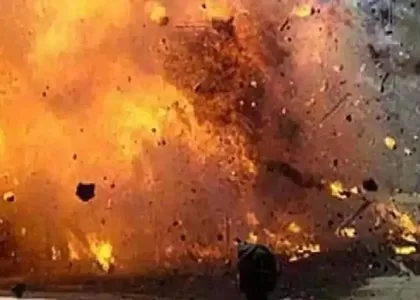
This update brings the total number of accused to 13, widening a complex conspiracy that initially shook the capital late last year. Among those named is the deceased alleged prime accused, Dr. Umer Un Nabi, who died in the vehicle-borne improvised explosive device (VBIED) detonation near the historic monument on November 10, 2025. The attack claimed at least 11 lives and left dozens permanently scarred.
While the primary narrative remains a criminal and counter-terrorism investigation, the profile of the accused—which includes highly trained medical professionals—has sparked a crucial conversation within the healthcare community. Beyond the courtroom drama, the evolution of this case serves as a stark reminder of the profound, multi-layered public health crises that mass-casualty events inflict on urban infrastructure and community well-being.
Inside the Investigation: The Medical Connection
The NIA’s supplementary filing builds upon a massive, 7,500-page foundational chargesheet submitted in May 2026, which compiled 588 oral testimonies, 395 documents, and more than 200 physical exhibits. According to agency documentation, the newly named absconding pediatrician, Muzafar Ahmad, allegedly specialized in manufacturing, testing, and storing explosive devices for the terror module.
The involvement of individuals with medical degrees has deeply troubled both the public and global security analysts. Experts note that advanced scientific training, while designed to heal, equips individuals with sophisticated understandings of chemistry, logistics, and anatomy—tools that can be catastrophically weaponized when hijacked by radicalizing networks.
“The radicalization of healthcare professionals is rare, but it presents a unique vulnerability,” says Dr. Arvin Vinayak, an independent public health policy analyst and former emergency medicine consultant based in New Delhi, who was not involved in the case. “Medical training instills a deep discipline and understanding of complex systems. When that knowledge is diverted toward harm, the precision and potential lethality of an attack escalate significantly.”
The Hidden Epidemic: Long-Term Traumatic Legacies
For the general public, a bomb blast is categorized immediately as a security failure or a civic tragedy. However, epidemiologists and emergency physicians view mass-casualty violence through the lens of acute and chronic public health trauma.
The immediate impact of a VBIED is devastating, causing severe polytrauma—a clinical term for multiple complex injuries occurring simultaneously. Survivors of the Red Fort blast suffered from a cascade of severe physical trauma, including:
-
Blast Lung Injury (BLI): A unique form of severe respiratory trauma caused by the sonic shockwave of an explosion, tearing delicate lung tissue without visible external chest wounds.
-
Complex Triage Wounds: Deep shrapnel penetrations, severe third-degree burns, and traumatic amputations.
-
Barotrauma: Ruptured eardrums and permanent hearing loss resulting from instantaneous atmospheric pressure shifts.
Yet, the medical toll does not end when the physical wounds close. “The invisible injury is often the most enduring,” explains Dr. Vinayak. “An explosion of this scale triggers widespread Post-Traumatic Stress Disorder (PTSD), severe anxiety, and depression. This psychological distress ripples outward from the survivors to eyewitnesses, first responders, and the families of the deceased, taxing community mental health systems for decades.”
Systemic Strain: Lessons for Emergency Preparedness
When the Red Fort blast occurred in November 2025, Delhi’s premier medical institutions—including the All India Institute of Medical Sciences (AIIMS) and Lok Nayak Hospital—were immediately plunged into a crisis footing. Mass-casualty events of this nature test the absolute limits of urban health infrastructure.
Successfully managing such crises requires flawless execution across several critical domains:
-
Rapid Triage Protocols: Sorting patients under extreme pressure to ensure life-saving surgical interventions go to those who need them most urgently.
-
Blood-Bank Logistics: Mobilizing massive quantities of O-negative blood and plasma within minutes to combat hemorrhagic shock in victims.
-
Forensic Medicine Coordination: Working alongside law enforcement for swift, respectful, and accurate identification of mass-casualty victims, which is vital for both legal investigations and family closure.
Public health experts emphasize that robust, regularly simulated disaster management plans are the only reliable defense against the systemic collapse of emergency rooms during an attack.
Limitations and Due Process in Media Reporting
As the legal proceedings advance in New Delhi’s specialized courts, legal and medical experts urge caution regarding how information is consumed. A chargesheet is an compilation of investigative allegations, not a judicial conviction. Under Indian law, all accused individuals retain the presumption of innocence until proven guilty in a court of law.
Furthermore, early reporting during the chaotic aftermath of the November 2025 blast yielded conflicting casualty counts and shifting timelines. In fast-moving security crises, unverified information and graphic media circulating on social platforms often fuel public anxiety, compounding the psychological trauma of the event. Public health advocates advise the public to rely strictly on verified agency updates and established journalistic outlets rather than speculative online commentary.
What This Means for Everyday Readers
The expanding investigation into the Red Fort blast underscores a sobering truth: public safety and public health are inextricably linked.
For health-conscious citizens and communities, the takeaway extends beyond individual wellness practices. It highlights the vital importance of community resilience, basic first-aid literacy (such as knowing how to control severe bleeding), and supporting local mental health resources. True recovery from mass violence requires a sustained, collective commitment to both physical healing and psychological rehabilitation.
References
Investigative & Agency Sources
-
National Investigation Agency (NIA): Press-release index and supplementary filings, New Delhi, June 26–27, 2026.
[nia.gov]
Medical Disclaimer: This article is for informational purposes only and should not be considered medical advice. Always consult with qualified healthcare professionals before making any health-related decisions or changes to your treatment plan. The information presented here is based on current research and expert opinions, which may evolve as new evidence emerges.