 0
0
 0
0
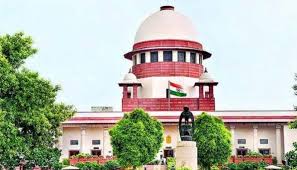
NEW DELHI — In a landmark intervention aimed at stabilizing the future of India’s medical workforce, the Supreme Court of India has directed the Central Government to establish a permanent institutional framework to manage the National Eligibility cum Entrance Test for Postgraduate (NEET-PG) admissions.
On May 4, 2026, a bench comprising Justices P.S. Narasimha and Alok Aradhe emphasized that the “annual cycle” of chaotic cutoff reductions and seat vacancies can no longer be addressed with “knee-jerk” reactions. The Court’s directive seeks to end a pattern of administrative instability that has seen qualifying scores plummet to zero—and even negative values—in a desperate bid to fill vacant specialist seats.
The ruling comes at a critical juncture for the Indian healthcare system, which currently faces a paradoxical struggle: thousands of advanced medical seats remain empty even as the nation grapples with a severe shortage of specialists in rural and underserved regions.
The Cycle of “Zero Percentile”: A Growing Trend
NEET-PG serves as the gateway for MBBS graduates to specialize in fields such as Surgery, Pediatrics, and Radiology. However, recent years have seen a drastic departure from traditional academic benchmarks.
| Academic Year | Qualifying Cutoff (General Category) | Final Status |
| 2023 | 0 Percentile | Candidates with negative scores were eligible |
| 2024 | 5th Percentile | Drastic reduction from initial 50th percentile |
| 2025-26 | 7th Percentile | Approx. 103/800 marks; 95,913 extra candidates added |
Despite these reductions, the mismatch between candidate demand and seat availability persists. In early 2026, even after slashing the cutoff to the 7th percentile, over 1,140 seats remained vacant following the “stray vacancy” round. This pattern suggests that the problem is not a lack of eligible candidates, but rather a deeper systemic issue regarding seat location, high fees in private colleges, and a lack of interest in “non-clinical” branches like Anatomy or Biochemistry.
Judicial Concern Over Medical Standards
The Supreme Court’s push for an institutional mechanism is rooted in concerns over the “dilution of merit.” During hearings in February 2026, the bench expressed “stunning” concern that qualifying candidates with negative scores could compromise the rigor of postgraduate education.
“This is happening every year… the method needs to be institutionalized,” the bench remarked, noting that the current ad-hoc approach creates a climate of uncertainty for young doctors and disrupts the delivery of specialized healthcare services.
While the government argues that these reductions are “policy matters” intended to prevent the wastage of public resources, the Court questioned whether the pursuit of 100% seat utilization justifies lowering the bar to a point where the fundamental purpose of a “qualifying” exam is lost.
The Specialty Mismatch: Why Seats Stay Empty
The crisis is heavily weighted toward two factors: geography and specialty.
-
The “Glamour” Branches: Specialties like Radiology and Dermatology require high scores (often 540+ marks) and are filled instantly.
-
The Vacancy Gap: “Non-clinical” or high-stress branches like Anesthesia, Pathology, and Community Medicine often go unfilled.
-
The Private Factor: Research indicates that private medical colleges benefit disproportionately from cutoff slashes. In 2023, 85% of clinical seats filled by candidates who qualified only after the cutoff reduction were in private institutions, where fees can be prohibitively high.
Expert Perspectives: Quality vs. Quantity
The medical community is divided on the implications of these recurring “rescue” measures.
The Risk of Dilution:
“By lowering the bar to include negative scores, we are not just filling a seat for three years,” warns a senior clinician familiar with the matter. “We are creating a specialist who will practice for 40 years. If the foundational competency isn’t there at the entry level, patient safety could eventually be at risk.”
The Administrative Defense:
Government representatives maintain that the rank-merit system remains intact. They argue that lowering the cutoff does not give a low-ranking student preference over a high-ranking one; it simply expands the pool of candidates who can apply for seats that high-ranking students have already rejected.
The Middle Ground:
Public health experts suggest that the focus should shift from “lowering standards” to “increasing incentives.” Dr. Harisharan Devgan, a petitioner in the case, argues that treating PG education as a commercial commodity to be sold at any score violates the spirit of medical excellence.
Public Health Implications
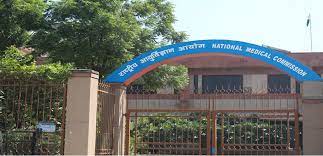
The stakes for the Indian public are immense. The National Medical Commission (NMC) aims for an equitable distribution of doctors, yet rural India continues to face a massive shortfall of surgeons and obstetricians.
If the institutional framework directed by the Court can utilize predictive analytics to identify which seats will likely go vacant, the government could introduce incentives—such as stipend hikes or rural service bonds—specifically for those underserved branches, rather than simply lowering the academic threshold for the entire country.
For the aspiring specialist, this judicial intervention offers a glimmer of hope for a more predictable career path. Currently, many doctors are forced to relocate or abandon their dreams due to the “mid-counseling” changes in eligibility, which create a volatile environment for mental health and financial planning.
The Path Forward: A “Real-Time” Mechanism
The Supreme Court has granted the Health Ministry two weeks to present a vision for this “working institution.” This body would ideally:
-
Analyze Data Pre-Exam: Predict vacancy trends based on previous years.
-
Harmonize Fees: Address the massive disparity between government and private PG seats.
-
Ensure Transparency: Set clear, non-negotiable benchmarks for “minimum competence” that cannot be bypassed.
As India moves toward its goal of universal healthcare under Ayushman Bharat, the quality of its specialists is as vital as their quantity. An institutionalized NEET-PG framework may finally provide the stability needed to ensure that every doctor behind the white coat has met a standard the public can trust.
Medical Disclaimer
Medical Disclaimer: This article is for informational purposes only and should not be considered medical advice. Always consult with qualified healthcare professionals before making any health-related decisions or changes to your treatment plan. The information presented here is based on current research and expert opinions, which may evolve as new evidence emerges.
Reference Section
https://medicaldialogues.in/news/education/supreme-court-tells-centre-to-create-insitutional-mechanism-to-address-recurring-neet-pg-cutoff-issues-170084