 0
0
 0
0
NEW BRUNSWICK, N.J. — A startling shift in pediatric emergency trends has healthcare providers sounding the alarm: toddlers are no longer just accidentally swallowing nicotine products; they are increasingly inhaling them.
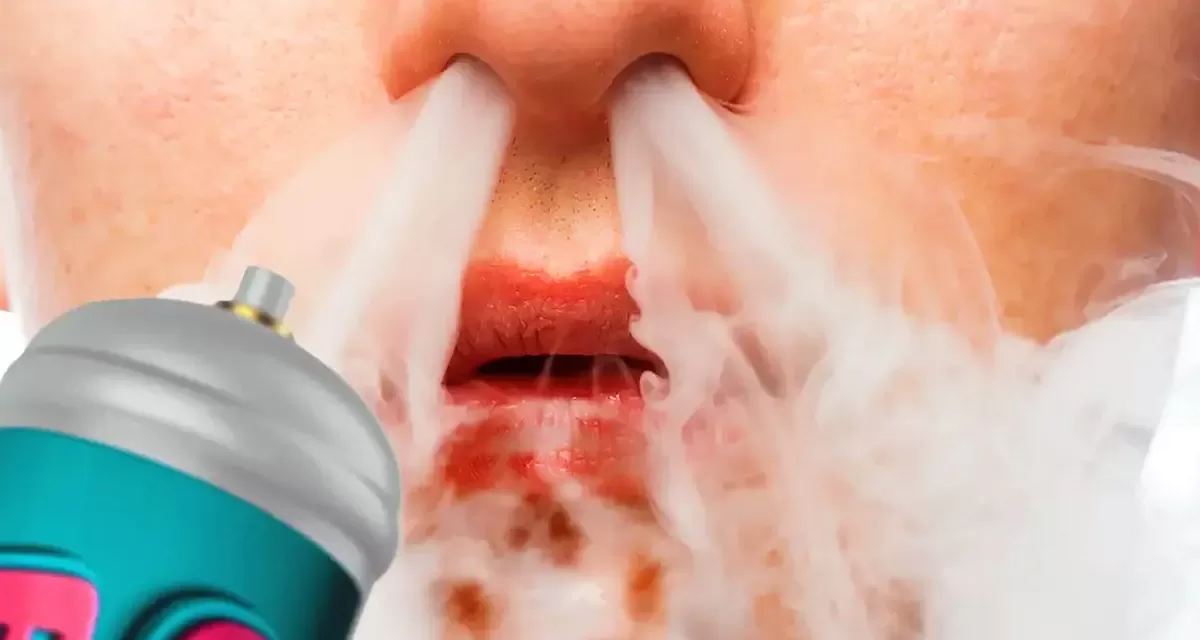
A comprehensive study led by Rutgers Health researchers, published March 2, 2026, in JAMA Network Open, reveals that while traditional tobacco exposures like cigarette ingestion are declining, e-cigarette-related incidents among children aged five and younger have surged by an incredible 243%. Most concerning to toxicologists is the dramatic rise in inhalation cases—a trend fueled by the ubiquity of disposable vapes and a behavioral phenomenon known as “mimicry,” where young children imitate the vaping habits of the adults around them.
A Changing Landscape of Toxicity
For decades, the primary nicotine threat to toddlers was the stray cigarette butt or a tin of smokeless tobacco found on a coffee table. However, the Rutgers analysis of over 92,000 cases reported to U.S. poison centers from 2016 to 2023 shows those days are over.
While traditional tobacco exposures fell by 43% during the study period, e-cigarette exposures skyrocketed. The data highlights a dangerous evolution in how children interact with these products. In 2016, reports of toddlers inhaling nicotine vapors were statistically minimal. By 2023, poison centers were recording thousands of such cases annually.
“This significant spike in children breathing in these substances tells us the risk has changed,” said Perry Rosen, lead author and researcher at Rutgers Health. “It’s no longer just about a toddler swallowing something they found on the floor.”
The Power of Mimicry
Unlike a bitter cigarette, modern vaping devices are often sleek, colorful, and flavored like candy or fruit, making them inherently attractive to curious children. Because these devices are designed for ease of use—often “draw-activated” with no buttons required—a child as young as two can successfully trigger a dose of nicotine vapor.
Diane Calello, Executive and Medical Director of the New Jersey Poison Control Center, points to the social aspect of the crisis. “When children see caregivers or older family members vaping, they may copy that behavior—bringing the device to their mouth and inhaling—without understanding the harm,” Calello explained.
This shift from passive exposure (finding a dropped item) to active use (mimicking an adult) represents a new frontier in pediatric injury prevention.
Why Nicotine is Different for Toddlers
Nicotine is a potent neurotoxin and stimulant. While an adult may use it for a mild “buzz,” its effects on a 25-pound child are disproportionately severe. Because nicotine acts rapidly on the central nervous system, heart, and lungs, symptoms can manifest within 15 to 30 minutes of exposure.
Routes of Exposure and Symptoms
-
Ingestion: Swallowing liquid nicotine often leads to immediate nausea and vomiting. However, it can also cause rapid heartbeat, tremors, and seizures.
-
Inhalation: When inhaled, nicotine bypasses the gastrointestinal tract and enters the bloodstream directly via the lungs. This can cause acute respiratory distress and rapid-onset toxicity.
Dr. Ryan Marino, a hospital toxicologist at Case Western Reserve University School of Medicine who was not involved in the Rutgers study, has witnessed the clinical fallout of these exposures. “Kids can become dizzy, lose consciousness, and suffer dangerous drops in blood pressure,” Marino noted. In the most extreme instances, the intervention required is intensive; Marino recalled a severe case where “doctors put a boy on a ventilator” to manage the respiratory failure caused by nicotine toxicity.
| Exposure Type | Trend (2016–2023) | Common Outcomes |
| Traditional Cigarettes | 43% Decrease | Nausea, vomiting, mild toxicity |
| E-Cigarettes/Vapes | 243% Increase | Dizziness, seizures, respiratory distress |
| Nicotine Pouches | Increasing | Oral irritation, rapid systemic absorption |
Public Health Implications and Policy Gaps
The study’s findings suggest that current safety regulations may be lagging behind product innovation. The Child Nicotine Poisoning Prevention Act of 2015 was successful in mandating child-resistant packaging for liquid nicotine bottles, which helped curb some ingestion cases. However, that law does not address the design of the devices themselves.
Many disposable vapes do not feature “child locks” or flow restrictors. As long as the device is “live,” a child can inhale from it. “Current laws… are no longer enough,” Calello stated. “This study underscores the need for safety regulations at the device level.”
The American Academy of Pediatrics (AAP) has long advocated for stricter marketing limits and flavor bans, arguing that the “kid-friendly” aesthetic of vapes is a direct contributor to both teen addiction and accidental toddler exposure.
Limitations and the Path Forward
While the Rutgers study provides the most comprehensive look at this trend to date, it does have limitations. Because it relies on voluntary reporting to the National Poison Data System, the figures may actually underrepresent the true scale of the problem, as mild cases may go unreported. Furthermore, while the acute dangers are clear, the long-term developmental impacts of a single high-dose nicotine exposure in a toddler remain a subject of ongoing research.
Some advocates, such as Lindsey Stroud of Tobacco Harm Reduction 101, argue that the focus should remain on parental education rather than prohibition. “Keep products away from younger persons, but not [through] prohibitionist policies,” Stroud suggested in recent commentary.
Prevention: What Parents Need to Know
Health experts emphasize that “out of sight” is not enough for toddlers, who are adept at climbing and exploring.
-
Lock it Up: Store all nicotine products—including pouches, chargers, and liquids—in a locked cabinet or high shelf that is inaccessible to children.
-
Avoid Use Around Children: To prevent behavioral mimicry, avoid vaping in front of toddlers.
-
Recognize the Signs: If a child shows sudden paleness, excessive drooling, sweating, vomiting, or lethargy, suspect nicotine exposure.
-
Act Fast: If you suspect exposure, call the Poison Control Help Line at 1-800-222-1222 immediately. Do not wait for symptoms to worsen.
As nicotine products continue to evolve, the burden of safety falls on a combination of parental vigilance, smarter device engineering, and robust public health policy. Without these interventions, the “dangerous shift” from swallowing to inhaling may continue to put the youngest members of the household at risk.
References
- https://www.earth.com/news/toddlers-are-no-longer-just-swallowing-nicotine-theyre-inhaling-it/
Medical Disclaimer: This article is for informational purposes only and should not be considered medical advice. Always consult with qualified healthcare professionals before making any health-related decisions or changes to your treatment plan. The information presented here is based on current research and expert opinions, which may evolve as new evidence emerges.