 0
0
 0
0
BENGALURU — Health authorities and hospital networks across Bengaluru have reported a significant seasonal uptick in respiratory tract infections, driven primarily by Influenza A strains and a concurrent rise in mild Covid-19 cases. As the southwest monsoon intensifies across Karnataka, bringing lower ambient temperatures and sustained high humidity, local clinics are experiencing a distinct surge in outpatient volumes. Public health experts emphasize that while the current spike requires heightened vigilance—particularly to safeguard vulnerable demographics—the viral activity aligns closely with established national seasonal surveillance trends rather than indicating an unprecedented or anomalous outbreak.
The Clinical Picture: What Doctors Are Seeing
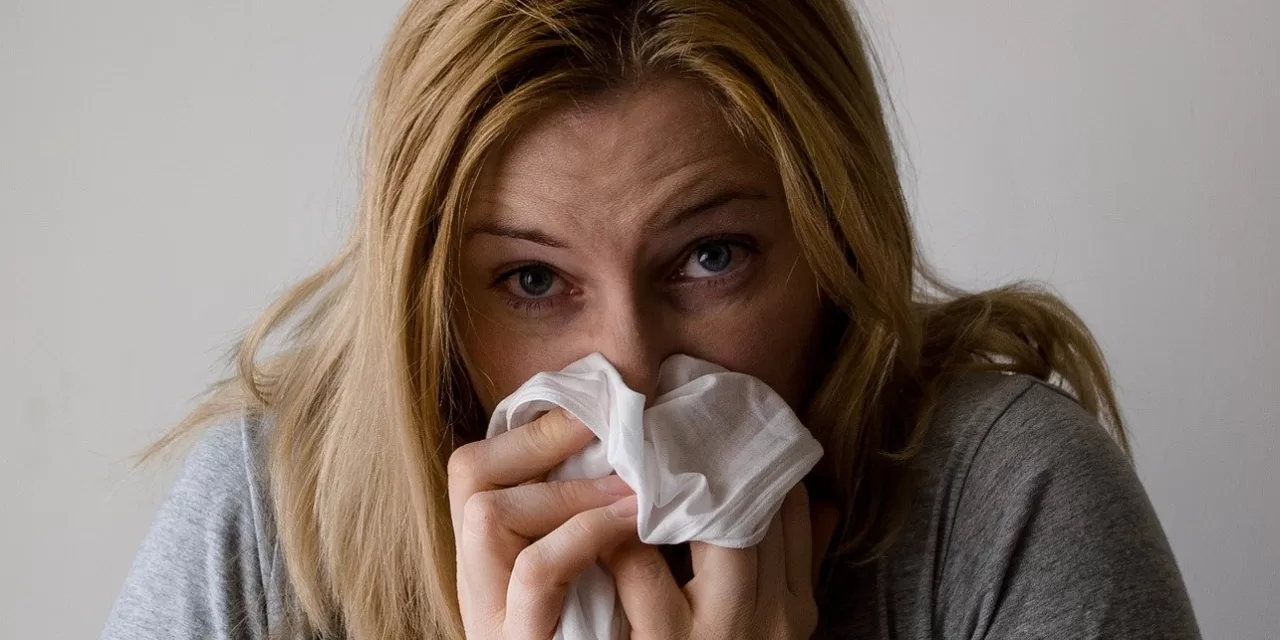
Frontline physicians across the city report that outpatient departments (OPDs) are managing an influx of patients presenting with acute respiratory symptoms. The clinical manifestations predominantly include high-grade fever, persistent cough, sore throat, severe myalgia (muscle pain), headache, and profound fatigue.
According to internal medicine specialists at leading city hospitals, diagnostic testing reveals that Influenza A strains—specifically H1N1 and H3N2—comprise the majority of these cases. Alongside influenza, a smaller but steady subset of patients is testing positive for Covid-19. Fortunately, the vast majority of these Covid-19 cases present as mild, upper respiratory tract infections that do not require supplemental oxygen or advanced inpatient monitoring.
This dual circulation of respiratory pathogens, though manageable, has substantially increased the daily load on neighborhood clinics and diagnostic laboratories. Experts note that because the symptomatic profiles of influenza and Covid-19 overlap heavily, definitive differentiation is impossible through physical examination alone, making targeted diagnostic testing vital for appropriate patient management.
The Science Behind Monsoon Transmission
The timing of this surge is entirely consistent with historical epidemiological data for the Indian subcontinent. Data from the Ministry of Health and Family Welfare and the National Centre for Disease Control (NCDC) indicate that India typically experiences two distinct peaks of influenza activity annually: a primary winter peak between January and March, and a secondary peak during or immediately following the monsoon season, spanning July through October.
Public health dynamics explain why respiratory viruses thrive during the rainy season:
-
Behavioral Shifts: Heavy rainfall prompts individuals to spend extended periods indoors, dramatically increasing crowding in residential, commercial, and transit settings.
-
Reduced Ventilation: To keep out rainwater, windows and doors are frequently kept tightly closed, reducing natural air exchange and allowing aerosolized viral particles to stagnate in indoor air.
-
Physical Stability of Viruses: Droplet transmission is optimized in enclosed, high-density environments. When an infected individual coughs or sneezes, respiratory droplets easily cross short distances to find new hosts or contaminate high-touch communal surfaces.
Symptoms to Watch and the Danger of Self-Medication
The clinical overlap between the seasonal flu and Covid-19 presents a diagnostic challenge for households. While both conditions cause fever and cough, Covid-19 can sometimes be distinguished by a profound loss of taste or smell (anosmia/ageusia) and, in progressing cases, shortness of breath.
Independent medical experts warn against the widespread practice of assuming every monsoon fever is simply a passing “seasonal cold.” Dr. Sunita Rao, an independent infectious disease consultant based in Karnataka (who is not directly involved in the municipal surveillance tracking), urges caution regarding self-diagnosis.
“We frequently see patients who delay seeking medical care because they assume their symptoms are benign,” Dr. Rao notes. “Worse, many resort to self-medicating with leftover antibiotics. Antibiotics are completely ineffective against viral infections like influenza and Covid-19. Misusing them does nothing to resolve the illness and actively accelerates the public health crisis of antimicrobial resistance.”
Testing remains highly recommended for individuals exhibiting significant or worsening symptoms, those with known exposure to confirmed cases, and anyone belonging to a high-risk category.
Public Health Implications: Protecting the Vulnerable
For the general, healthy adult population, a bout of seasonal influenza or mild Covid-19 typically resolves within seven to ten days with symptomatic treatment, rest, and adequate hydration. However, the primary public health concern centers on the risk of secondary transmission to vulnerable individuals.
The World Health Organization (WHO) and the Centers for Disease Control and Prevention (CDC) maintain that influenza and Covid-19 pose severe risks to specific demographics:
| High-Risk Group | Potential Complications |
| Older Adults (65+) | Higher rates of secondary bacterial pneumonia and cardiovascular stress. |
| Pregnant Individuals | Increased risk of severe respiratory distress and adverse birth outcomes. |
| Young Children (<5) | Dehydration, febrile seizures, and severe croup or bronchiolitis. |
| Immunocompromised & Chronically Ill | Exacerbation of underlying conditions (e.g., asthma, COPD, diabetes). |
Even when the community-wide wave is classified as “mild,” high transmission rates lead to significant societal impacts, including increased absenteeism across schools and workplaces, and a heavy burden on primary healthcare infrastructure. The principal objective of community mitigation is preventing healthy individuals from inadvertently bringing these respiratory pathogens home to high-risk family members.
A Layered Strategy for Prevention
To navigate the monsoon surge safely, health agencies recommend a multi-layered prevention strategy. No single intervention is completely airtight, but combining simple habits drastically reduces the risk of infection.
-
Prioritize Immunization: Annual influenza vaccination remains one of the most effective tools for preventing severe flu outcomes and hospitalization. Similarly, eligible individuals should ensure they are up to date with recommended Covid-19 vaccine doses.
-
Optimize Hand Hygiene: Frequent washing with soap and water for at least 20 seconds, or using an alcohol-based hand sanitizer, neutralizes viruses picked up from contaminated surfaces.
-
Practice Respiratory Etiquette: Always cover coughs and sneezes with a disposable tissue or the inside of the elbow.
-
Enhance Indoor Airflow: Whenever weather permits, open windows to improve cross-ventilation, reducing the concentration of airborne viral particles.
-
Mask Up in Crowded Spaces: Wearing a well-fitted mask (such as a high-filtration surgical mask or N95) in poorly ventilated indoor environments or crowded public transport provides a robust physical barrier against droplets.
-
Stay Home When Symptomatic: Isolating oneself at the first sign of fever or respiratory distress is a critical civic measure to halt transmission chains.
Perspective and Context: Caution, Not Panic
Public health officials emphasize that current media reports should be interpreted as a routine seasonal health alert rather than a citywide emergency. While local clinics are undeniably busier, data indicates there has been no corresponding surge in critical care hospitalizations or intensive care unit (ICU) admissions.
Infectious disease tracking data inherently fluctuates based on local testing patterns and how quickly people seek medical care. The current scenario in Bengaluru serves as a reminder to practice sensible hygiene measures. By adopting a cautious, informed approach and avoiding self-medication, residents can protect their households and ensure that hospital resources remain available for those who need them most.
References
-
Bengaluru Sees Spike in Influenza and COVID-19 Cases. Times Now. Published July 5, 2026.
Medical Disclaimer: This article is for informational purposes only and should not be considered medical advice. Always consult with qualified healthcare professionals before making any health-related decisions or changes to your treatment plan. The information presented here is based on current research and expert opinions, which may evolve as new evidence emerges.