 0
0
 0
0
DHAKA, Bangladesh — Bangladesh is currently grappling with its most severe and deadly measles outbreak in nearly two decades. Since the crisis was officially recorded on March 15, 2026, the highly contagious viral disease has claimed the lives of 585 children and resulted in the hospitalization of over 71,000 others across the nation. Despite the rapid mobilization of an emergency nationwide vaccination campaign targeting millions of children, public health infrastructure remains severely strained, and health authorities warn that the virus continues to spread aggressively through vulnerable communities.
Crisis Deepens After Eid Al-Adha Travel Surge
The timing of the outbreak has compounded the containment challenge. Health officials are bracing for a sharp spike in infections following recent Eid Al-Adha homecoming celebrations. During the festival, millions of Bangladeshis traveled from densely populated urban centers to their ancestral hometowns, frequently utilizing crowded public transportation systems without adequate infection-control measures.
Because the incubation period for measles—the time between initial exposure to the virus and the first appearance of symptoms—is typically 10 to 14 days, medical workers expect to see the full epidemiological impact of this massive migration within the coming weeks.
“The outbreak does not appear to be slowing,” warned Dr. Ariful Bashar, a physician at the Mohakhali Contagious Disease Hospital in Dhaka. “There is currently no sign of a downtrend in the measles infection rate across the country.”
Why This Outbreak Is So Transmissible
Measles is one of the most transmissible viral infections known to medicine. To contextualize its severity, Dr. Bashar noted that measles is roughly six times more contagious than COVID-19. According to data from the World Health Organization (WHO), measles carries a basic reproduction number ($R_0$) of 12 to 18. This means that in an entirely susceptible, unvaccinated population, a single infected individual will, on average, transmit the virus to 12 to 18 other people.
To successfully disrupt transmission chains and achieve herd immunity—the point at which a community is sufficiently protected to halt the sustained spread of a disease—approximately 95% of the population must be fully immune. Achieving this threshold requires a rigorous two-dose immunization schedule. While a single dose of the measles vaccine provides roughly 90% immunity, it remains insufficient to control an active community outbreak. Data from the Johns Hopkins Bloomberg School of Public Health indicates that a complete two-dose regimen is 97% effective at preventing measles infection for life.
Root Causes: Political Turmoil and Systemic Disruption
The current public health emergency is primarily rooted in severe disruptions to Bangladesh’s routine immunization infrastructure over the past two years. Following widespread, student-led political protests in 2024 that resulted in the ousting of the previous administration, routine childhood vaccination campaigns were heavily interrupted. A subsequent caretaker Cabinet failed to execute a critical supplementary mass vaccination campaign that had been scheduled to reinforce population immunity.
Prior to these systemic disruptions, Bangladesh was widely considered a regional model for successful vaccine coverage. The country was actively on track to achieve official measles elimination status by the end of 2026, consistently maintaining a first-dose coverage rate exceeding 95%. However, a combination of lingering healthcare disruptions from the COVID-19 pandemic and acute, nationwide vaccine supply shortages in 2024 left millions of children unprotected, creating a large “immunity gap” in recent birth cohorts.
The first cases of the current outbreak were initially detected in January 2026 within the highly congested Rohingya refugee camps in Cox’s Bazar. Driven by high population density, the virus rapidly spilled over into the broader population. It has since expanded to 58 out of Bangladesh’s 64 administrative districts, spanning all eight national divisions.
Tracking the Human Toll
The statistical reality of the outbreak underscores its disproportionate impact on the youngest demographics. According to data consolidated from the WHO and the Directorate General of Health Services (DGHS) of Bangladesh, younger pediatric populations face the highest risk.
| Epidemiological Metric | Current Figure / Status |
| Reported Deaths (Pediatric) | 585 children |
| Hospitalized Cases | 71,000 cases |
| Suspected Cases (as of mid-April) | 19,161 cases |
| Laboratory-Confirmed Cases (mid-April) | 2,897 cases |
| Observed Case Fatality Rate (CFR) | 0.9% – 1.2% |
| Proportion of Cases under Age 5 | 79% |
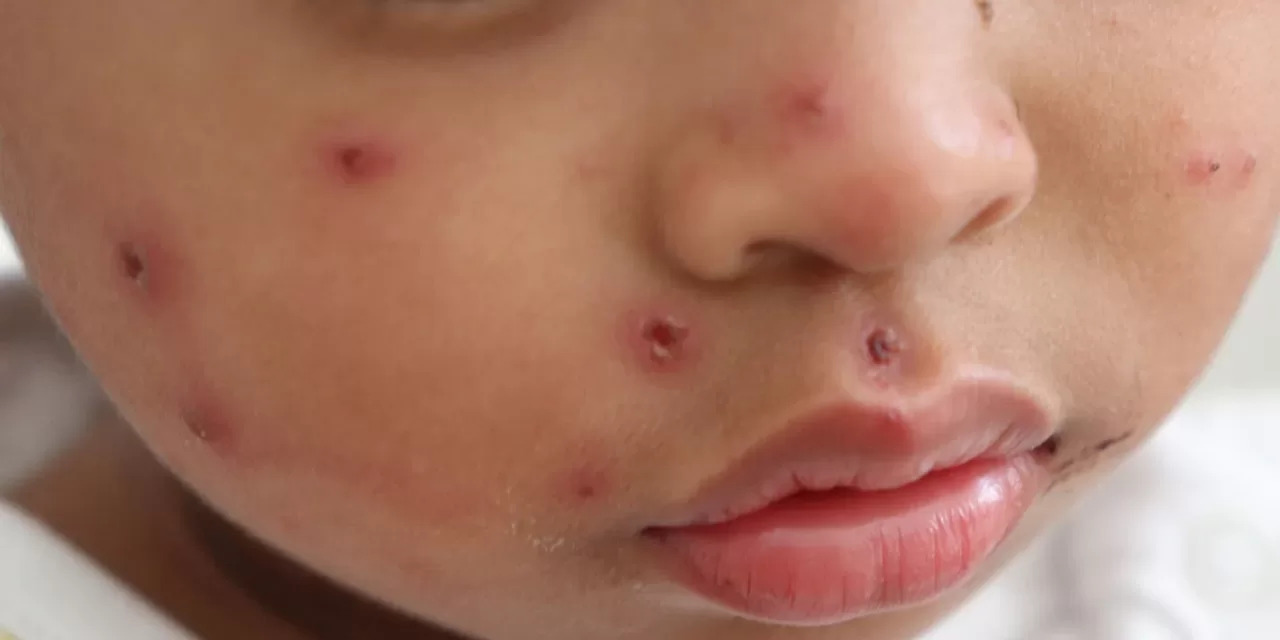
Approximately 80% of all recorded cases have occurred in children under the age of five, with the highest vulnerability concentrated among infants under nine months old (who are generally too young for the standard routine vaccine schedule) and toddlers under two. To illustrate the magnitude of this surge: in the entire year of 2025, Bangladesh recorded a total of just 125 measles cases nationwide.
Pediatric Hospitals at the Breaking Point
Inpatient medical facilities throughout the country are operating well beyond baseline capacity. Intensive care units (ICUs) and specialized isolation wards have remained entirely full for weeks, forcing physicians to triage care.
Dr. Mirza Ziaul Islam, director of the Bangladesh Shishu Hospital and Institute—a premier pediatric medical center in Dhaka—expressed profound concern over the logistical constraints of managing the surge during a major holiday.
“During the Eid travel period, it was logistically impossible to keep infected patients completely isolated from non-measles patients in transit and overcrowded triage areas,” Dr. Islam stated. “This has prompted valid fears that the number of new cases will remain elevated in the coming days.”
The influx of patients is heavily driven by secondary complications associated with the virus. According to clinical data from the European Centre for Disease Prevention and Control (ECDC), measles frequently causes:
-
Otitis Media (Middle Ear Infections): Occurring in 7% to 9% of cases, which can lead to permanent hearing loss.
-
Diarrhea: Occurring in roughly 8% of cases, contributing to acute dehydration.
-
Pneumonia: Occurring in 1% to 6% of cases. Notably, pneumonia is the single most common cause of measles-associated mortality in young children, accounting for approximately six out of ten deaths.
-
Encephalitis (Acute Brain Inflammation): Occurring in approximately 1 out of every 1,000 to 2,000 cases. Encephalitis can trigger severe convulsions and cause long-term neurological damage, including intellectual disabilities.
Emergency Vaccination Response Underway
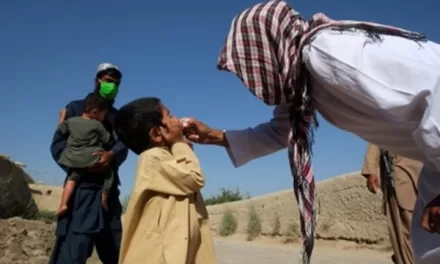
In response to the escalating crisis, the government, in coordination with the WHO and UNICEF, initiated an emergency measles-rubella (MR) vaccination campaign. The intervention launched in high-risk hotspots on April 5, 2026, and expanded into a nationwide campaign on April 20, with the goal of inoculating 20 million children.
To protect the most vulnerable infants, public health authorities temporarily lowered the minimum eligible age for vaccination from the standard 9 months down to 6 months. By mid-April, emergency teams had successfully immunized more than 1.49 million children across 30 upazilas (sub-districts) and four major city corporations.
“We have already achieved 110% of our localized vaccination target in several designated areas, and the broader campaign remains ongoing,” noted Dr. Islam. However, he urged patience regarding the timeline for clinical results. “It takes four to six weeks for a child’s immune system to develop protective antibodies after vaccination. I hope we will see the epidemiological situation begin to improve within the next two weeks.”
Despite the high operational turnover of the campaign, international experts emphasize a major limitation: the emergency drive primarily administers a single rescue dose. Without a systematic follow-up to deliver the mandatory second dose, long-term containment cannot be guaranteed.
Barriers to Containment and Public Health Lessons
Independent public health experts remain highly cautious about immediate containment. Dr. Bashar highlighted a critical operational deficit: the lack of robust epidemiological surveillance.
“We currently do not possess sufficient field staff or digital infrastructure to execute comprehensive contact tracing for confirmed measles patients,” Dr. Bashar explained. “Without aggressive contact tracing to isolate exposed individuals, halting the transmission of the most contagious virus known to science is an uphill battle.”
The WHO currently assesses the national risk level for Bangladesh as high. This designation reflects the widespread nature of the transmission across multiple geographical divisions, the substantial cohort of unprotected children born during recent periods of healthcare disruption, and ongoing vaccine supply chain constraints.
The crisis provides several clear, globally applicable lessons for public health administration:
-
Immunization Continuity is Paramount: Political instability, civil unrest, and administrative transitions can rapidly dismantle years of hard-won progress in infectious disease elimination.
-
Herd Immunity Thresholds are Unforgiving: Allowing vaccination coverage to slip even marginally below the 95% threshold exposes entire populations to explosive outbreaks.
-
Two Doses are Non-Negotiable: Single-dose strategies are useful for emergency stabilization but are insufficient for permanent disease eradication.
-
Mass Migration Multiplies Risk: Large-scale population movements during cultural or religious holidays act as regional amplifiers for highly transmissible respiratory viruses.
As the emergency vaccination campaign continues across Bangladesh, global health agencies are focused on stabilizing routine immunization networks to prevent future immunity gaps from threatening pediatric health worldwide.
Medical Disclaimer
Medical Disclaimer: This article is for informational purposes only and should not be considered medical advice. Always consult with qualified healthcare professionals before making any health-related decisions or changes to your treatment plan. The information presented here is based on current research and expert opinions, which may evolve as new evidence emerges.
References
-
Arab News. (2026, May 31). Bangladeshi doctors brace for surge in deadly measles outbreak after Eid travel. World News Daily. Retrieved from https://www.arabnews.com/node/2645651/world