 0
0
 0
0
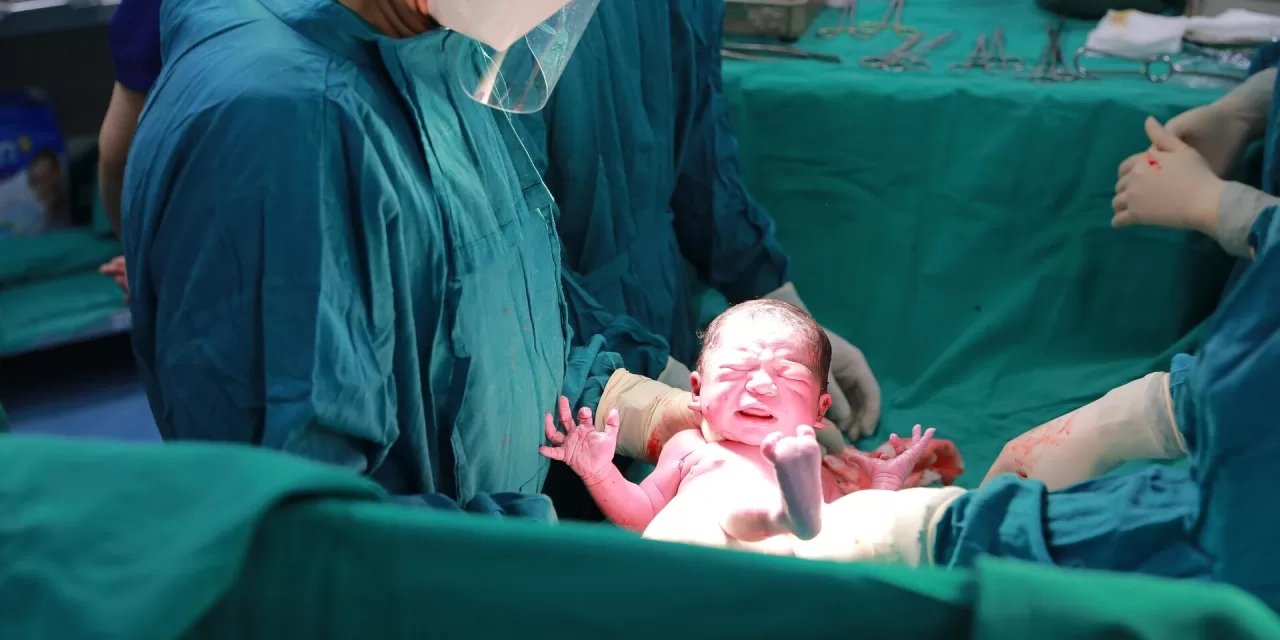
GUWAHATI, ASSAM — In a bold bid to bridge deep-seated maternal healthcare disparities, Assam Health Minister Ashok Singhal has directed state health authorities to establish functional Caesarean section (C-section) surgical services in every Assembly constituency across the state. The sweeping directive aims to eliminate dangerous geographical delays for pregnant women facing severe delivery complications by decentralizing emergency obstetric care.
While maternal health advocates welcome the effort to bring emergency surgical procedures closer to rural and remote populations, public health experts caution that scaling surgical access without robust supportive infrastructure—such as specialized workforce, blood supplies, and post-operative monitoring—presents immense clinical and operational challenges.
Decentralizing Emergency Care in a High-Risk Region
The Health Minister’s directive comes against a background of documented systemic bottlenecks in Assam’s maternal care framework. Traditionally, women in rural or flood-prone districts who experience obstetric emergencies must be transferred via long referral chains to distant tertiary hospitals or urban medical colleges. These transit delays can turn manageable complications into life-threatening crises.
By mandating C-section infrastructure across all electoral constituencies, the state intends to shorten the critical window between the onset of a delivery complication and surgical intervention.
Understanding the Clinical Window: A C-section (surgical delivery of a baby through incisions in the abdomen and uterus) is a primary emergency intervention for obstetric crises such as uterine rupture, severe fetal distress, cord prolapse, or major hemorrhage. In clinical terms, every 15-minute delay in emergency surgical access significantly increases the risk of hypoxic brain damage to the newborn or fatal maternal blood loss.
Research published in international public health journals underscores that distance and transport barriers remain primary determinants of maternal health outcomes in Assam. Studies evaluating public health facilities across the state’s 33 districts highlight significant disparities in facility readiness, medicine availability, and prompt clinical attention. In rural pockets, delays in labor care remain a persistent cause of adverse outcomes.
What the Global Evidence Says About C-Section Rates
To evaluate the public health impact of this policy, it is essential to look at global standards established by the World Health Organization (WHO).
The WHO does not prescribe a universal ideal C-section rate for individual hospitals or districts, acknowledging that healthcare facilities handling higher volumes of complex referrals will naturally perform more surgical deliveries. However, population-wide data reveals a clear threshold:
-
Below 10% Population Coverage: Increases in C-section access directly correlate with substantial drops in maternal and neonatal mortality.
-
Above 10% Population Coverage: Rates rising above 10–15% at a population level yield no additional reductions in mortality, while introducing potential surgical risks and unnecessary healthcare expenditures.
       Maternal & Neonatal Mortality Reduction Curve
  High Mortality  |  \
                  |   \
                  |    \  <-- Rapid survival gains (0% to 10%)
                  |     \
  Low Mortality   |      `-----------------------  <-- Plateau (> 10%)
                  +-------------------------------------
                  0%             10%            20%+
                           Population C-Section Rate
Public health epidemiologists emphasize that the goal of decentralization must not be to raise the overall volume of surgical births, but rather to ensure that the women who clinically require a C-section can receive one safely and without delay.
The Operational Equation: Access vs. Facility Readiness
While expanding physical access to operating theaters is a critical first step, experts stress that a C-section cannot be viewed as a standalone procedure. Safe surgical delivery requires an integrated healthcare ecosystem.
+------------------------------------------------------------------+
|                    SAFE C-SECTION ECOSYSTEM                      |
+-------------------+--------------------+-------------------------+
|  HUMAN RESOURCES  |     EQUIPMENT      |   CRITICAL LOGISTICS    |
+-------------------+--------------------+-------------------------+
| • Obstetrician    | • Operating Table  | • 24/7 Blood Bank       |
| • Anesthesiologist| • Anesthesia Machine| • Infection Control    |
| • Scrub Nurses    | • Neonatal Resusc. | • Post-op Monitoring    |
| • Pediatrician    | • Sterilization    | • Emergency Transport   |
+-------------------+--------------------+-------------------------+
Without all three pillars functioning simultaneously around the clock, expanding surgical directives can create unmanaged risks. WHO guidelines warn that performing surgical deliveries in facilities without comprehensive emergency capacity or the ability to handle post-surgical complications (such as severe infection or secondary hemorrhage) can elevate risk levels for mothers and newborns.
The Broader Landscape of Patient Experience
Public health researchers note that decentralizing surgical delivery addresses only one component of maternal health. Comprehensive maternal care also encompasses basic sanitation, dignified patient treatment, and reliable ante-natal screening.
A 2022 study on women’s experiences in Assam’s public maternity facilities revealed that patient trust relies heavily on core facility quality—including hygiene, prompt clinical monitoring, adequate staffing, and respectful treatment during labor. Expanding surgical access must therefore occur alongside state-wide efforts to improve general ward conditions, maintain cleanliness, and ensure essential medicine supplies across primary healthcare centers.
Practical Takeaways for Families and Health Systems
For healthcare consumers and policy planners, the decentralization directive brings several essential considerations to light:
For Expectant Families
-
A Medical Necessity, Not a Choice of Convenience: A C-section is a major abdominal surgery. While life-saving during complications, it carries inherent surgical risks, longer recovery periods, and implications for future pregnancies.
-
Recognizing Red Flags: Expectant mothers and families should seek immediate emergency medical care if experiencing warning signs such as severe vaginal bleeding, persistent high blood pressure or headaches, prolonged labor, intense continuous abdominal pain, or sudden decreased fetal movement.
For Health System Administrators
-
Standardized Monitoring (Robson Classification): Public health experts advocate using the WHO-recommended Robson Classification system to audit surgical deliveries. By categorizing pregnant women into 10 distinct groups based on clinical characteristics (such as gestational age, prior C-sections, and fetal position), health systems can track whether surgical interventions are being applied appropriately or overused.
Moving Forward: Implementation as the Ultimate Test
Assam’s policy direction reflects a proactive strategy to tackle geographical disparities in maternal care. However, its long-term success will depend on real-world execution.
Upgrading constituency facilities into fully operational First Referral Units (FRUs) capable of offering 24/7 emergency obstetric surgery requires sustained investment in specialist staffing, blood storage units, and medical infrastructure. If implemented with careful attention to quality and patient safety, the initiative could serve as a valuable model for expanding rural emergency care across similar geographic landscapes.
References
- https://tennews.in/assam-health-minister-orders-c-section-facility-in-every-constituency/
Medical Disclaimer: This article is for informational purposes only and should not be considered medical advice. Always consult with qualified healthcare professionals before making any health-related decisions or changes to your treatment plan. The information presented here is based on current research and expert opinions, which may evolve as new evidence emerges.