 0
0
 0
0
The recent studies indicate that increased exposure to artificial light at night (ALAN) is linked with a significantly higher risk of cardiovascular disease (CVD). Key findings from observational research show that individuals living in areas with higher levels of nighttime light exposure have an elevated risk of major cardiovascular events, including heart attacks, heart failure, stroke, and coronary artery disease.
Key Findings and Developments
The most notable study, conducted by researchers at Massachusetts General Hospital and Harvard Medical School, retrospectively analyzed health data from 466 adults scanned using Positron Emission Tomography/Computed Tomography (PET/CT) between 2005 and 2008. The brightness of artificial light exposure at participants’ residences was estimated using satellite data from the New World Atlas of Artificial Night Sky Brightness. Higher light exposure was associated with increased stress-related brain activity and inflammation in arteries. Statistically, a one standard deviation increase in night light exposure correlated with a 35% increased risk of major cardiovascular events over five years and a 22% increase over ten years, even after adjusting for traditional risk factors such as air pollution, noise, socioeconomic status, and medical history.
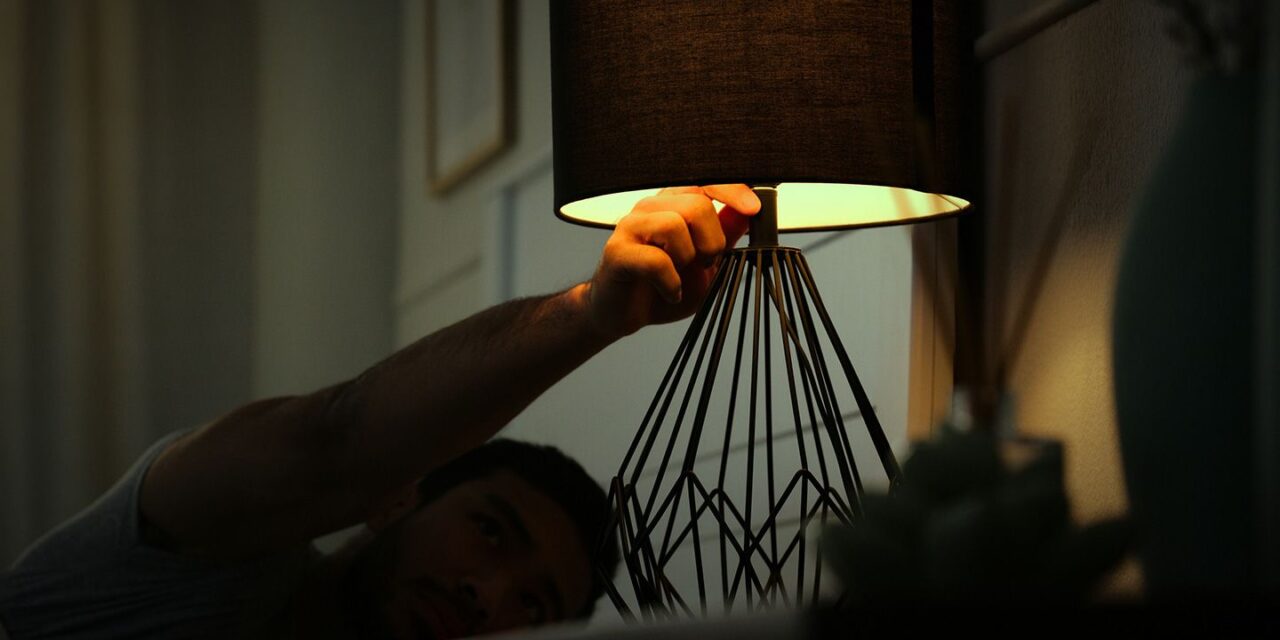
Another large-scale study led by Flinders University, published in JAMA Network Open, reinforced these findings with a cohort of nearly 89,000 adults in the UK tracked over nine years. Nighttime light exposure was measured by wrist sensors, which recorded over 13 million hours of light exposure. This study reported a 56% higher risk of heart failure, 47% higher risk of heart attack, 32% higher risk of coronary artery disease, and a 28% higher risk of stroke in participants exposed to the brightest nighttime light conditions, such as sleeping with overhead bedroom lights on. These associations persisted even after controlling for lifestyle factors like physical activity, smoking, diet, and shift work.
Expert Perspectives
Dr. Shady Abohashem, the senior author of the Massachusetts General Hospital study, stated, “Our study is the first to link outdoor light pollution to an active biological pathway that may contribute to cardiovascular disease.” He highlighted that artificial light disrupts circadian rhythms, activates stress centers in the brain, and triggers arterial inflammation, a combination known to elevate heart disease risk.
Daniel Windred, Research Associate at Flinders University and lead author of the UK study, added, “This is the first large-scale study to show that simply being exposed to light at night is a strong and independent risk factor for heart disease.” He emphasized the importance of reducing artificial light exposure to protect cardiovascular health, particularly in adults over 40 years old.
Dr. Maria Fernandez-Mendoza, a professor of psychiatry and neuroscience not involved in the studies, explained the biological plausibility: “Excessive exposure to artificial light at night can harm your health by increasing stress responses in the brain, which in turn may cause inflammatory processes harmful to blood vessels and the heart.”
Context and Background
Humans have evolved with a natural circadian rhythm regulated by the natural light-dark cycle, which orchestrates sleep, hormonal secretions, immune function, and cardiovascular regulation. Artificial light at night, common in urban environments, interrupts these rhythms by suppressing melatonin production and increasing sympathetic nervous system activation. Chronic disruption of these pathways is associated with adverse health outcomes including hypertension, diabetes, mental health disorders, and now, growing evidence links it to cardiovascular diseases.
Public Health Implications
These findings underscore the importance of considering light pollution as a modifiable environmental risk factor for heart disease. Public health strategies could include promoting “dark sky” initiatives that reduce unnecessary outdoor lighting, encouraging screen time reduction at night, and enhancing awareness about the cardiovascular risks linked to nighttime light exposure.
For individuals, practical steps include:
-
Minimizing use of electronic devices with bright screens close to bedtime.
-
Using blackout curtains to block external streetlights.
-
Opting for dim red or amber lighting if nighttime light is necessary (which is less disruptive to circadian rhythms).
-
Encouraging regular sleep hygiene practices to maintain healthy circadian regulation.
Limitations and Counterarguments
While these studies are compelling, they are observational and thus cannot definitively prove causation. Confounding factors inherent to urban living, such as noise pollution and socioeconomic stress, might contribute to cardiovascular risk alongside light pollution. Additionally, participant samples in some studies were not fully diverse, limiting generalizability. More research, including controlled interventional studies, is necessary to firmly establish causality and understand the mechanisms involved.
Conclusion
Emerging evidence highlights artificial light exposure at night as a significant environmental risk factor for cardiovascular disease through biological pathways involving brain stress responses and arterial inflammation. Reducing nighttime light exposure may be a simple yet effective strategy to lower heart disease risk, complementing traditional measures such as diet, exercise, and smoking cessation.
Medical Disclaimer
This article is for informational purposes only and should not be considered medical advice. Always consult with qualified healthcare professionals before making any health-related decisions or changes to your treatment plan. The information presented here is based on current research and expert opinions, which may evolve as new evidence emerges.
References
- https://newsroom.heart.org/news/exposure-to-more-artificial-light-at-night-may-raise-heart-disease-risk
- https://www.medscape.com/viewarticle/artificial-light-night-may-raise-cvd-risk-2025a1000uz6