 0
0
 0
0
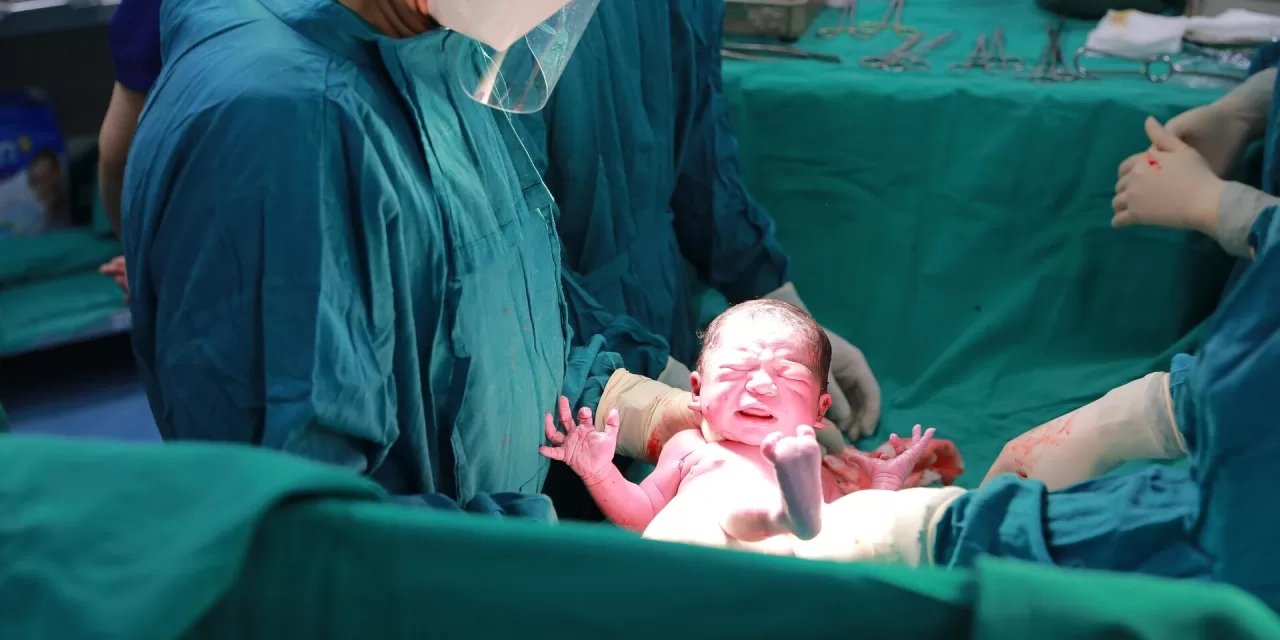
VIJAYAWADA — In a decisive move to address the “over-medicalization” of childbirth, Andhra Pradesh Chief Minister N. Chandrababu Naidu has ordered mandatory audits for all hospitals reporting Caesarean section (C-section) rates exceeding 20%. The directive, issued on April 1, 2026, during a high-level review of the Sanjeevani health project, signals an aggressive state-led effort to curb unnecessary surgeries and prioritize natural births across both public and private healthcare sectors.
The order comes as new data reveals a staggering rise in surgical deliveries within the state, prompting concerns from public health experts and government officials alike regarding maternal safety and the financial exploitation of families.
A Growing Epidemic of Surgery
According to the latest state health figures for 2024-25, Andhra Pradesh’s C-section rate has soared to 56.12%. This represents a significant jump from the 42.4% recorded during the National Family Health Survey-5 (NFHS-5) conducted between 2019 and 2021.
The figures are particularly jarring when compared to international benchmarks. The World Health Organization (WHO) maintains that the ideal rate for C-sections is between 10% and 15%. When rates rise above 10%, the WHO suggests there is no evidence that mortality rates improve; conversely, when rates approach the levels seen in Andhra Pradesh, the risks associated with the procedure may begin to outweigh the benefits.
The disparity between the public and private sectors is a focal point of the new audit policy:
-
Private Hospitals: 67.71% C-section rate
-
Government Facilities: 41.40% C-section rate
“We are issuing a stern warning to private hospitals,” stated Health Minister Satya Kumar Yadav. “If a natural delivery is viable, performing a surgical intervention without medical justification is unacceptable. Our inspections have already found that over 25% of audited cases lacked a valid medical reason.”
The Medical Necessity vs. The “Convenience” Trend
While C-sections are life-saving interventions when complications—such as fetal distress, breech presentation, or placenta previa—arise, health experts warn that elective use for non-medical reasons is a dangerous trend.
“A C-section is major abdominal surgery,” explains Dr. Kris E. Barnsfather, an OB/GYN specialist. “While we have made the procedure very safe, it still carries significantly higher risks of infection, heavy bleeding, and blood clots compared to vaginal delivery. For the mother, the recovery period is weeks rather than days.”
Beyond the immediate surgical risks, unnecessary C-sections can complicate future pregnancies. Conditions such as placenta accreta (where the placenta grows too deeply into the uterine wall) and uterine rupture are more common in women who have had previous surgical births. For newborns, babies delivered via elective C-section may face higher rates of respiratory distress, as they miss out on the hormonal shifts and physical compression of the birth canal that help clear fluid from the lungs.
Financial Incentives and “Auspicious” Timing
The audit follows a troubling report involving the Dr. NTR Vaidya Seva Trust, which found that 4.2% of state health funds were diverted to “unnecessary” C-sections. In 2023-24, 104 private hospitals were flagged for maintaining a 100% C-section rate, an statistical impossibility in standard obstetric care.
Independent studies, including research from IIT Madras, suggest that the “non-poor” demographic often prefers private facilities where elective surgeries are more common. Reasons cited by practitioners include:
-
Scheduling Convenience: Managed births allow for better hospital staffing and resource allocation.
-
Cultural Preferences: Requests for “auspicious” birth times (Muhurtham).
-
Fear of Labor: A lack of pain-management options or prenatal education regarding the safety of vaginal birth.
-
Training Gaps: A declining proficiency among junior doctors in managing complex vaginal deliveries.
The Sanjeevani Project: A Multi-Pillar Strategy
The audit mandate is part of a broader “Five-Pillar” Health Management Policy (Maternity, Strength, Skill, Welfare, and Sanjeevani). The Chief Minister announced that the Sanjeevani Project, which creates digital health profiles and provides mobile screening units, will be expanded statewide by July 2026.
By integrating C-section audits into this digital framework, the government intends to use the Robson Classification System—a global standard for assessing and comparing C-section rates—to identify exactly which groups of women are undergoing surgery and why.
Public Health Implications and Patient Autonomy
For the general public, this crackdown is intended to empower women to make evidence-based choices. While the government is tightening the reins on hospitals, the initiative also includes the launch of ‘Swarna Andhra Population Management’ camps to boost awareness about the benefits of natural birth, such as immediate skin-to-skin contact and easier initiation of breastfeeding.
However, the policy is not without its detractors. Some healthcare advocates worry that rigid 20% thresholds could inadvertently pressure doctors to avoid necessary surgeries in high-risk cases to keep their statistics low.
“The goal should not be a ‘one-size-fits-all’ percentage, but rather ensuring that every surgery performed is medically indicated,” says an independent health consultant. “We must balance the crackdown on malpractice with the protection of clinical judgment in emergencies.”
Looking Ahead
The Andhra Pradesh government’s move sets a potential precedent for other Indian states, such as Telangana and Kerala, which also grapple with high intervention rates. As the audits begin this month, the focus will remain on whether transparency and the threat of legal action can successfully shift the culture of childbirth back toward a “safety-first, surgery-second” mentality.
Patients are encouraged to discuss birth plans early with their providers and ask for the specific medical indications if a C-section is proposed.
Medical Disclaimer: This article is for informational purposes only and should not be considered medical advice. Always consult with qualified healthcare professionals before making any health-related decisions or changes to your treatment plan. The information presented here is based on current research and expert opinions, which may evolve as new evidence emerges.
References
- https://medicaldialogues.in/news/health/hospital-diagnostics/cm-naidu-orders-audit-of-hospitals-reporting-over-20-percent-c-sections-167754